
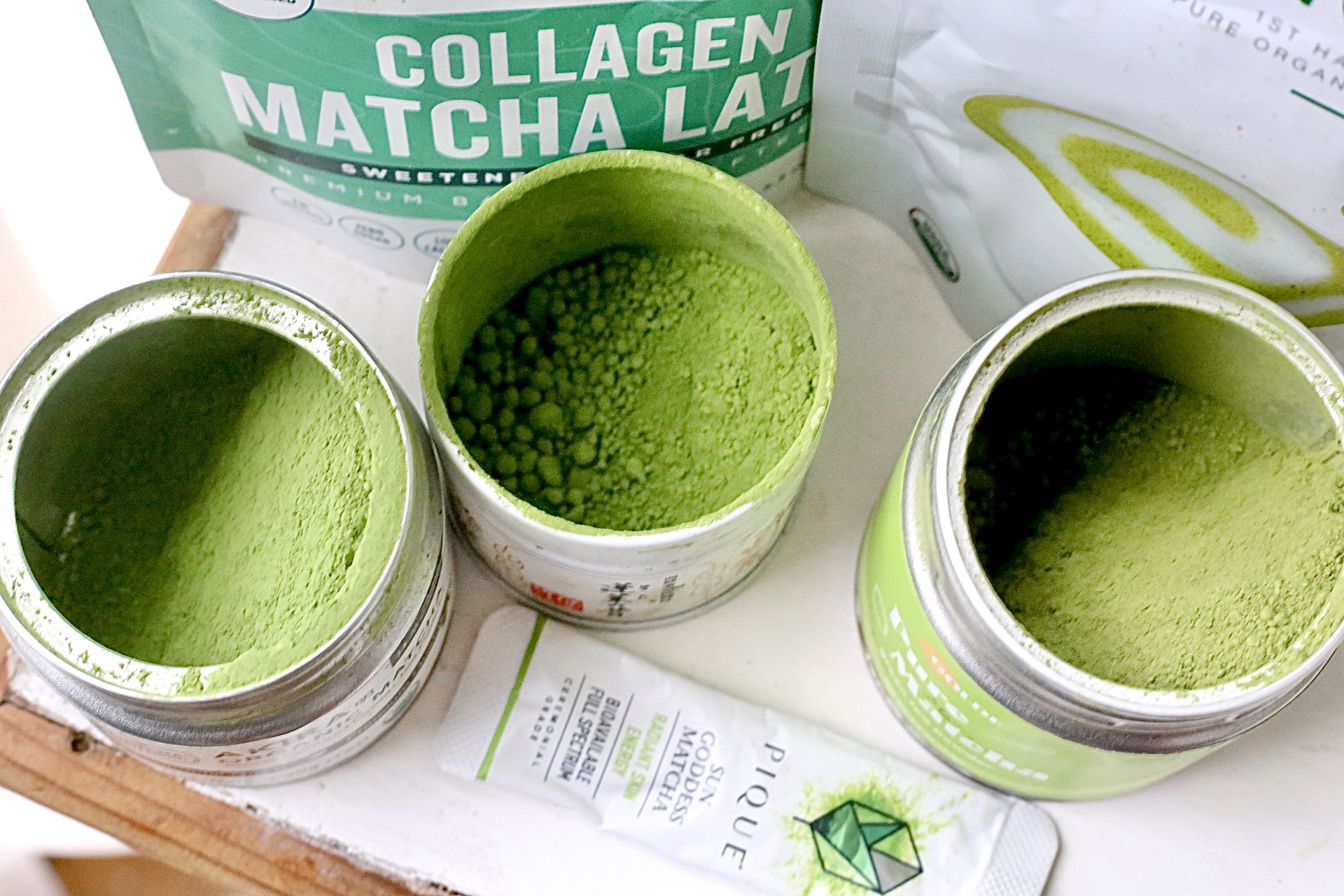
I’ve tried SO many matcha brands and today I’m sharing the best ones. Just call me Organic Matcha Lover 😂. The best matcha is organic, stone milled, first harvest, vividly green and has a smooth, umami-rich flavor with no bitterness.
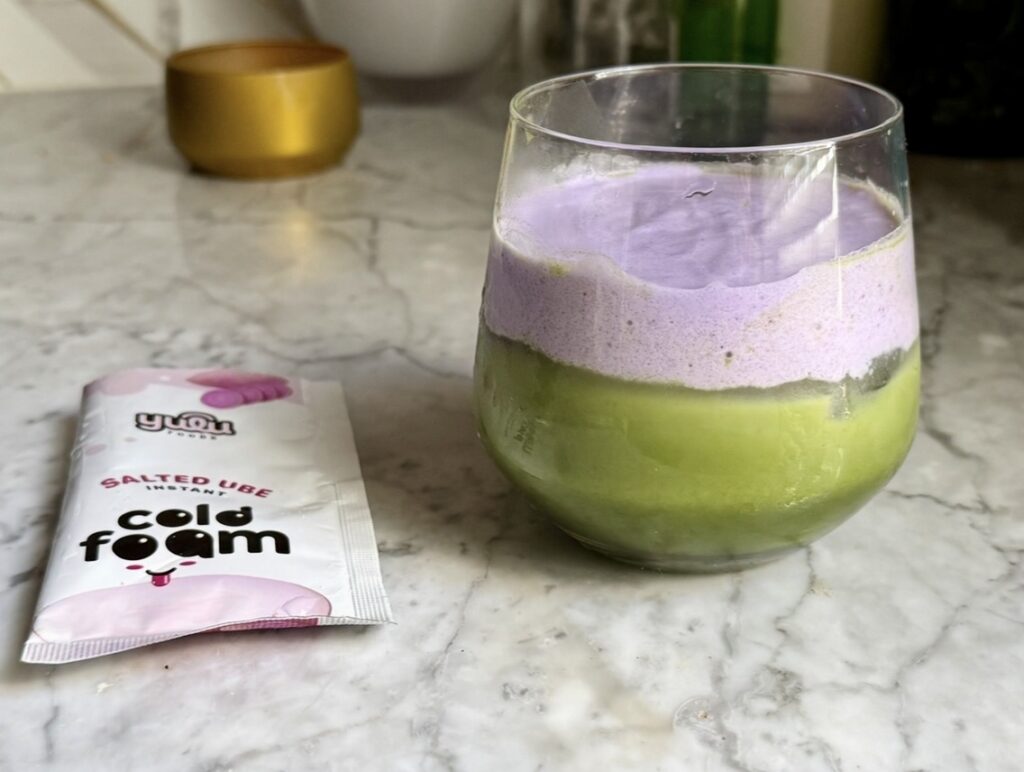
As a matcha lover since 2016, I feel like this is my wheelhouse. If you’re new to matcha, I hate to admit it, but it’s either going to taste like heaven or photosynthesis to you.
I’m also sharing the certifications to consider when picking the right matcha, how to spot high quality ones and the way I like to make mine.
One thing to note is the bet organic matcha from Japan are often sold out, so the mass produced options that are always available is sometimes the only practical option.
Your Matcha Certification Guide
Know Before You Buy
How to Spot High-Quality Matcha
Grades of Organic Matcha
- Ceremonial Grade: Best for traditional drinking with hot water only, as it has a delicate, smooth, umami-rich flavor with minimal bitterness. Has a vibrant green color, extremely fine texture, and produced from the youngest, tenderest, first-harvest leaves.
- Latte Grade / Premium Grade: Specifically designed for matcha lattes or premium smoothies. It balances cost and quality, offering a strong enough flavor to shine through milk. Usually blend of first and second harvest leaves, presenting a vibrant green, though slightly less bright than pure ceremonial.
- Culinary Grade / Ingredient Grade: Best for culinary recipes, including baking, ice cream, and cooking, due to its stronger, slightly more bitter, and pungent flavor profile. Harvested later (summer/autumn), resulting in a more intense, less fine powder that is generally darker or more yellow-green.
A Little Ritual
How to Make Matcha
My Favorite Way to Drink Matcha
I Tried Ippodo Tea
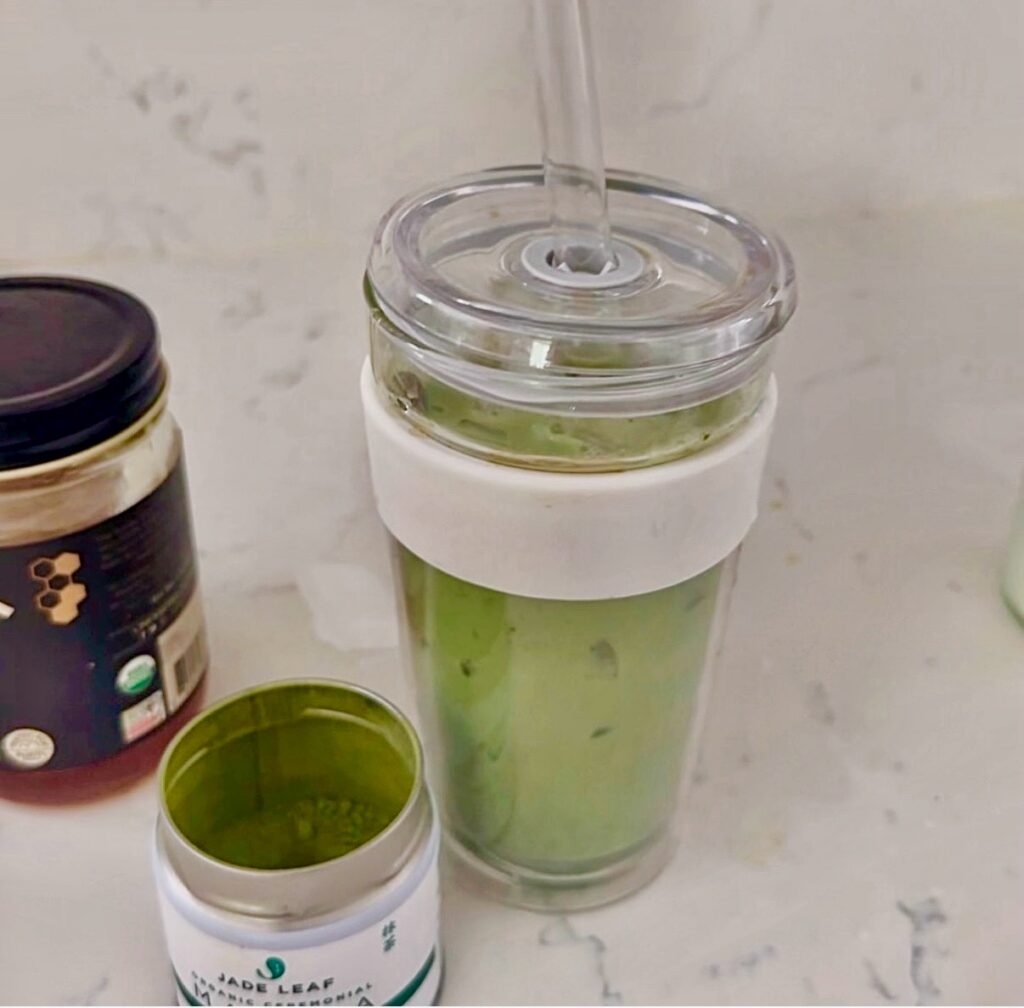
Ippodo Tea is the a tried-and-true authentic OG Japanese matcha brand in the matcha world and one of the first brands from Japan I ever tried. They’ve operated out of Kyoto since 1717 and their organic matcha has a balanced, medium-bodied flavor. I love the mellow umami up front and light, clean bitterness at the back of the sip. It works for both thin (usucha) and thick (koicha) preparations. I love adding a splash of milk and honey to turn it into a latte and even adding it on top of my organic coffee for a mixed drink.
Shop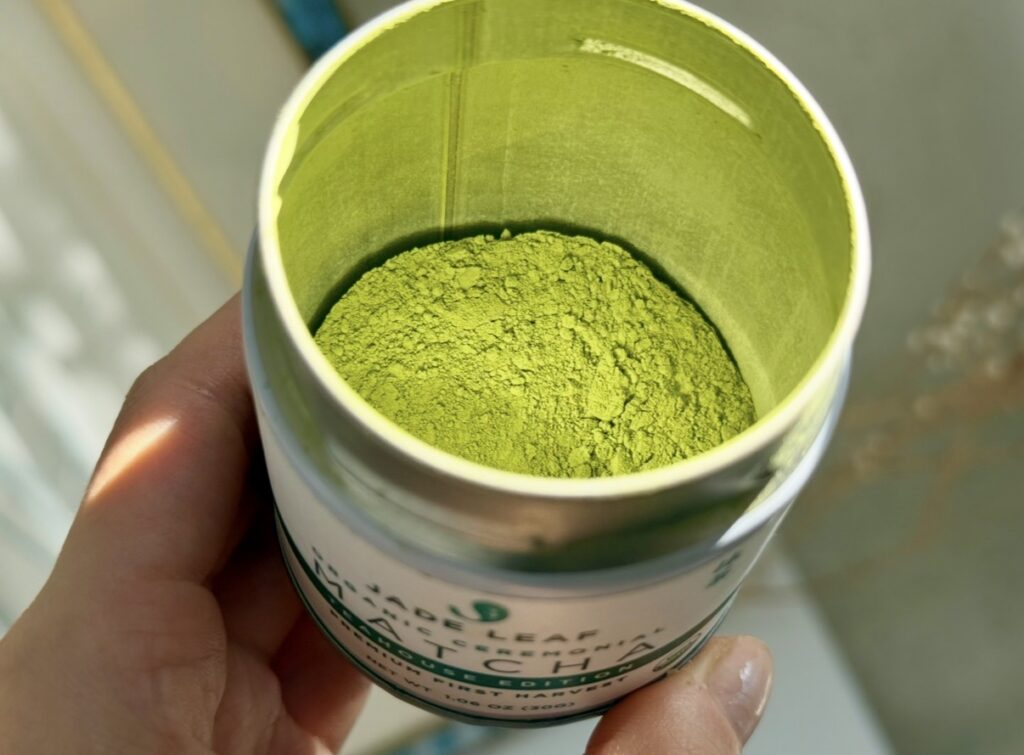
I Tried Jade Leaf Organic Ceremonial Matcha
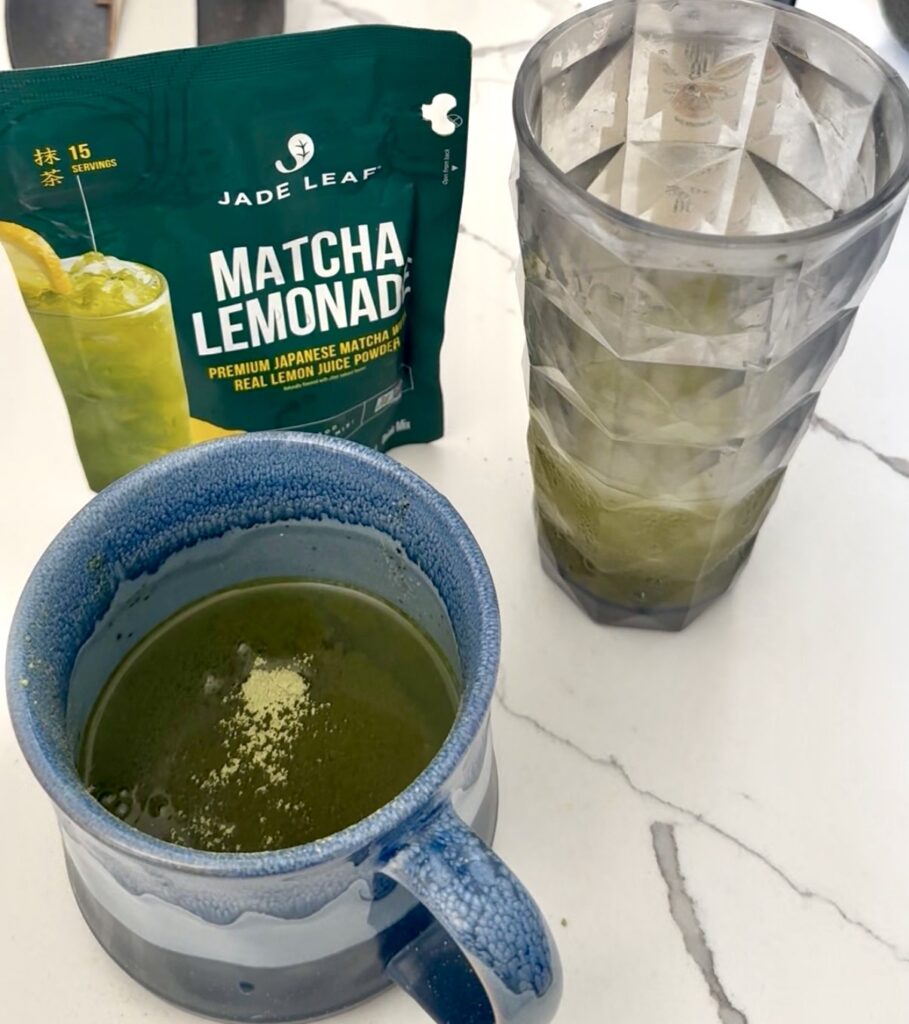
Jade Leaf Organic Ceremonial Matcha is USDA Organic certified and is my favorite affordable “fun” matcha brand that’s approachable, affordable and accessible. This is a good beginner starting point if you’re new to matcha since the pricing is reasonable and the taste is mild. They’ve got the widest variety of organic, ceremonial matcha, hojicha as well as flavored matcha mixes. I love the refreshing tartness of their matcha lemonade and creamy fruitiness of the strawberry latte. No tools needed!
Shop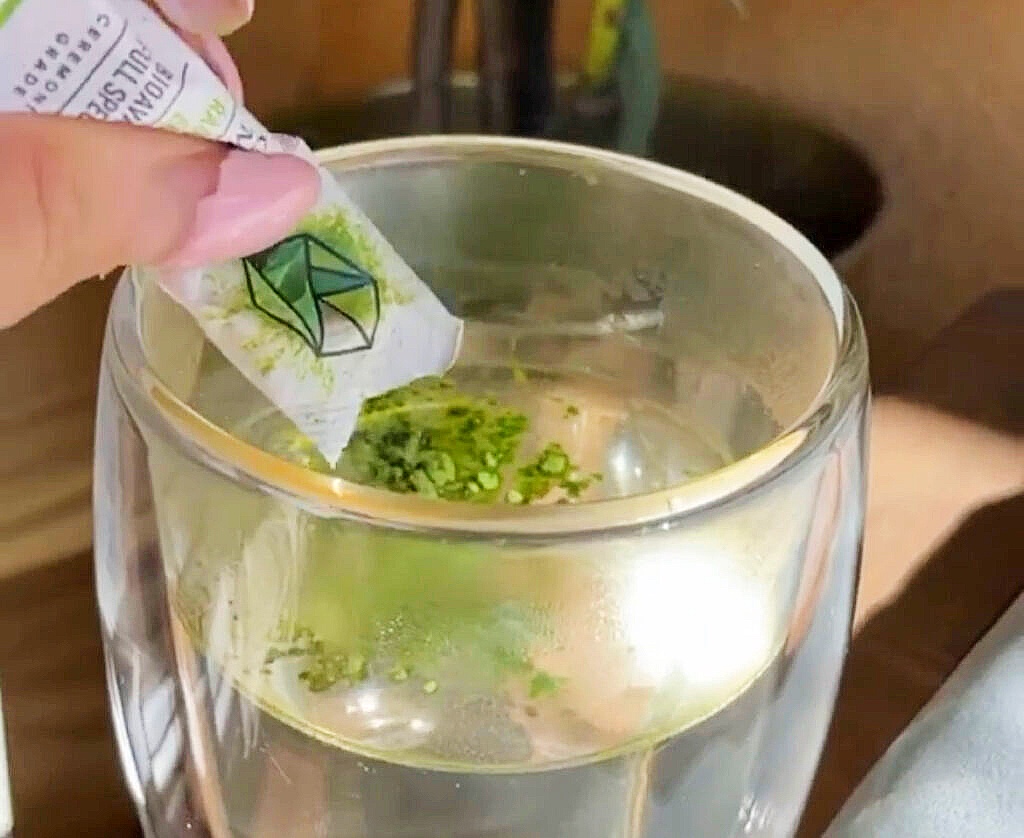
I Tried Pique Tea Sun Goddess Matcha
Pique Tea’s Sun Goddess Matcha is grown in Kagoshima in southern Japan and carries full USDA Organic certification. It’s ceremonial grade, made from the youngest, shade-grown tea leaves and stone-ground for a smooth, low-bitterness cup. I find the flavor is creamy and vegetal with a rounded umami sweetness. It comes in resealable tins and individual packets that are great for travel.
ShopI Tried Encha First Harvest
Encha First Harvest is dual-certified under both USDA Organic and Japan’s JAS Organic standard, meaning it passed inspection under both countries’ organic requirements rather than just one. I appreciate that they document single-farm sourcing and publish their lab testing results. Encha’s matcha is grown in Uji, Kyoto, the most prestigious matcha-growing region in Japan, and made from the first flush harvest picked in late April or early May. That early harvest gives it a naturally sweet, grassy-sweet taste with a clean, mellow finish and very little bitterness. Overall, great value for money and decent taste!
Shop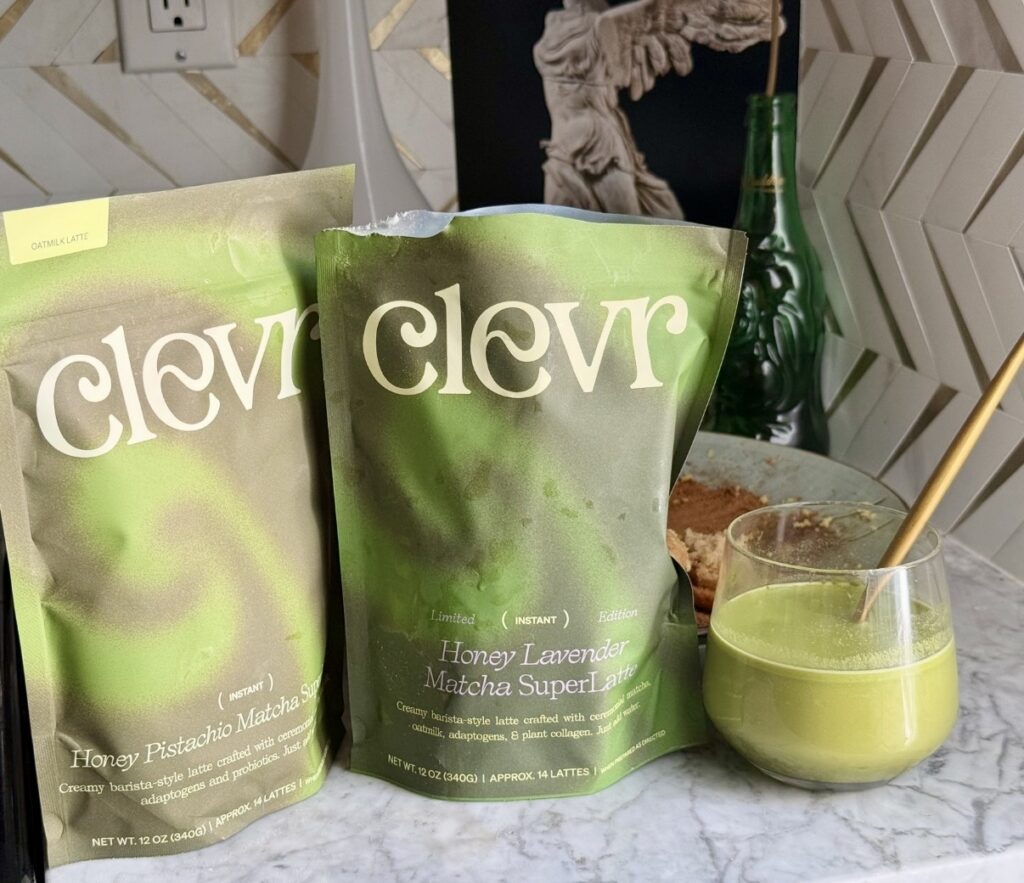
I tried Clevr Blends Honey Pistachio Matcha SuperLatte
Clevr Blends is the best tasting matcha latte mix with no milk required that I’ve tried. If you’ve got no time, their Matcha SuperLatte is an instant matcha latte mix that turns into a functional oat milk matcha latte. No whisking or milk required. I honestly find it so creamy I don’t even need to add a splash of milk. I used to drink Ryze Mushroom Matcha and this is leaps and bounds better in flavor with zero bitterness.
It’s made with organic, shade grown, ceremonial grade matcha, organic oat milk powder and coconut milk powder, sweetened with a monk fruit blend rather than sugar, and it’s stacked with adaptogens like organic ashwagandha, lion’s mane, and reishi extract, along with a probiotic strain (Bacillus coagulans). It’s plant-based and gluten-free, and works for both hot and iced. The lavender blend tastes elevated and the pistachio has a nice nuttiness. Sold in tins or individual sachets for at-home or on-the-go use. I’ve tried a lot of pre-blended matcha lattes and this tastes incredible!
Ingredients: Organic Gluten Free Oatmilk Powder, Monk Fruit Blend* (Erythritol, Monk Fruit Extract), Organic Coconut Cream Powder, Organic Matcha, Organic Ashwagandha Extract, Organic Lion’s Mane Extract, Organic Reishi Extract, Himalayan Pink Salt, Organic Tremella Extract, Sodium Hyaluronate (Edible Hyaluronic Acid), Honey Distillate, Tocopherols*, Natural Flavor, Pistachio Extract, Green Tea Extract*
ShopOther Organic Matcha Brands
- Rishi Tea’s Barista Matcha: This is a solid high-quality option that’s more accessible than ceremonial-grade matcha while still holding up well in milk-based drinks. It’s USDA organic certified, shade-grown for three to four weeks before harvest and meant specifically for lattes, smoothies, and recipes. This has smooth, earthy notes and minimal bitterness,.
- Chamberlain Coffee Matcha: a USDA organic, stone-ground tencha from Shizuoka. It’s a legit A-grade Japanese matcha with just the tea itself in the tin.
- Aiya: one of the largest, most established Japanese matcha producers and supplies matcha to many cafes and other tea brands. It operates its own farms and processing facilities, giving it fantastic control over quality from leaf to powder. Its organic ceremonial-grade matcha has a smooth, traditional grassy-umami flavor that’s rounded rather than sharp, with a subtle natural sweetness.
- Marukyu Koyamaen: one of the most respected matcha producers in Japan, founded in 1704 in Uji, Kyoto, and still family-run more than 320 years later. It has won Japan’s National Tea Competition 30 times and produce 11 ceremonial grades and 8 culinary grades, ranging from top-tier koicha (thick tea) options like Tenju and Kiwami Choan, known for rich, rounded sweetness, down to everyday culinary grades like Aoarashi meant for baking and lattes rather than sipping straight. If you want a benchmark for what high-quality traditional Japanese matcha tastes like, Marukyu Koyamaen is a tried and true name.
- Rocky’s Matcha: a newer, boutique-focused shop that curates very high quality matcha from established Japanese growers. They carry a house Ceremonial Blend, single-origin blends from named producers like Osada and Horii Shichimeien, and single-cultivar matchas (Okumidori, Koshun, Samidori, Narino) that let you taste one specific tea cultivar rather than a blend. Pricing runs from around $20 for 20g on the entry end up to $88 for 20g on rare single-cultivar options, which puts it solidly in premium specialty-tea territory rather than everyday-drinking price range.
Andrea is a clean beauty expert from Los Angeles, California with 10 years of experience in natural skincare and organic living. She writes for Organic Beauty Lover using her expertise to guide readers in choosing the best clean products. Andrea graduated from the University of Southern California in 2012 and has worked at multiple skincare companies, big and small. Connect with her @organicbeautylover.
JOIN OUR NEWSLETTER! No spam ever.








Leave a Reply