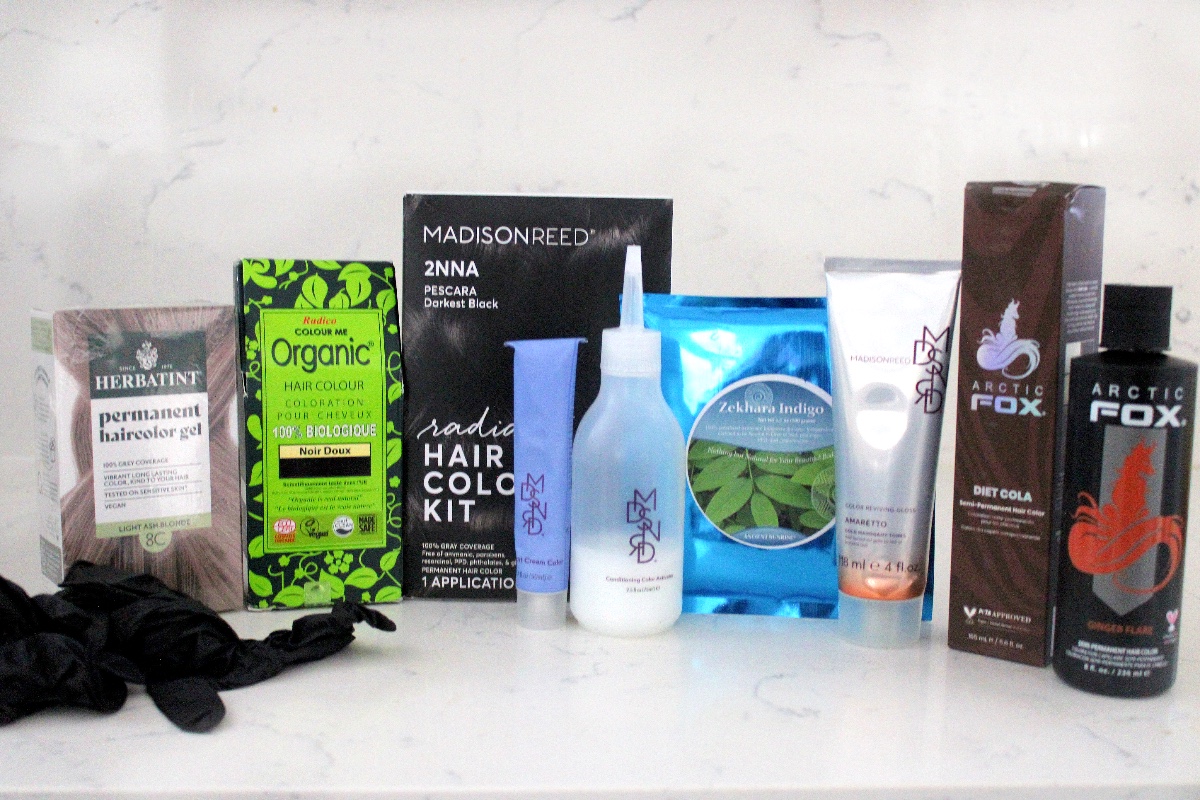
I tested a ton of non toxic hair dye over the last seven years and I’m sharing the best ones. The best non-toxic hair dye is made with organic, plant based ingredients and without harsh chemicals like ammonia, PPD, resorcinol or metallic salts.
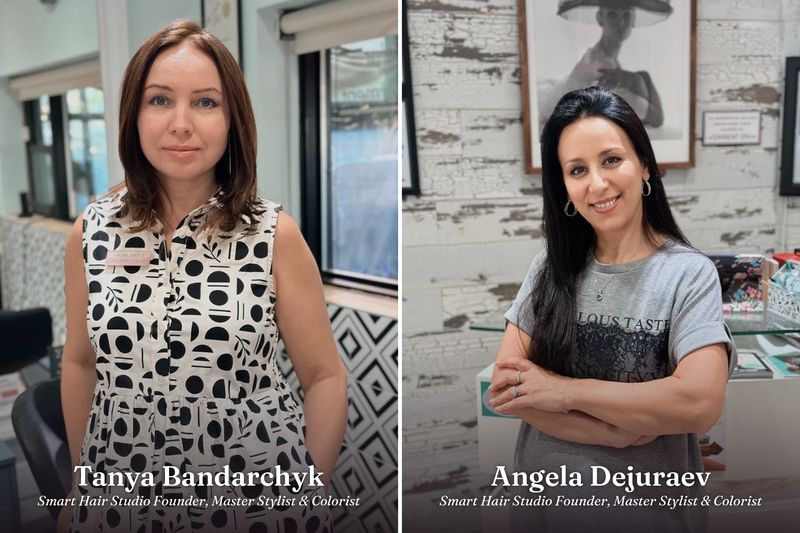
The right hair dye for you depends on whether you need gray coverage, how much shade change you want for how long, and how much you’re willing to trade convenience for a lower toxic load. Further down this post, I spoke with Tanya Bandarchyk and Angela Dejuraev, the founders of Smart Hair Studio in Brooklyn, who have spent 15 years specializing in organic, ammonia-free color, about everything from gray coverage and highlights to henna and sensitive scalps.
Toxins in Hair Dye
Conventional permanent hair dye works by opening the hair cuticle, so ingredients can penetrate the hair shaft to form larger, color-fast molecules.
- PPD (para-phenylenediamine): single most common cause of hair dye allergic reactions and can cause severe scalp reactions in sensitized individuals.
- Ammonia: opens the hair cuticle so color can penetrate but it’s a respiratory and eye irritant with strong fumes.
- Resorcinol: helps color bond and last longer but it’s flagged as a potential endocrine disruptor.
- Toluene-2,5-diamine (PTD/TDA): an alternative color-building agent to PPD but it carries a similar sensitization profile to PPD.
- Hydrogen peroxide: the oxidizer that develops color can cause scalp irritation, dryness, and hair shaft damage with repeated use.
- Formaldehyde-releasing preservatives (DMDM hydantoin, quaternium-15): slowly release small amounts of formaldehyde, a known irritant and carcinogen at higher exposure levels.
- Lead acetate: a gradual color-depositing agent mainly in older “progressive” dyes that is banned in FDA-regulated cosmetics but still turns up in some imported products.
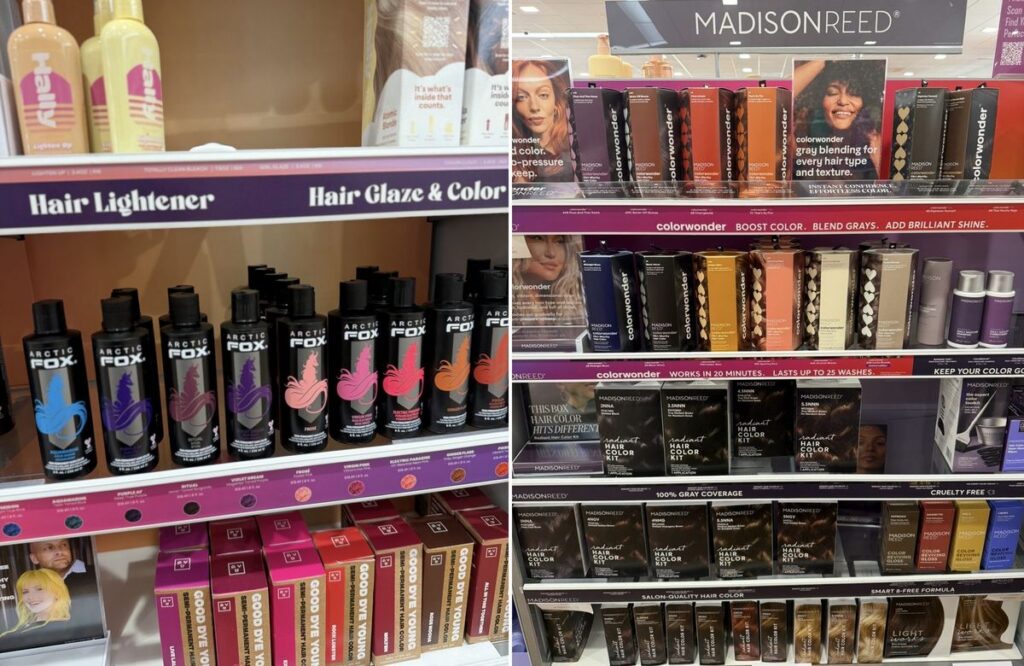
How to Pick the Right Non-Toxic Hair Dye
A formula being “PPD-free” or “ammonia-free” doesn’t automatically make it safe. The only way to know what you’re getting is to check the full ingredient list.
- Look for third-party certifications: look for USDA Organic, ECOCERT, COSMOS Organic, or NSF/ANSI 305. These have actual audited standards behind them.
- Check the ingredients list for the big five offenders: If there’s no certifications, then look for ammonia (ammonium hydroxide), PPD (p-phenylenediamine), resorcinol, toluene-2,5-diamine, and formaldehyde-releasing preservatives (DMDM hydantoin, quaternium-15, imidazolidinyl urea).
Types of Hair Dye
100% natural: Henna is the healthiest hair dye option on the market and 100% chemical free. Look for henna, indigo, amla-based powders. These use only botanical pigments, no ammonia, PPD, or peroxide. This is the only category that’s truly chemical-free, can be organic not just low tox or less toxic.
Semi-permanent: no peroxide, no ammonia and coats the hair so it washes out
Demi-permanent: lasts 4 to 8 weeks and has no ammonia, but does have some peroxide and blends gray better than semi-permanent does.
Ammonia-free, PPD-free permanent color: these swap ammonia for gentler alkalizing agents like ethanolamine and often reformulate around PPD-alternative color precursors. This is the best option if you need real gray coverage or a lighter shade change and want something healthier and less toxic.
Professional salon clean color: salon only organic hair coloring brands that are ammonia-free and PPD-free (or PPD-reduced). Since it’s applied by a trained colorist they can custom blend shades to find your ideal one and apply more precisely.
Color gloss: non-oxidative, ammonia- and peroxide-free treatment that coats the hair to refresh tone, add shine, and tone down brassiness, and usually fades quickly with a few washes. A fun way to temporarily change your hair color without any commitment.
Chemical Load Spectrum
Lowest to highest
- Pure henna — Plant-based color with no added chemicals. Watch out for “black henna” and blends, which can contain PPD or metallic salts.
- Semi-permanent and gloss — Direct dyes, with no peroxide or ammonia.
- Demi-permanent — Low-volume peroxide, with no ammonia.
- Permanent (PPD-free) — Ammonia-free, but still uses a PPD alternative.
- Permanent (PPD) — Contains ammonia, PPD, resorcinol and peroxide.
Best Hair Dye: Quick Snapshot
- Best henna: Ancient Sunrise is third party tested to be safe
- Best organic hair dye: Radico Colour Me Organic (100% certified organic)
- Best permanent hair dye: Madison Reed (premium) and Naturtint (budget)
- Best semi-permanent: Arctic Fox Semi-Permanent Hair Color
- Best hair gloss: Madison Reed Color Reviving Gloss
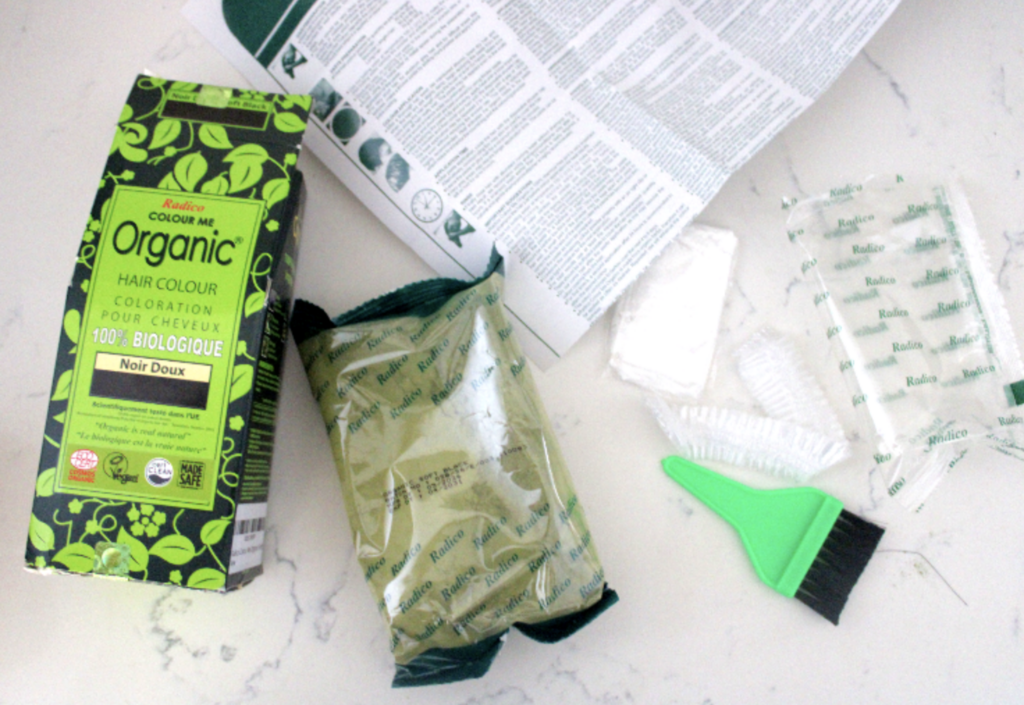
I tried Radico Organic Hair Dye
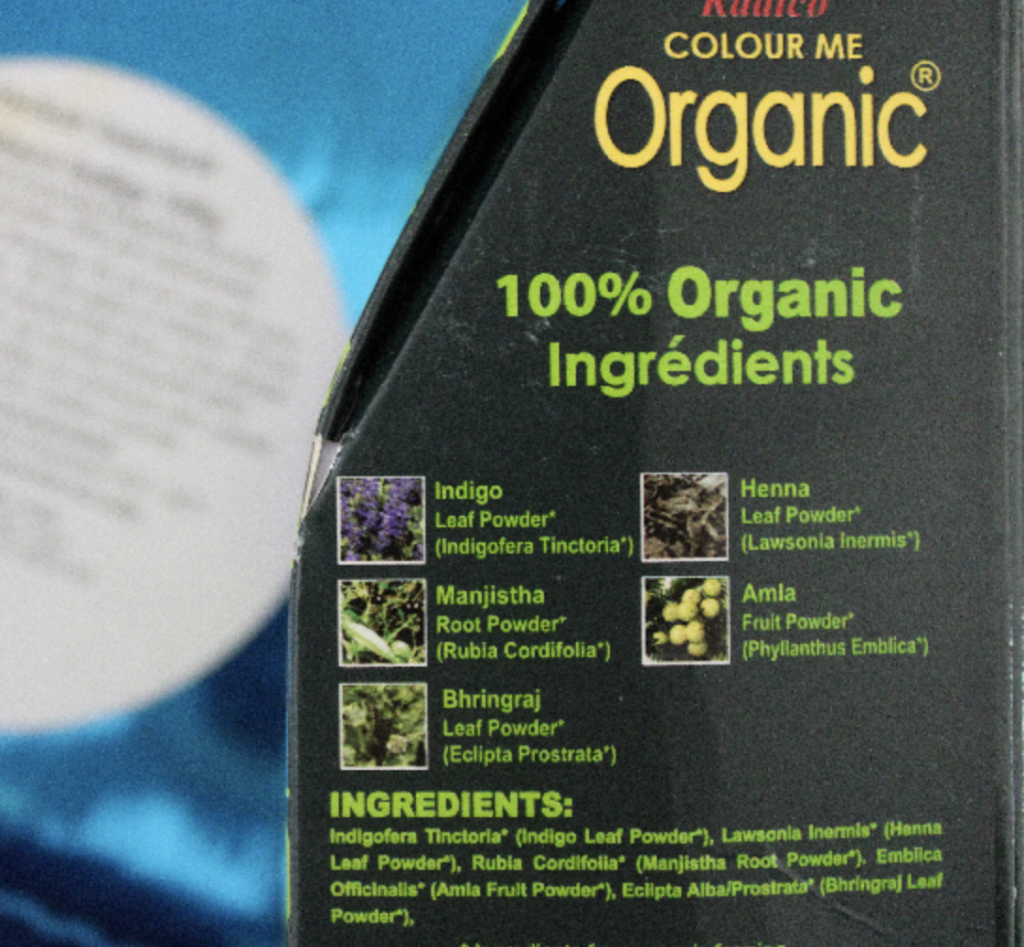
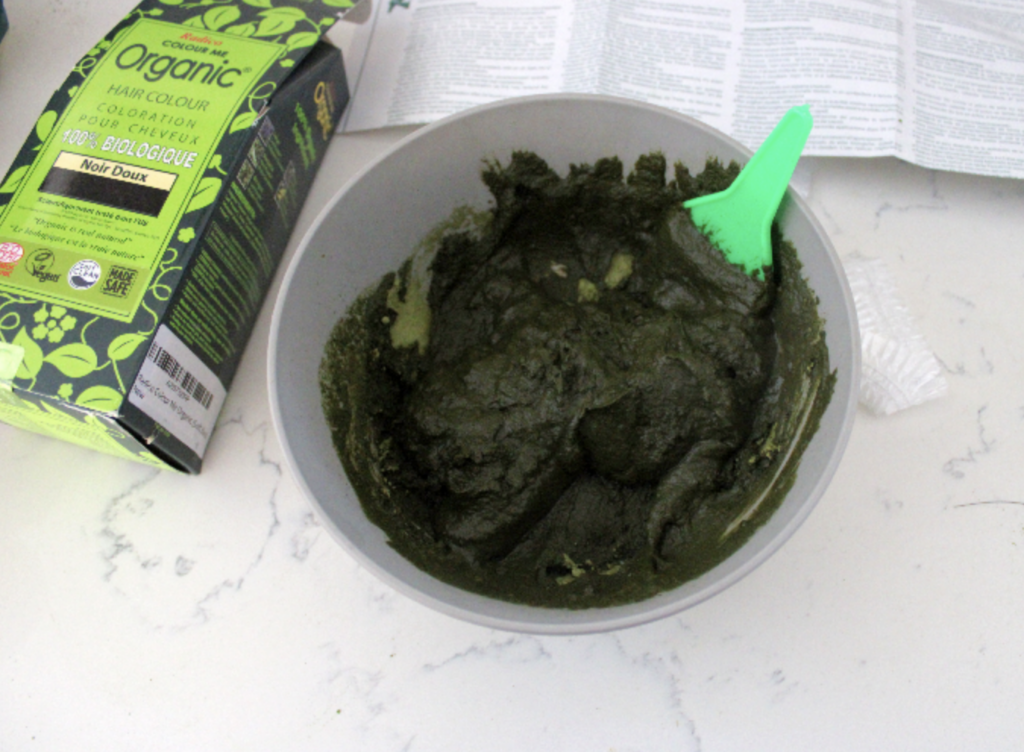
Radico Colour Me Organic is the only truly 100% non-toxic and certified organic hair dye on the market. It’s made entirely of certified organic herbs and plant powders like Ayurvedic herbs like henna, indigo, amla, and bhringraj. There’s NO ammonia, PPD, peroxide, or synthetic dyes, and it’s COSMOS Ecocert, USDA Organic, vegan, and MADE SAFE certified, which is rare for hair color. You mix the powder with hot boiling water into a paste, and the plant pigments coat your hair while conditioning it. Keep in mind it’s semi-permanent, lasts about a month and can’t lighten hair, so it works best for deepening your natural shade or covering grays, and the color takes 2 to 3 days to develop as the pigments settle. If you’re allergic to indigo, skip.
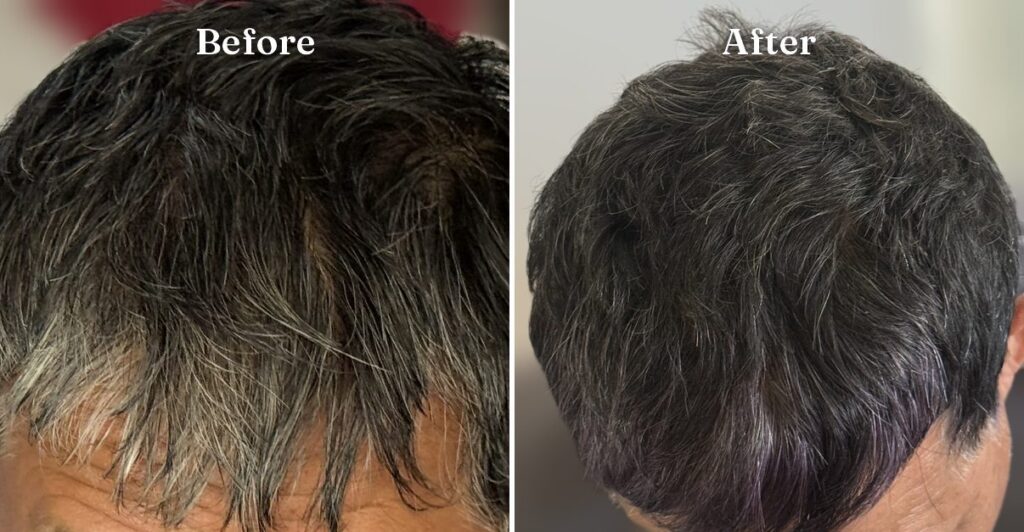
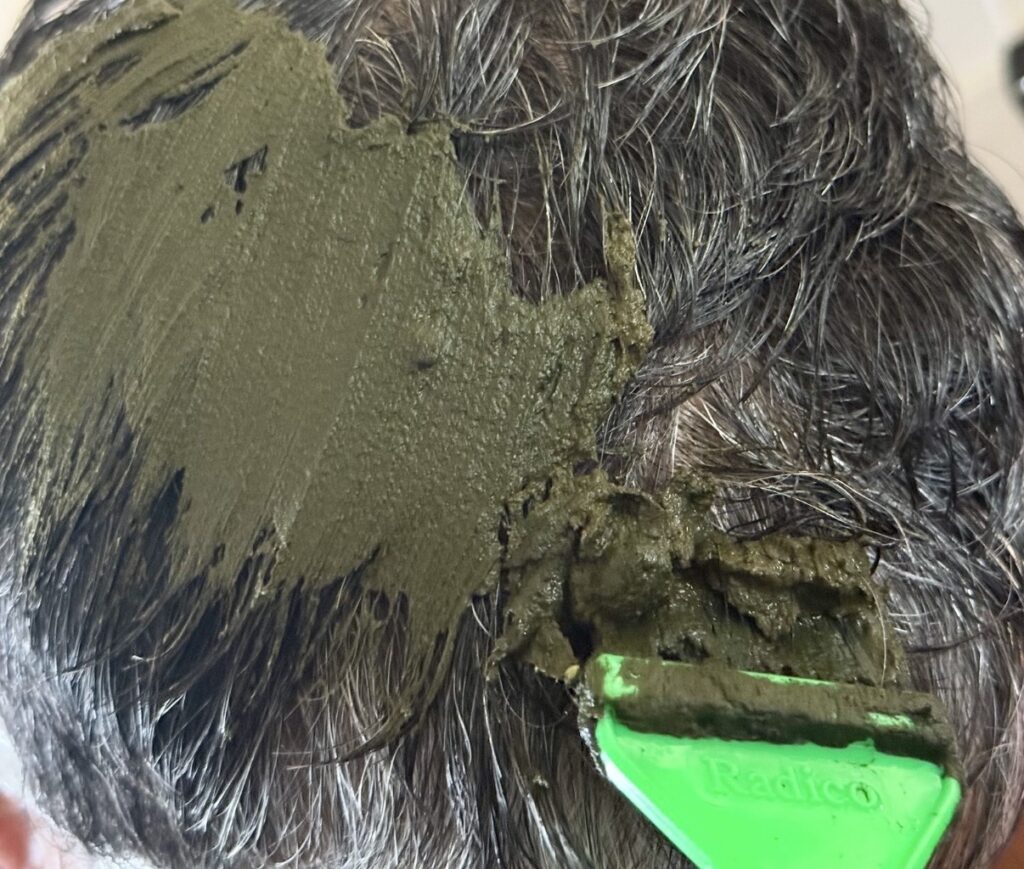
I tested the Noir color on grey and white hair and it worked on about 90% of the hair which actually made it look very natural, especially for someone in their 70s. It was so easy to mix – I just added boiling water slowly into the powder and it turned into a creamy paste and left it on for 90 minutes, longer than indicated. Henna can take a few days to fully develop its color but I didn’t notice much change honestly.
Shop Here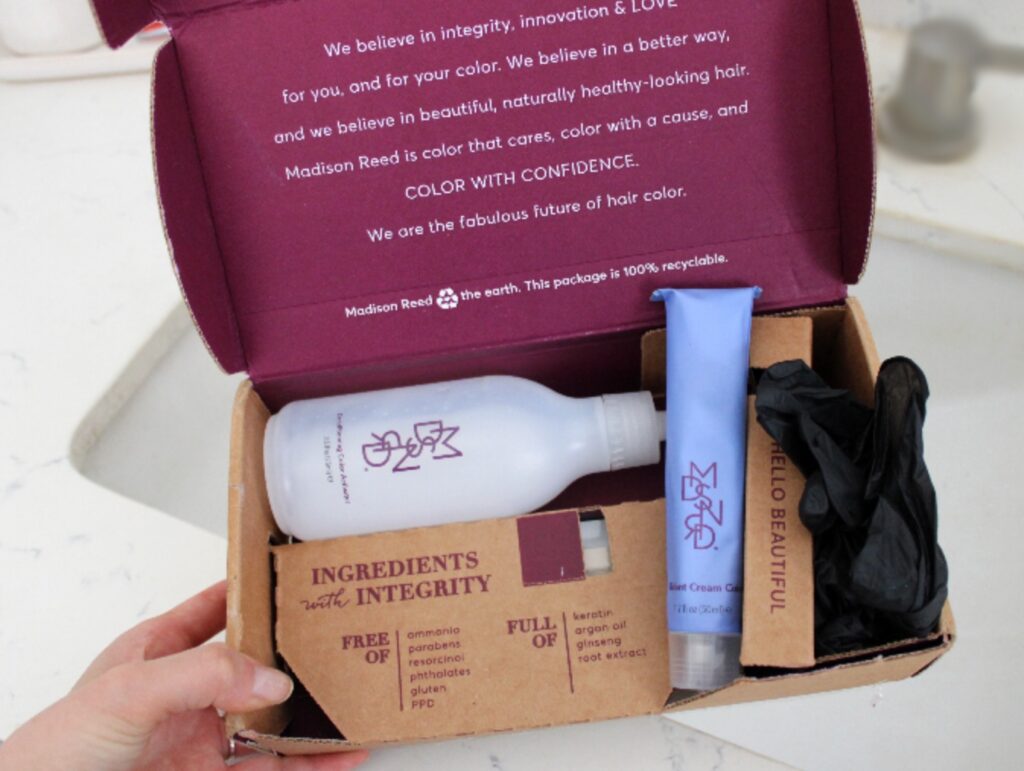
Madison Reed Permanent Hair Dye
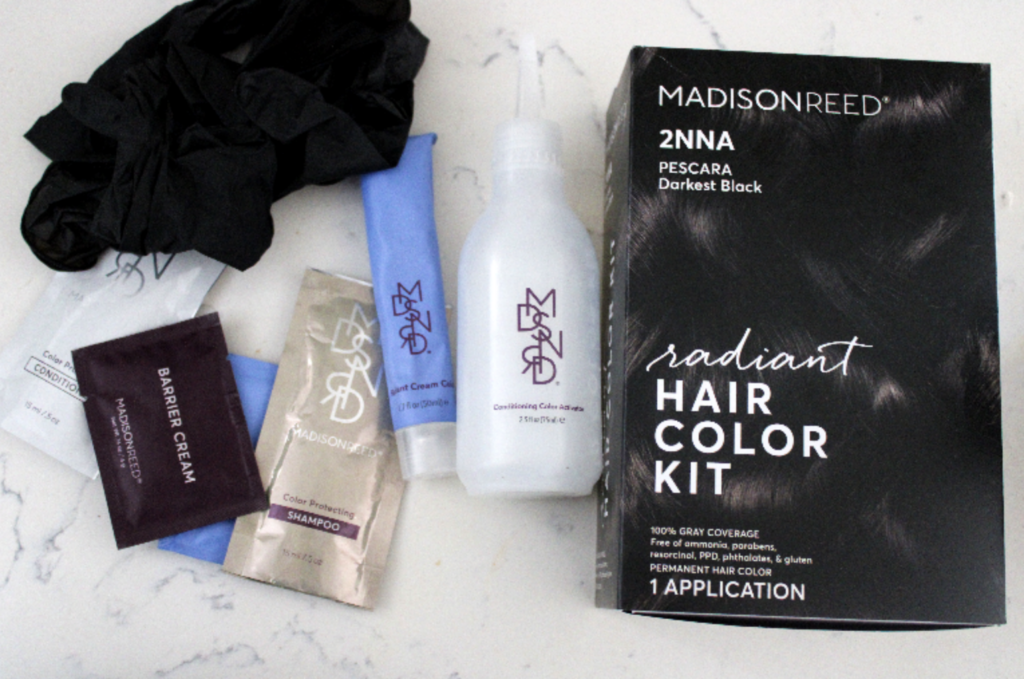
Madison Reed’s Radiant Hair Color is the best low tox permanent hair dye made with their Smart 8-Free standard — no ammonia, PPD, resorcinol, parabens, phthalates, gluten, SLS, or titanium dioxide. In place of ammonia, it uses ethanolamine to open the cuticle and in place of PPD, it uses toluene-2,5-diamine sulfate (TDS). Madison Reed is a solid pick if you need 100% gray coverage or a real shade change and want the most researched clean permanent hair color option on the market, made under the EU’s stricter cosmetic standards. The box set came with everything you need and was very easy to use. I’ve racked up quite a bit of at home hair coloring experience, but I think it would be easy for a noob as well. There is a smell but not too terrible. I experienced a lot less damage with Madison Reed’s than I have with the cheaper brands filled with harmful chemicals.
Shop Here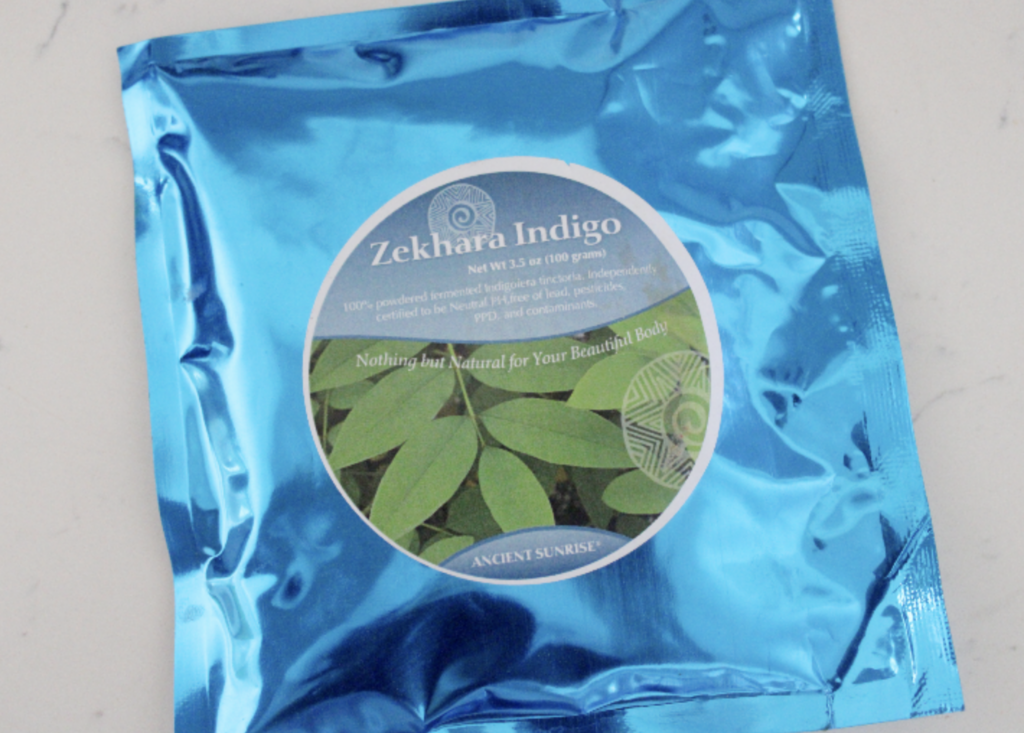
Ancient Sunrise Zekhara Indigo
Ancient Sunrise is 100% natural and made with henna, cassia, and indigo powders that’s lab tested for pesticides and heavy metals. They’re verified chemical free and with no no PPD, ammonia, or peroxide. The reason even an all natural product is tested is because metallic salts and synthetic dye additives can show up in cheaper henna products. Since the powders are unmixed, you build your own formula (henna alone for red-copper tones, henna plus indigo for browns and blacks, cassia for lighter tones), but Ancient Sunrise does offer kits.
This brand takes more effort and time to prepare than Radico, which is already pre-blended for the desired hair color effect. Here’s how to prepare henna hair dye. First, figure out how much henna you’ll need, which really comes down to your hair length. Short hair only needs about 100g, collar-length about 200g, shoulder-length around 300g, and if your hair’s down to your waist, you’ll want closer to 500g. Next, grab a non-metal bowl and mix your henna with something a little acidic, like lemon juice plus some room-temperature distilled water. Don’t use tap water, since the minerals in it can actually keep the dye from releasing properly. Then cover the bowl with plastic wrap and just let it sit at room temperature for 8 to 12 hours. I know it’s an annoyingly wait, but that’s how long the henna needs to release its natural dye, called lawsone, which is what actually colors your hair.
I tried Madison Reed Hair Gloss
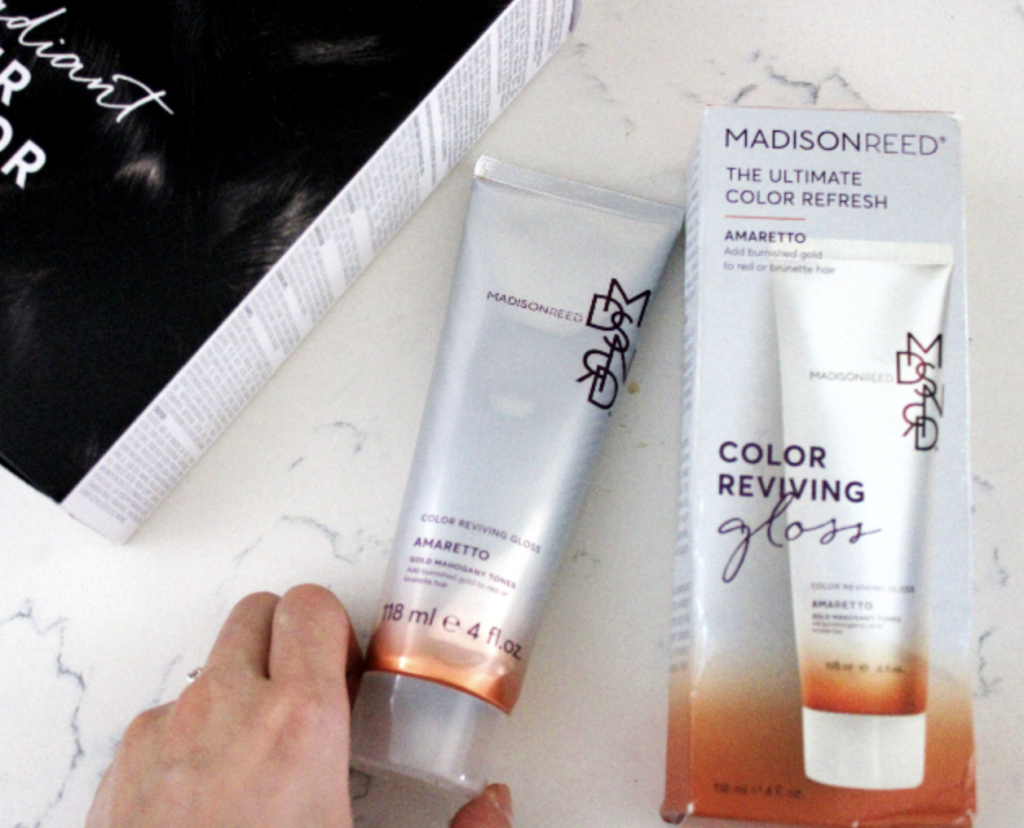
For a low tox hair gloss that adds shine and subtly changes hair color, I recommend Madison Hair Gloss. This is the most temporary hair color enhancing product. You can still get the “glass hair” effect with less toxins! Hair gloss is a separate, gentler product from permanent hair dye and is a demi-permanent, ammonia-free, peroxide-free gloss that doesn’t contain PPD or TDS at all. It coats rather than penetrates the hair shaft, so it refreshes tone and adds shine between colors rather than delivering a full color change or covering resistant gray. I’ve used hair gloss for twenty years and find them particularly useful if you’ve got brassy tones and want to neutralize orange and yellow in blonde and brunette hair or you want to add rich red tones. It’s a good less-toxic option if your main goal is maintaining vibrancy or toning down brassiness rather than changing your base color.
Shop Here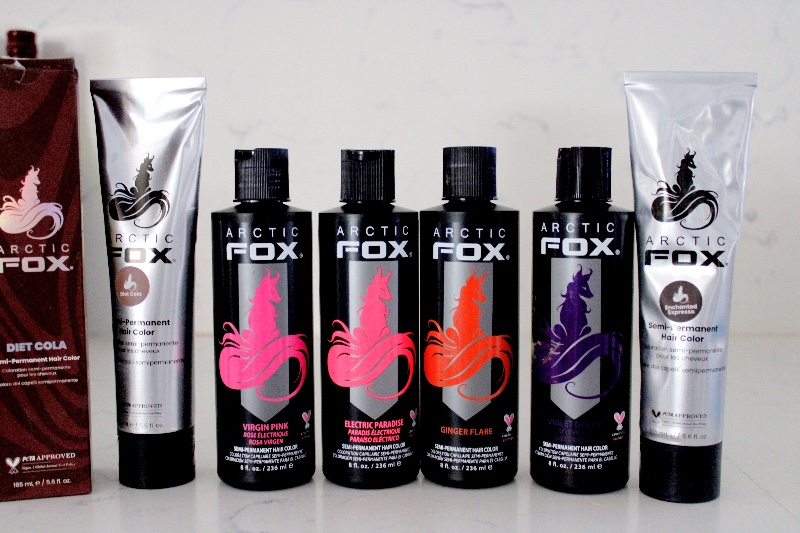
I tried Arctic Fox Semi-Permanent Hair Color
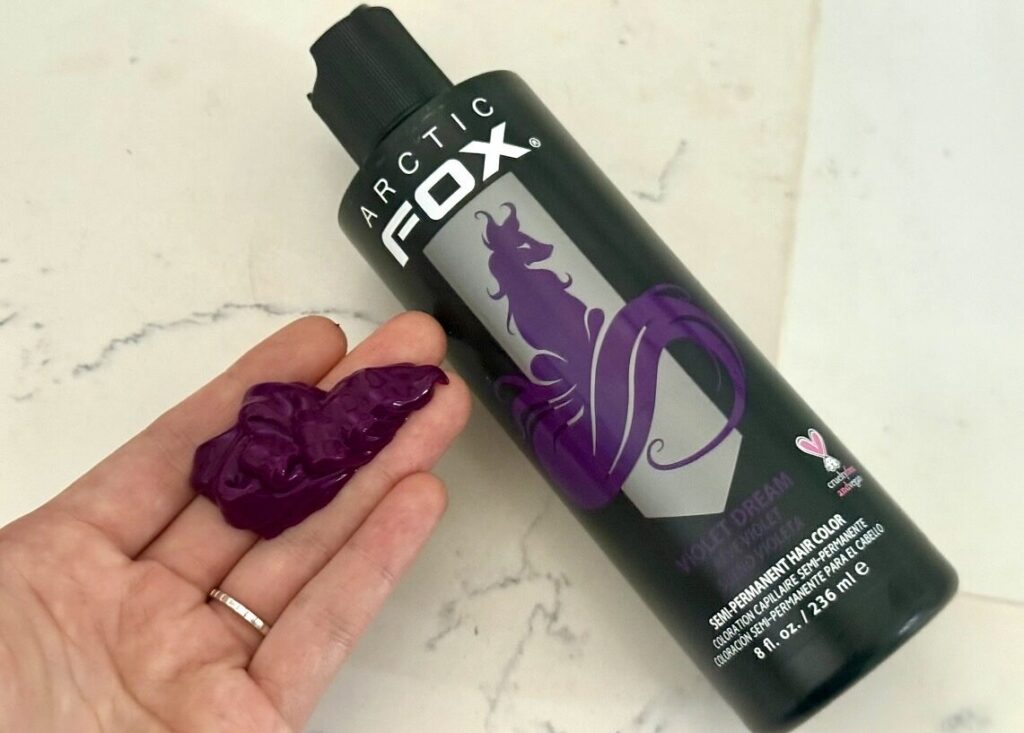
Arctic Fox Semi-Permanent Hair Color is my top pick for bright, fun colors without the harsh chemicals or damage. I love that Arctic Fox contains no peroxide, ammonia, ethyl alcohol, or PPD, and it’s 100% vegan and cruelty-free, with added hair nourishing ingredients like hydrolyzed soy protein. They’ve been around since I was old enough to shop at ULTA and I’ve tried a ton of their colors! It’s so fun to switch things up when I get bored of my hair color. Plus there’s no commitment because it eventually washes out. Violet Dream is probably my fave so far – it’s a vibrant purple shade that shows up more as a burgundy on my brunette hair and is actually very flattering. Not something I’d want permanently, but fun while it lasts and there’s zero damage to my hair in the meantime.
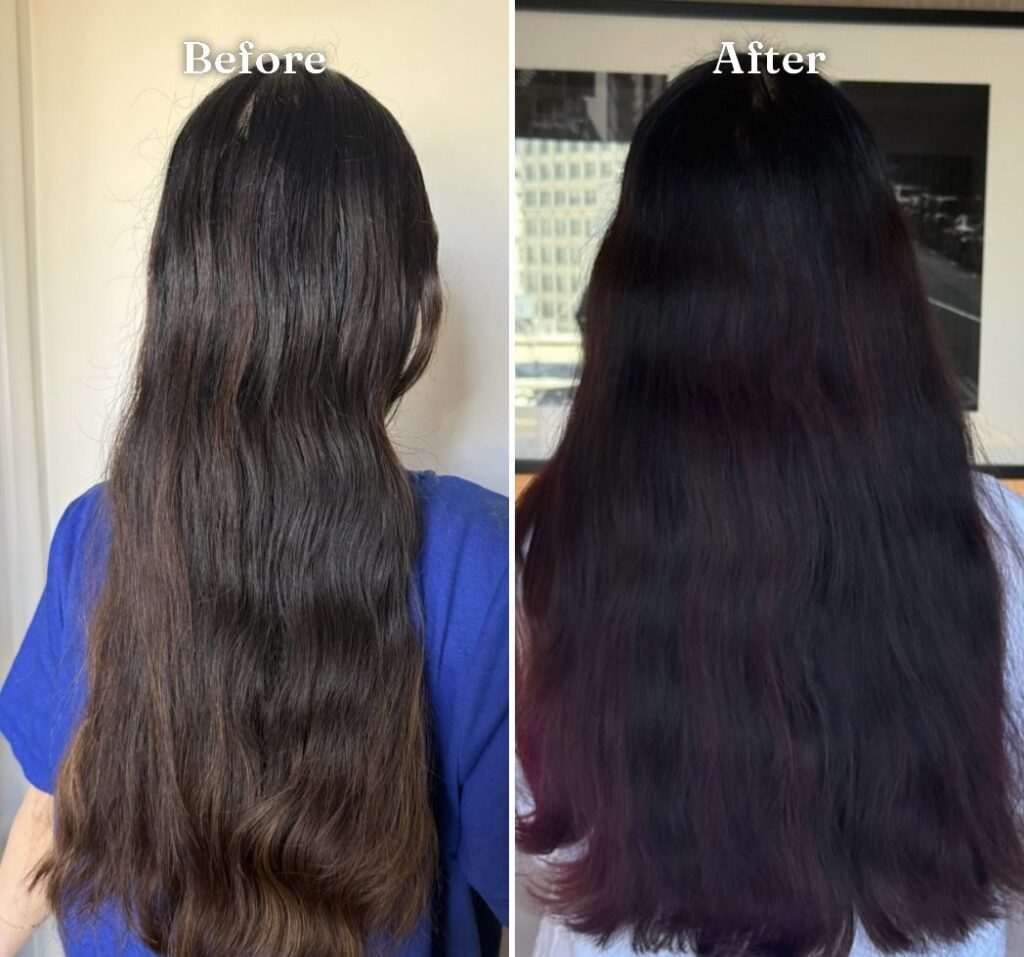
I do need to warn you that the color transfers a bit the first night or two from your hair to your pillowcase, so best not to use a white one. My main gripe is that my dark hair is limited to the darker red, brown and purple shades. If you have blonde or platinum hair, any of their colors would work for you. In direct sunlight, the color is much more vibrant and bright.
Shop HereHerbatint Permanent Hair Gel (budget!)
Herbatint is the most budget friendly low tox hair dye in this list and is ammonia-free, resorcinol-free, paraben-free, and alcohol-free, with eight herbal extracts and a low-peroxide developer. Note that Herbatint’s permanent shades still commonly list p-phenylenediamine (PPD) in the ingredients, since removing ammonia doesn’t automatically mean removing PPD. Herbatint is better than conventional hair dye thanks to the lower peroxide and no ammonia, but it isn’t a PPD-free option.
Shop HereI tried Tints of Nature (Highlighting Kit)
Tints of Nature’s Highlighting Kit was the first at home lightening kit I tried six years ago, it’s made with 95% naturally derived, 75% certified-organic base and has NO ammonia, parabens, resorcinol with the lowest possible levels of PPD. Technically, it isn’t PPD-free but on the lower end. If you want a Tints of Nature product with zero PPD, PTD, and ammonia, check ou their separate Henna Cream range is the one to reach for — it trades permanent, full gray coverage for a semi-permanent result (up to ~80% gray blending) that washes out over about 12 washes.
I used their Highlighting Kit for years and felt that it did a great job at lightening my hair even though it obviously didn’t look professionally done. There was of course some damage and my hair did get drier. At this stage in my life I wouldn’t hand paint my own highlights because the difference is super obvious between at home and a professional hair salon. Which brings me to organic and non toxic hair salons, the next part of this article.
Shop Here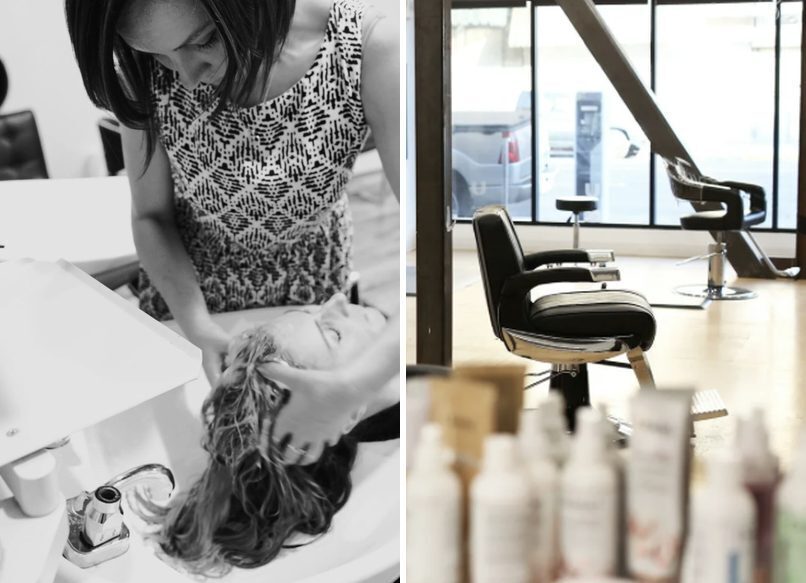
Does an Organic Hair Salon Exist?
If you’d rather sit in a stylist’s chair than mix a box kit yourself, there’s so many safer, low tox hair salons that avoid harmful chemicals today. More professional hair salons now cater to health-conscious clients and people with chemical sensitivities. Here are some of the most popular lines they use for professional color, highlights and smoothing treatments:
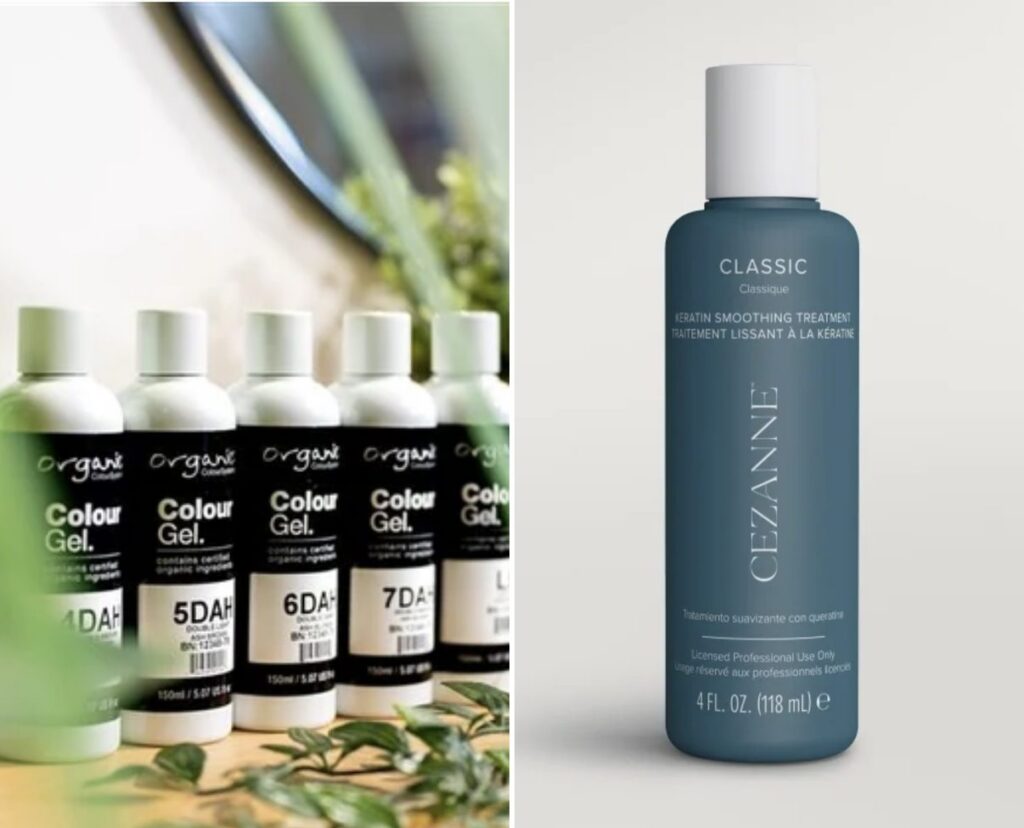
- Oway (professional salon only). , Oway’s Hcolor is a popular professional brand that’s ammonia-free and uses biodynamic, organic, and fair-trade botanical ingredients grown on the brand’s own farms in Italy.
- Organic Colour Systems (professional salon only). This is a complete professional system, with ammonia-free permanent color, gray coverage, semi-permanent color, and lighteners.
- Alfaparf Milano Color Wear (professional salon only). A demi-permanent, tone-on-tone color used for glosses, toning, and soft gray blending. It’s vegan and free of ammonia, MEA, PPD, alcohol, and silicone, which makes it one of the gentler options for refreshing color between bigger services.
- Cezanne Classic Keratin Smoothing Treatment (professional salon only): Cezanne is one of the best-known professional keratin smoothing treatments without the harmful formaldehyde found in your typical one. It uses a blend of keratin, botanical extracts, and vitamins to tame frizz and humidity for up to five months.
Expert Q&A
with Organic Hair Salon Founders Smart Hair Studio in Brooklyn
I spoke with Tanya Bandarchyk and Angela Dejuraev, founders of Smart Hair Studio, an organic hair salon in Brooklyn that has specialized in ammonia-free hair color for 15 years. Many of their clients have colored with them for years, giving Tanya and Angela a depth of long-term expertise few hairstylists have.
Why did you decide to open an organic hair salon so long ago, and have you seen demand change?
When Angela and I were preparing to open Smart Hair Studio in 2011, we had each already spent around 15 or 16 years behind the chair. On busy color days, constantly breathing in the strong ammonia smell made us feel unwell. It was no joke. We loved being hairstylists and wanted to enjoy our profession for many more years—not reach a point where our health forced us to give it up.
There was a personal reason for me as well. I have always enjoyed coloring my own hair, even before I started going gray, and I always used professional products. But over time, my skin and scalp became increasingly sensitive and itchy after coloring.
Those experiences pushed us to research gentler professional options when we opened our own salon. We weren’t following a beauty trend. We were searching for a healthier approach for ourselves, our team and our clients. That became the foundation of our “Healthy Hair First” philosophy.
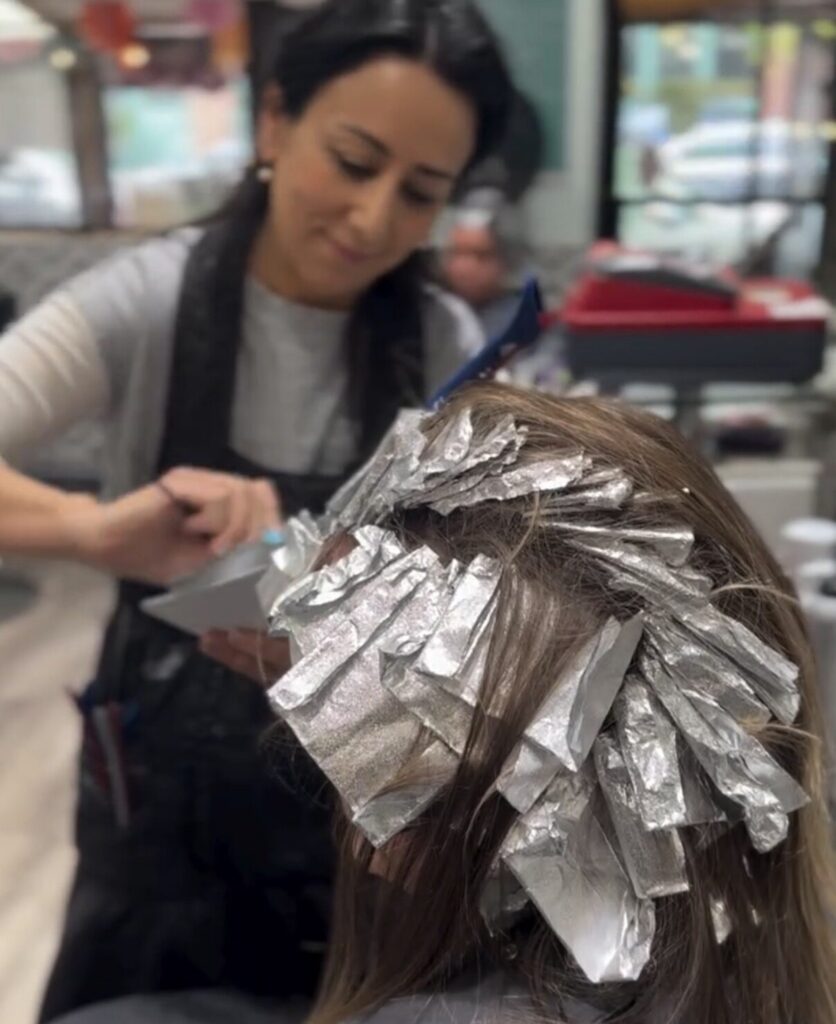
Smart Hair Studio was founded by two mothers who wanted to build a healthier, more sustainable career while serving our Brooklyn neighborhood. Many clients have stayed with us for years, so we have seen how hair responds not only after one appointment, but after many years of regular coloring.
Demand has definitely changed. Today, many more clients ask about ammonia-free color, ingredient transparency, sensitive-scalp options and the working environment inside the salon. At the same time, terms such as “organic,” “clean” and “non-toxic” are often used too loosely. We believe clients deserve honest explanations—not fear-based marketing or promises that no professional can guarantee.
Why did you choose Organic Colour Systems instead of Oway?
Oway is another respected botanical-focused professional company, but we can only speak confidently about the system we have personally worked with for approximately 15 years.
We chose Organic Colour Systems because it gave us the complete professional system we needed: permanent color, gray coverage, semi-permanent color, lightening products and supporting hair care. It allowed us to create customized, long-lasting results while avoiding ammonia and several other ingredients commonly found in traditional color.
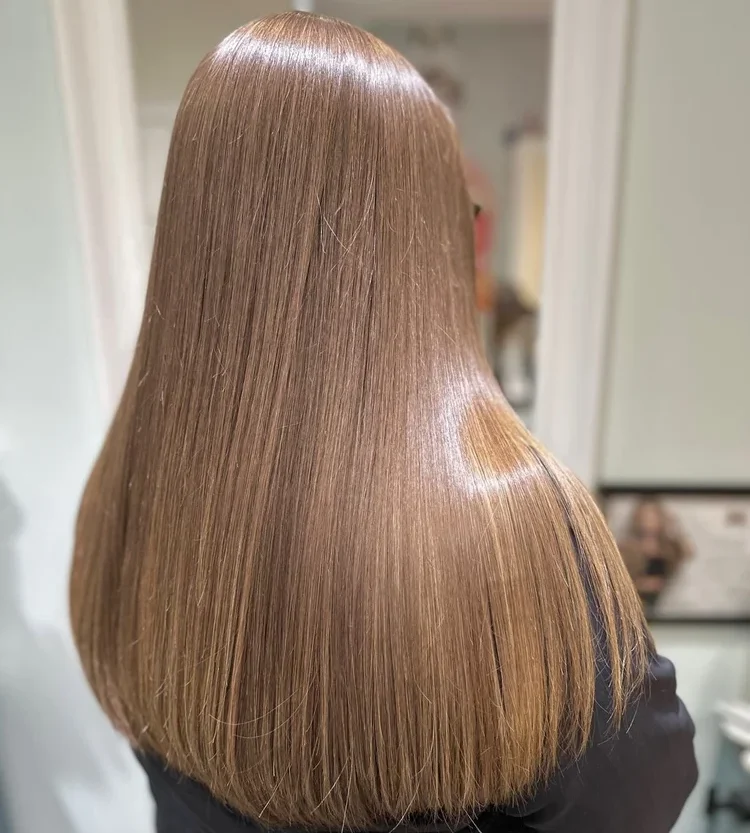
Another important reason we continue working with Organic Colour Systems is its oil-delivery, conditioning approach. We work with many clients who have curly, coarse, dry or porous hair, and we have seen a beautiful difference in how their hair responds. Instead of feeling stripped after coloring, the hair often feels softer, smoother and more flexible, with healthy-looking shine.
This is especially noticeable on curly hair. When curls retain softness and moisture, the curl pattern looks more defined and the finished color reflects light beautifully. For us, successful color is not only about achieving the correct shade—the condition of the hair afterward is just as important.
After working with this system since 2011, we have seen these results consistently on our own hair and on longtime clients who color regularly. That real-life experience is one of the strongest reasons we have remained loyal to the line.
We also value the company’s transparency and commitment to sourcing high-quality natural and certified-organic ingredients wherever possible. Organic Colour Systems is manufactured in the UK by Herb UK, which became a Certified B Corporation in 2020. We chose the line many years before that certification, but it later reinforced the values that originally attracted us: ethical suppliers, responsible manufacturing and consideration for the health of stylists, clients and the environment.
B Corp certification evaluates the company’s social, environmental and supply-chain practices. It does not mean that every ingredient is completely natural, non-toxic or allergy-free, so patch testing and professional consultation remain important.
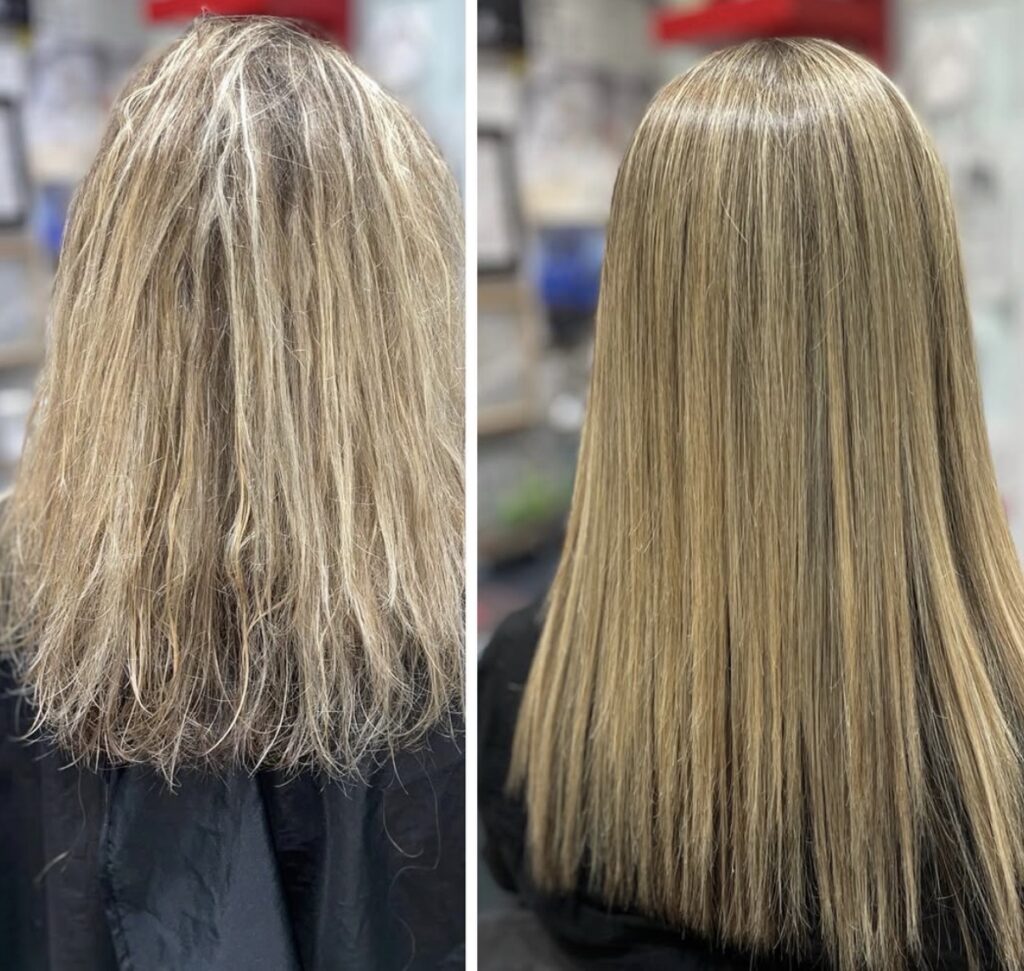
Tell us about Cezanne Botanical Keratin, Precious Nature Color and Color Wear.
These products perform different jobs, so we don’t place them all under the same “organic hair color” label.
Cezanne Botanical Keratin is a formaldehyde-free professional smoothing treatment that helps reduce frizz, soften texture and make daily styling easier. It is not permanent straightening, and we customize it so clients can keep movement, body or some of their natural curl.
Precious Nature was an ammonia-free Alfaparf Milano color line that we worked with previously. Today, Organic Colour Systems remains our main professional color system.
We also use Alfaparf Milano Color Wear for selected demi-permanent and tone-on-tone services, including glossing, tonal refinement and certain gray-blending projects. Its current formula is vegan and free from ammonia, MEA, PPD, alcohol and silicone. We also use selected Alfaparf products for fashion colors when they are the best choice for a particular project.
We don’t choose a product because of one marketing word. We choose it according to the client’s hair, scalp, desired result and service history.
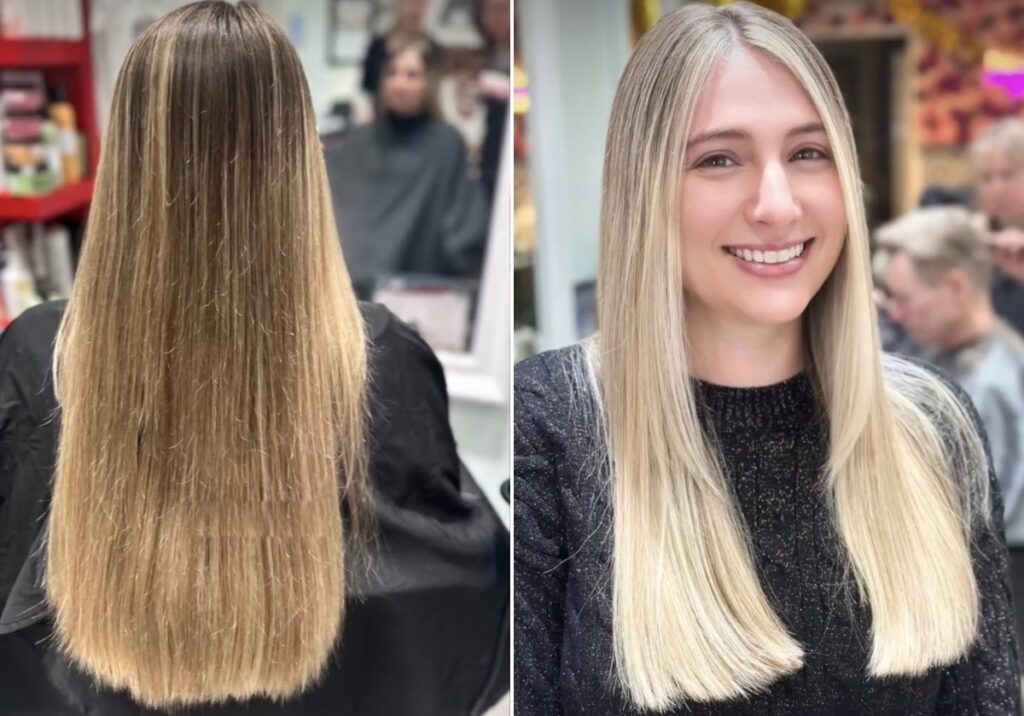
Is non-toxic highlighting or balayage possible?
We are careful with the phrase “non-toxic highlighting.” To make natural hair significantly lighter, a chemical oxidation process is necessary. There is no plant-only product that can create every level of blonde.
What is possible is a more thoughtful, lower-exposure approach. We can choose an ammonia-free professional lightener, use the lowest appropriate developer, avoid unnecessary scalp contact and customize placement so we lighten only the hair that truly needs it.
Modern methods—including AirTouch, babylights, teasylights, balayage and foilayage—allow us to create dimension and brightness strategically instead of repeatedly bleaching all the hair. We also consider the starting condition, previous color, realistic lifting ability and how much maintenance the client wants.
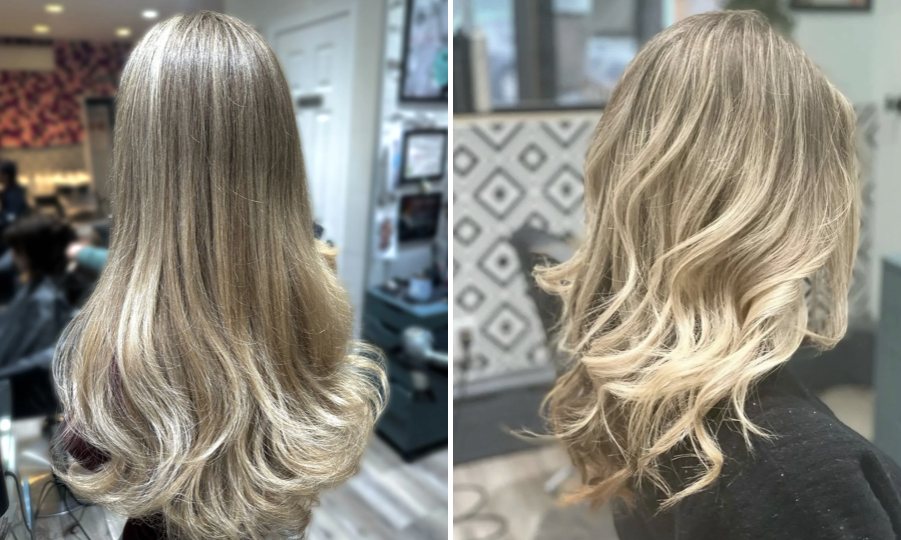
A gentler color service is not only about what is inside the tube. It is also about how the stylist works—choosing the correct developer, avoiding unnecessary overlap, limiting scalp contact when possible and knowing when the hair needs conditioning and time instead of more lightener.
Sometimes the healthiest plan requires several appointments. Beautiful blonde hair should not be created at the cost of destroying the hair.
What do you recommend for a sensitive scalp vs someone recovering from cancer or who is immunocompromised?
These are two very different situations.
For someone who wants to reduce exposure or has a history of scalp sensitivity, we begin with a consultation. We discuss previous reactions, examine the scalp, review the planned products and perform the manufacturer-recommended allergy alert test when appropriate. We never apply color to a scalp that is irritated, scratched, sunburned or damaged.
Depending on the client’s goals, we may recommend an ammonia-free permanent color, a gentler demi-permanent option or an off-scalp technique. However, ammonia-free does not mean allergy-free, and even someone who has colored successfully for years can develop a new sensitivity.
For someone receiving cancer treatment, recently completing treatment or living with a medically compromised immune system, the decision must come from their oncologist or medical team—not from the salon. The American Cancer Society currently recommends avoiding hair-dye chemicals during treatment and for approximately six months afterward, but every person’s diagnosis, medications, scalp condition and recovery are different.
Once the medical provider approves color, we still proceed conservatively. We evaluate the new hair and scalp, perform the required allergy test and may begin with a gentler or off-scalp option. We never describe any color as “cancer-safe.”
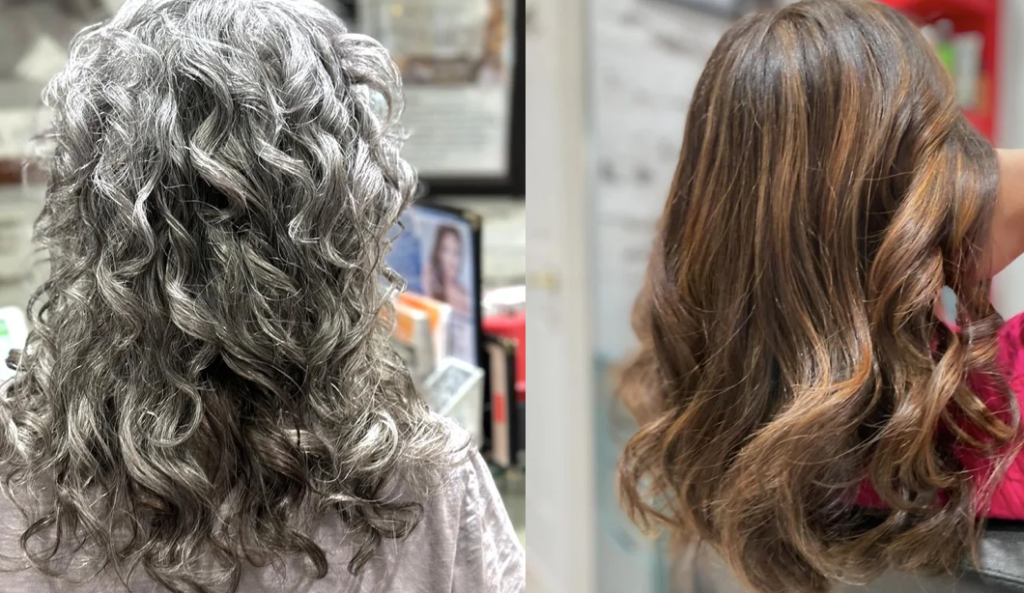
How does an overall color change differ from gray coverage?
An overall color change is usually about creating a different tone, depth or level throughout the hair. The plan depends on whether the hair is natural, previously colored, lightened or damaged. Color can deposit or shift tone, but permanent artificial color cannot simply be made lighter by applying another color over it.
Gray coverage is more focused on the regrowth and the individual pattern of gray. We consider the percentage of gray, resistant areas, natural base, desired coverage and how softly or completely the client wants it covered.
Some clients want full gray coverage. Others prefer gray blending, which leaves a little natural variation and produces a softer grow-out. The best formula and technique are different for every person.
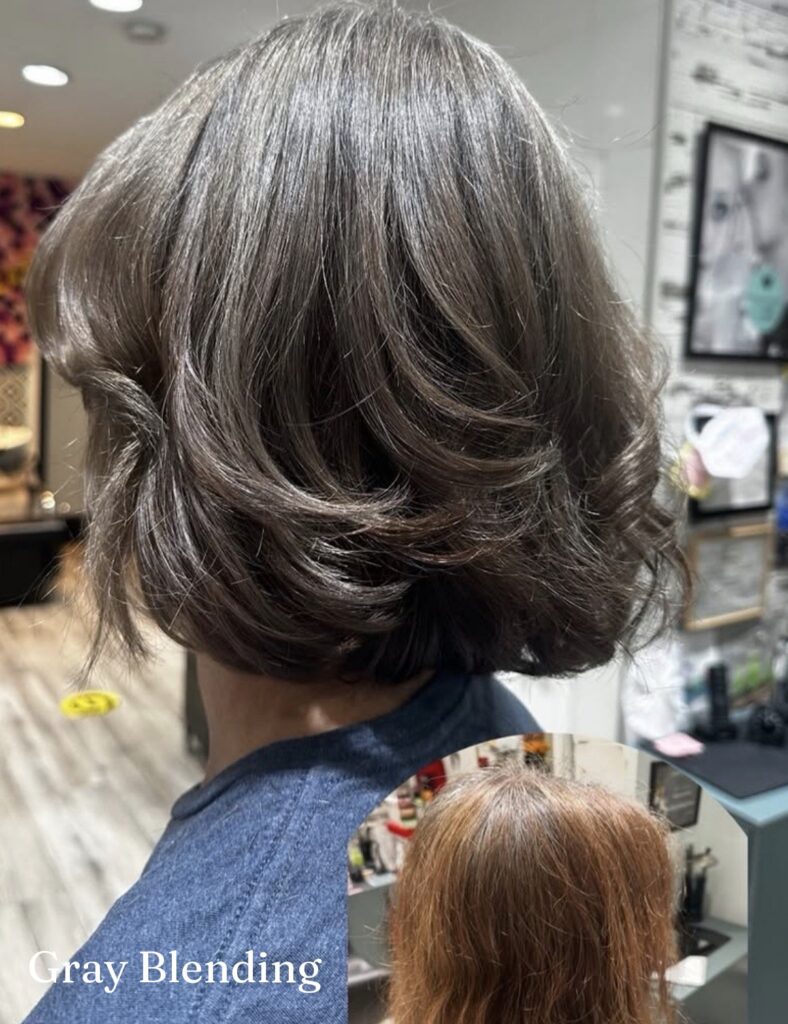
What does transitioning to natural gray look like?
We help many clients transition from artificial color to their natural gray. It is usually a journey rather than one appointment.
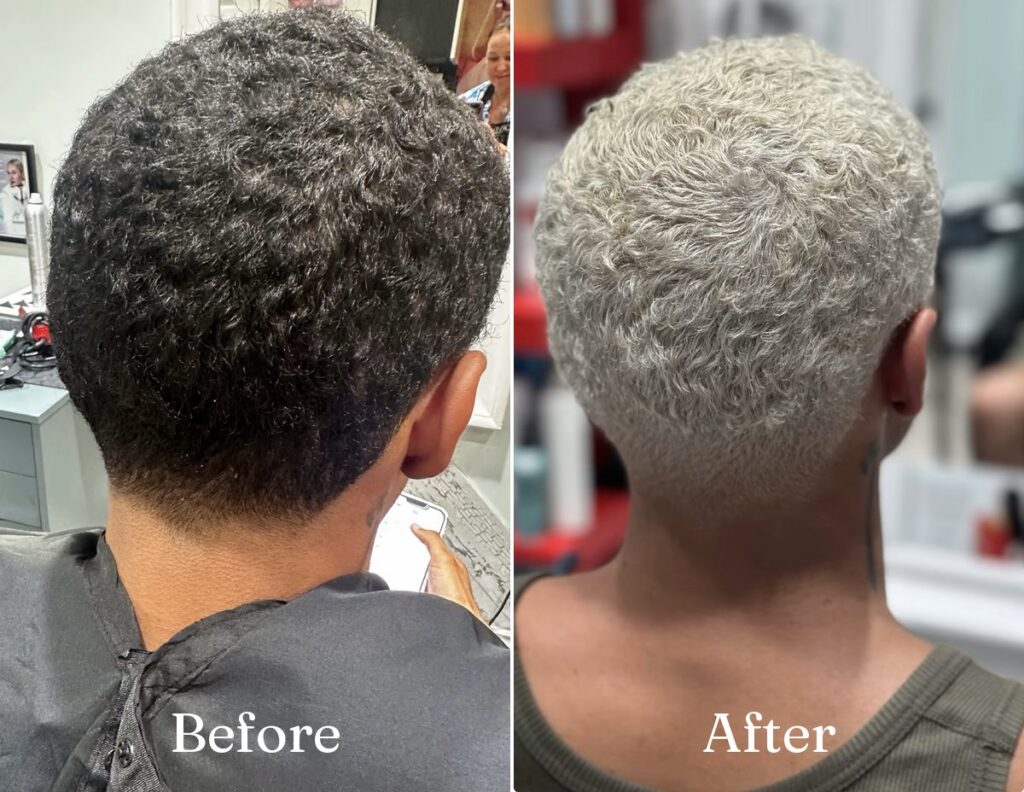
The process depends on how dark or warm the previous color is, how much natural gray the client has, the hair’s condition and how much length they want to keep. We may use carefully placed highlights, lowlights, glosses, gray blending and strategic haircuts to soften the line between the old color and the new growth.
If there are years of dark or oxidized color on the hair, the transition may require color correction, several appointments and as much as a year. Trying to force the entire transformation in one day can compromise the hair.
Our goal is not always to make everything silver immediately. It is to create a graceful, wearable transition that allows the client to feel beautiful during every stage.
What are your thoughts on henna?
Pure henna is a plant-based option, but it has limitations. Traditional henna usually produces warm red, copper or orange tones. Other plant powders, such as indigo or cassia, may be combined with it to create different effects, but the results depend heavily on the starting hair color and can be difficult to predict.
Henna cannot lighten hair, and repeated applications can build up strongly. It may also make a future professional color change or lightening service more complicated.
Not every product marketed as henna is pure. Some products contain additional dyes or metallic salts, and “black henna” may contain PPD. We always ask clients to disclose previous henna use and, if we are considering a chemical service afterward, we may require an ingredient list and strand test—or decline the service if we cannot confirm what is on the hair.
Henna can be a suitable choice for someone who understands its color limitations and long-term commitment, but “natural” does not automatically mean appropriate for every person.
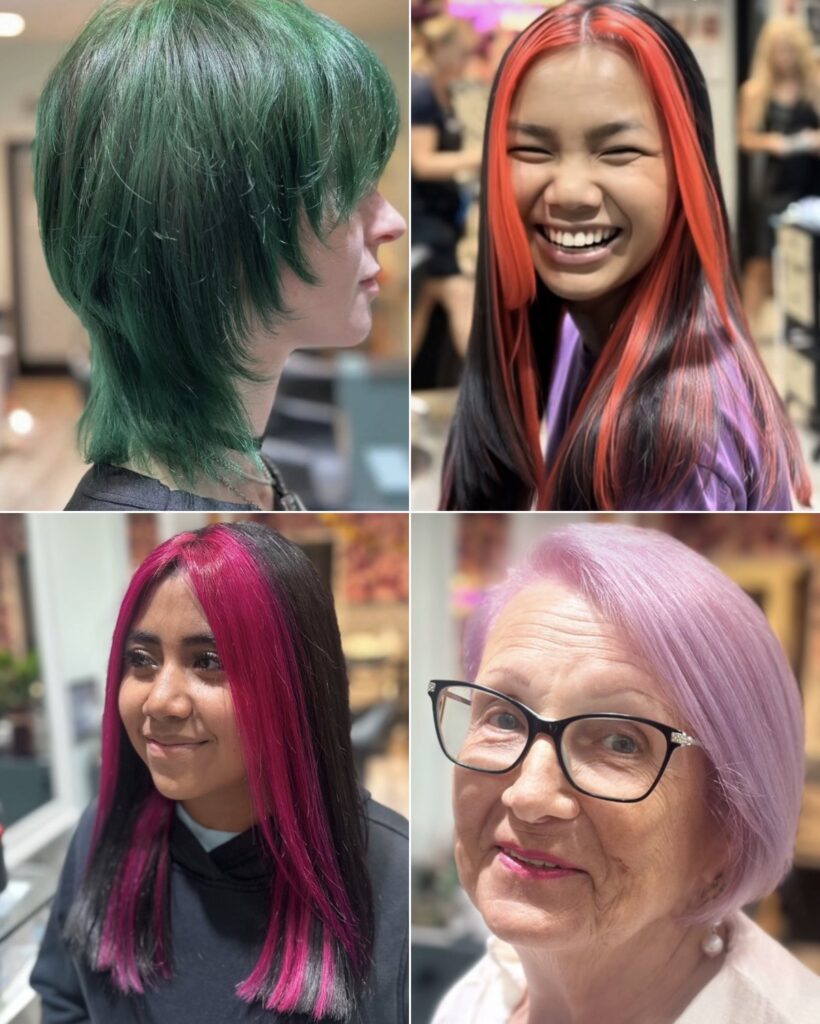
Are there compromises in performance or color quality with organic or lower-tox professional color?
For most everyday salon services, we do not believe clients need to compromise on beautiful color. Modern ammonia-free professional systems can provide rich brunettes, vibrant reds, dimensional blondes, shine and excellent gray coverage.
The compromise is usually not the quality—it is the need to be realistic. A very dark artificial color cannot become a healthy platinum blonde in one appointment simply because a gentler product is being used. Major transformations may require more time, multiple sessions and a careful maintenance plan.
Permanent color still relies on chemistry, developer and oxidative pigments. A formula can include organic or naturally derived ingredients while also containing the functional ingredients needed to produce permanent color. That is why we prefer terms such as “gentler,” “ammonia-free” or “lower-exposure” instead of promising that permanent color is completely natural or completely non-toxic.
After approximately 15 years of working with Organic Colour Systems, our confidence comes from long-term experience—not simply from reading a label. We have seen beautiful gray coverage, healthy shine and consistent results on real clients who have colored their hair with us for many years.
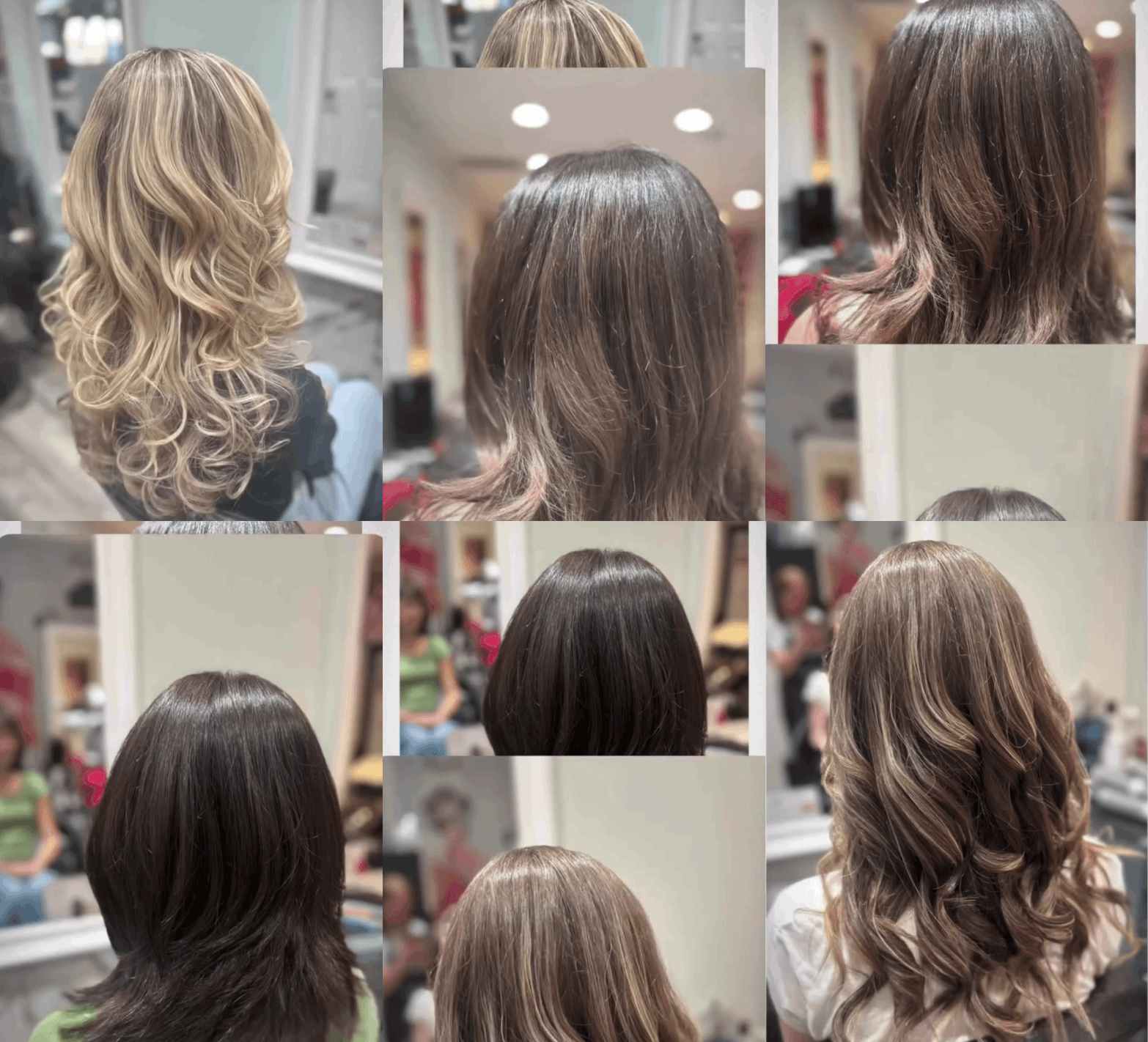
What do people misunderstand about organic coloring and organic salons?
The biggest misconception is that “organic” means chemical-free, reaction-free or safe for every person. Water is a chemical, plants can cause allergies and permanent color requires chemistry to create permanent results.
“Ammonia-free” is valuable, especially for odor and the salon environment, but it does not automatically mean that a product is free from every possible irritant. Clients should still receive a consultation, honest explanation and allergy testing according to the manufacturer’s directions.
We also don’t claim that every product inside our salon is organic. Organic Colour Systems is our primary permanent color line, but we use carefully selected professional products when they are the best choice for a particular result. Our responsibility is to understand what we use, explain it honestly and select the gentlest effective option for each client.
You should feel comfortable asking a salon:
- Which professional color line do you use?
- What specific ingredients is it formulated without?
- Is the color permanent, demi-permanent or plant-based?
- Will it touch my scalp?
- Do I need an allergy test?
- What result is realistic for my hair history?
- How often will I need to maintain it?
For us, “Healthy Hair First” is not about chasing a perfect label. It means using the gentlest effective option for the desired result, protecting the condition of the hair and creating a salon environment in which clients and stylists can feel comfortable long term.
Smart Hair Studio
282 Prospect Park West, Brooklyn, NY 11215
(347) 689-9081
Organic Hair Color| Blonde Specialists| Gray Blending| Curly Hair Specialists| Botanical Keratin
Andrea is a clean beauty expert born in Los Angeles, California with 10 years of experience in natural skincare and organic living. She writes for Organic Beauty Lover using her expertise to guide readers in choosing the best natural products. Andrea graduated from the University of Southern California’s Marshall School of Business and has worked at NBC Universal, Four Seasons Hotels and Resorts, and The Travel Corporation while freelancing for small businesses. As a multi-citizen, she considers herself a global citizen of the world, belonging nowhere and everywhere, and has lived across Europe, US, Asia and South America. She currently resides in Orange County since 2026 and loves yoga, coffee and exploring the desert. Connect with her @organicbeautylover.
JOIN OUR NEWSLETTER! No spam ever.








Leave a Reply