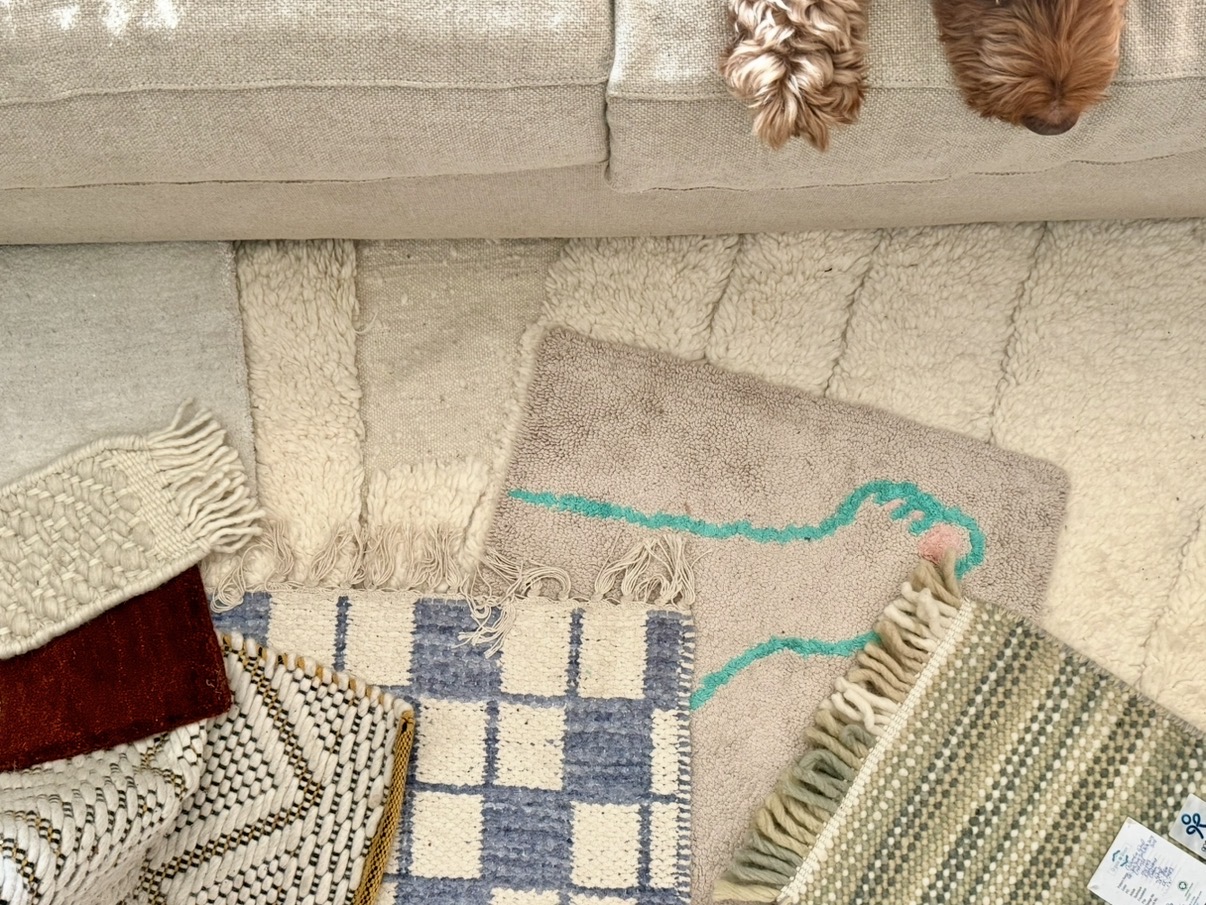
I tested tons of organic, non toxic rugs in my home and I’m sharing the best ones. The best nontoxic rug is made with natural fibers like wool, jute, or cotton and without petroleum-based plastics, PVC, synthetic rubber backings, harmful dyes, glues, flame retardants, or PFAS.
For those of you who want to cut to the chase the best organic rug for a living room is Organic Weave, best non toxic rug for a nursery is Nestig, best natural outdoor rug is Dash and Albert, and the best non toxic doormat is Porte + Hall.
I continuously update this post with new natural rugs I’m testing.
Toxins in Rugs
- Flame retardants: commonly applied to backings and pads and migrate out as household dust over time (linked to hormone disruption)
- VOCs (formaldehyde, toluene, styrene): released by synthetic fibers, adhesives, and chemical finishes, mostly from rug glues. It’s that “new rug smell” you notice with off gassing heaviest in the first few weeks but continuing for months.
- PFAS stain repellents: “forever chemicals” that don’t break down in the environment or the bod. Linked to thyroid, immune, cardiovascular, and reproductive effects.
- Synthetic latex backing (SBR): found under most synthetic and many wool rugs. Off gasses 4-phenylcyclohexene, the source of that rubbery smell, which can trigger headaches or respiratory irritation.
- Phthalates: endocrine disruptors found in synthetic materials and adhesives.
- Toxic dyes: azo dyes (up to 80% of synthetic dyes) release carcinogenic aromatic amines as they break down; some conventional dyeing also uses heavy metals like chromium VI, lead, and cadmium as fixatives, which is a particular concern in conventionally dyed wool.
Are Natural Rugs Better?
Non-toxic rugs are better than typical rugs in so many ways!
- Safer for babies, kids, and pets: they spend the most time in direct contact with the floor!
- Better indoor air quality: especially in bedrooms and nurseries
- Look and feel better: Natural fibers have richer texture and character than synthetic.
- Biodegradable instead of shedding microplastics and staying in a landfill forever.
- Will last longer: a well-made natural fiber rug usually outlasts a synthetic one, which I’ve found wear down super fast in my experience.
Materials used in Natural Fiber Rugs
- Wool: exceptionally durable often lasting 20 to 30 years, inherently fire resistant and antimicrobial
- Cotton: soft, breathable, and machine washable. It’s less durable than wool and works best in a low traffic space like entryways, kitchens, or bathrooms.
- Jute: sustainable and biodegradable, and holds up well to kids and pets in moderate traffic areas. The downside is it absorbs stains and swells or discolors when wet, so not a great fit for kitchens, bathrooms, or humid climates.
- Sisal: one of the most durable natural fibers available, naturally stain-resistant, and doesn’t trap allergens or dust. It’s coarse and stiff underfoot, so it’s better for high traffic areas than bedrooms.
- Seagrass: dense and smooth with a natural glossy surface
- Hemp: less common but softer than sisal but stronger than cotton, gets softer with use, resists mildew and UV fading,
- Silk: very expensive and best for low traffic or formal spaces
I tried Organic Weave Organic Cotton Wool Rug
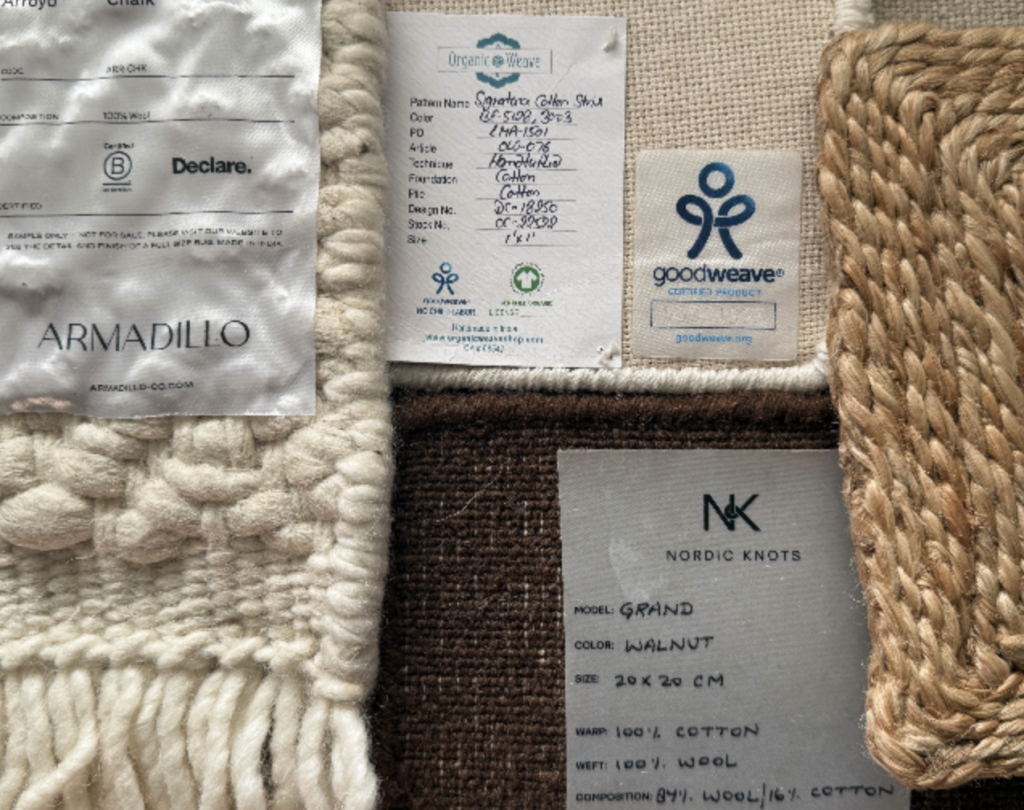
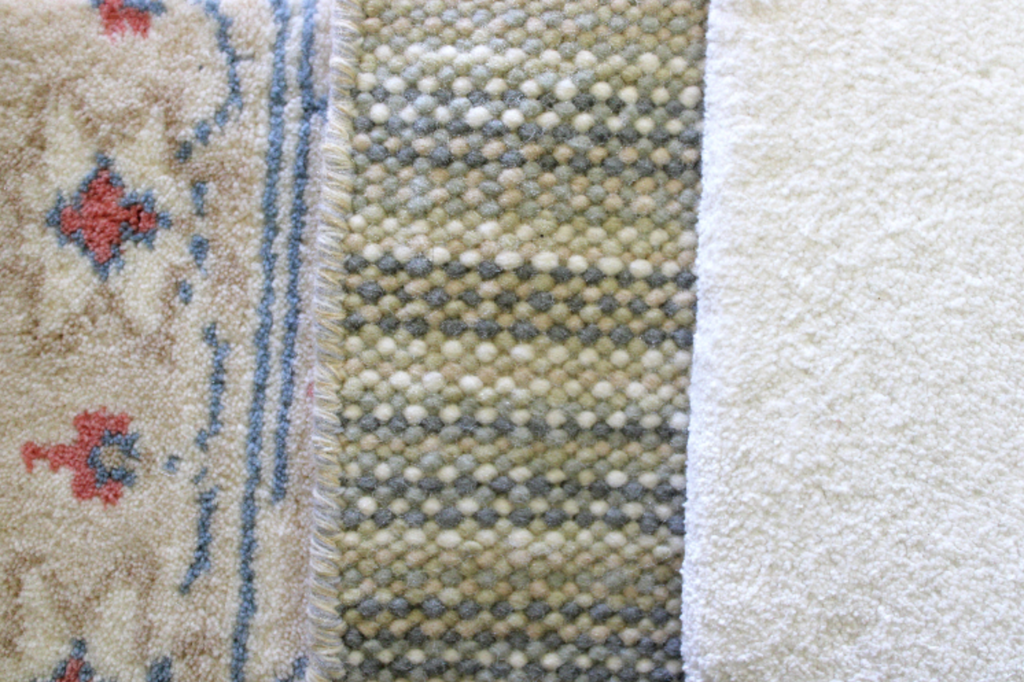
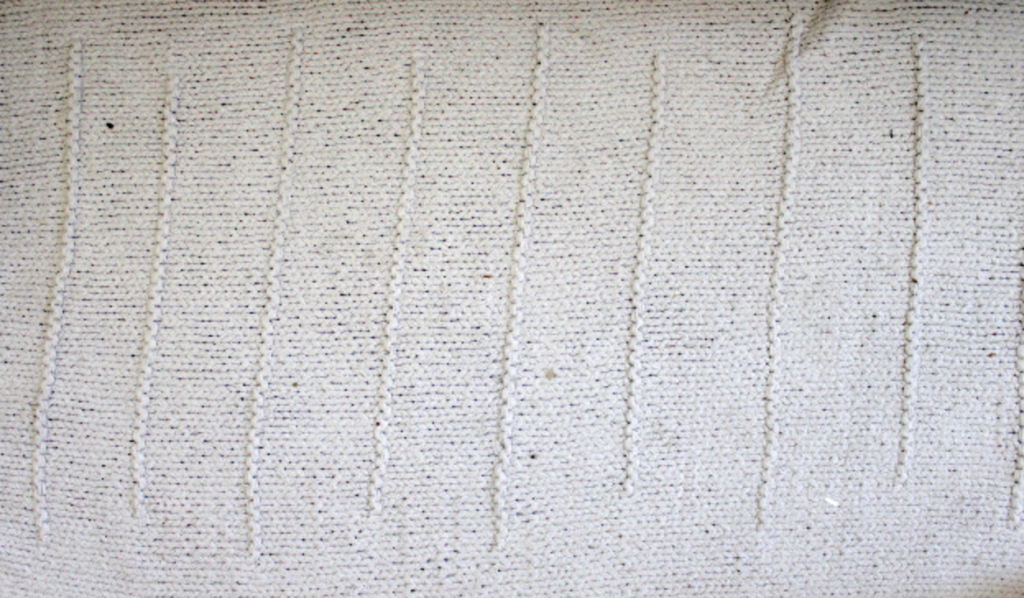
Organic Weave is my top pick for fully certified organic rugs that both look AND feel amazing. Out of the dozen rug brands I tested, Organic Weave ticks all my boxes and is by far the coziest, highest quality rugs I’ve tried hands down. These rugs are handwoven from GOTS certified organic cotton and organic wool, colored with natural plant dyes, and finished without bleach, formaldehyde, stain-resistant sprays, or flame retardants that off gas. They’re also GoodWeave certified and female founded with a third generation rug-making background. My family and I used their Signature Solid Strie Cotton rug (100% organic cotton), Columbia Wool Flatweave Rug (100% organic wool) and their Persian hand knotted Lily Rug made (100% organic wool and non toxic dyes). I’m not kidding when I say the Solid Strie Cotton rug feels like nothing my feet have ever felt. It’s incredibly soft yet feels supportive with the subtlest sinking in feeling like they’re settling into a cozy but firm hug. The hand knotted wool rugs feel just a smidge tougher but still softer compared to other 100% wool rugs I tested – and that also makes them very durable and resilient. The Flatweave wool rug is the toughest and lowest pile of them all, great for high traffic areas.
I tried Revival Rug Moroccan Rug
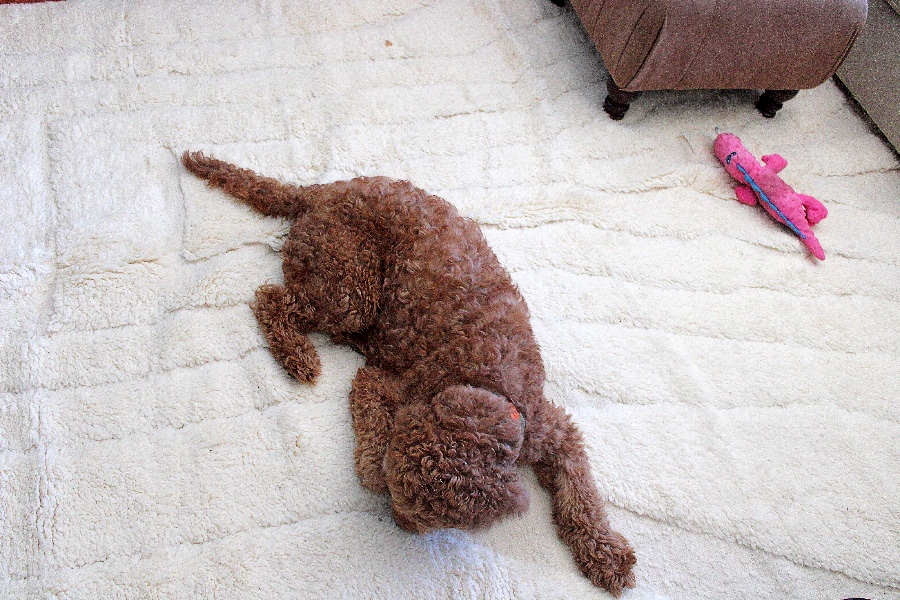
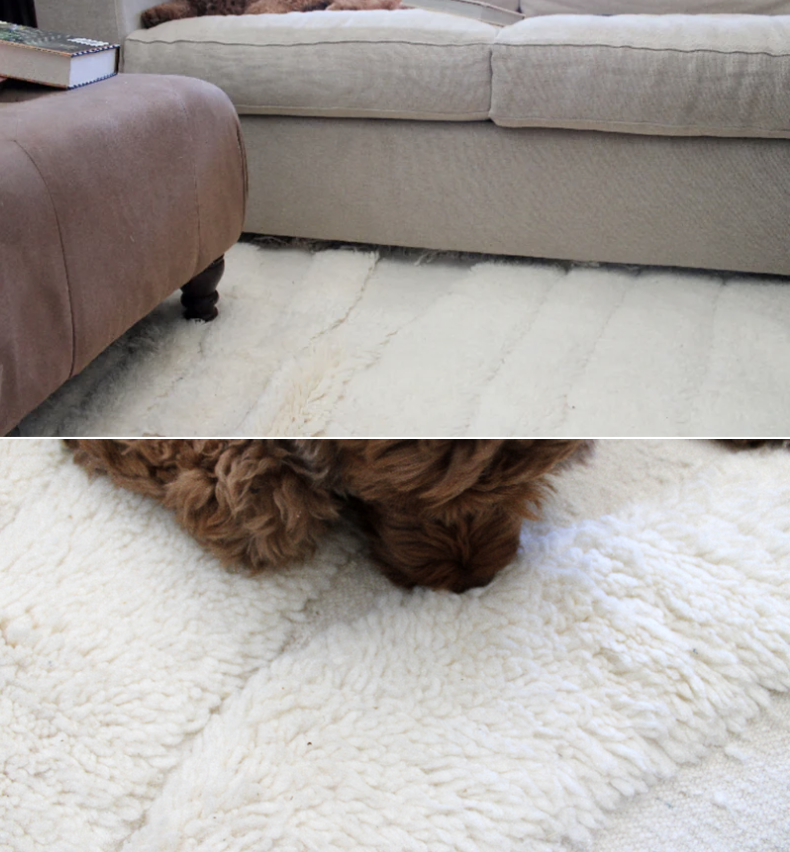
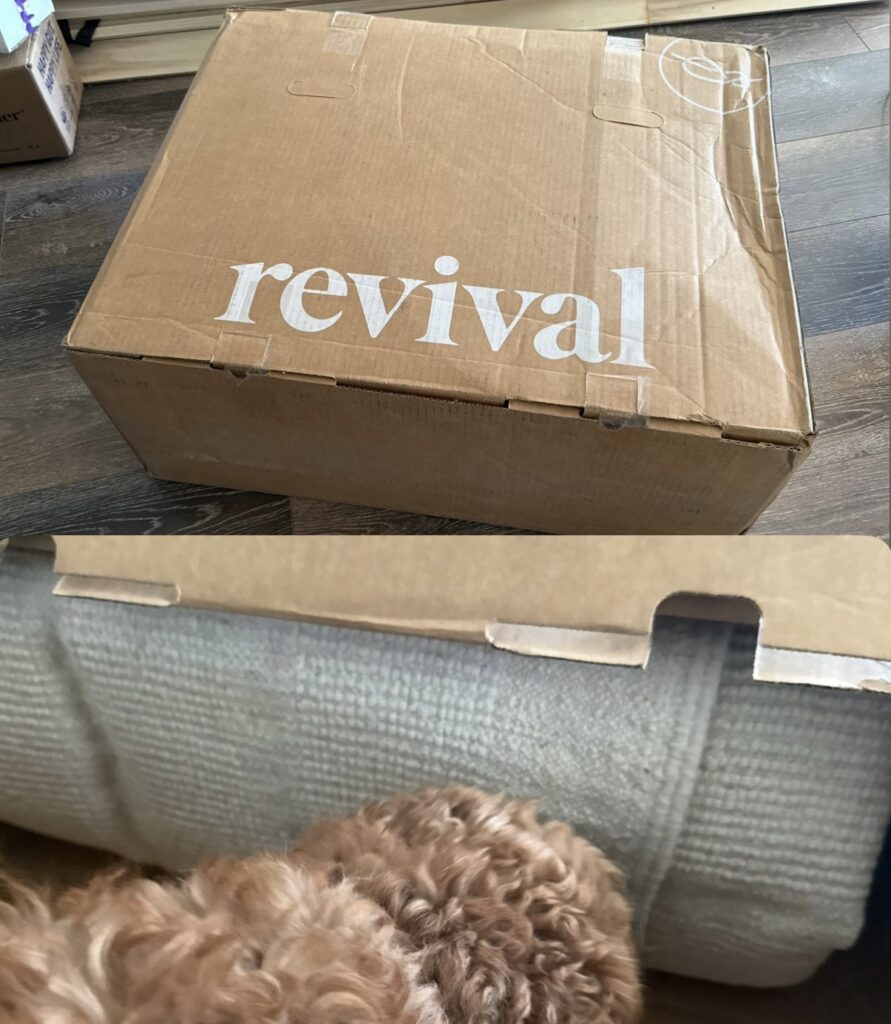
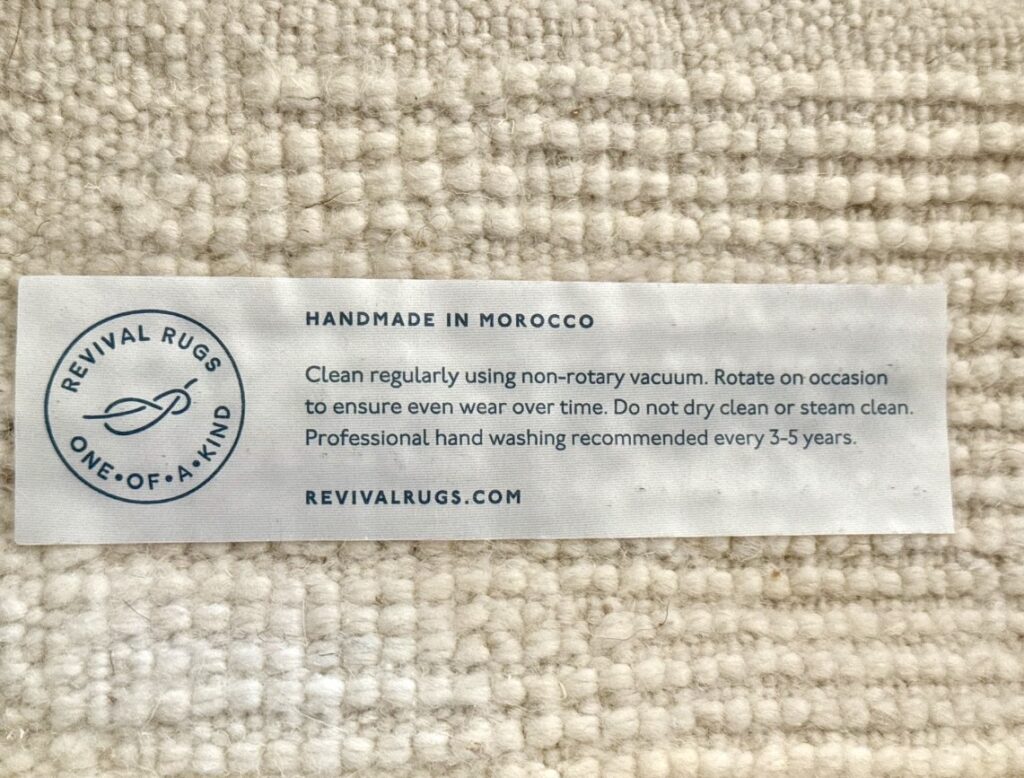
Revival Rugs sells handmade rugs made with jute, wool, cotton, hemp, and silk, OEKO certified options and recycled PET and offers more than 5,000 styles across vintage, new, custom, and limited-edition pieces. They really have a rug for every taste and style and many are easy to wash and care for. My Nexor rug is a new one-of-a-kind piece that’s hand-knotted from 100% wool by Beni Ourain tribes in the Middle Atlas mountains. It’s a generous 6’8″ x 9’4″ in cream and off-white, multi-layered textures with a short fringe on one side. I love the understated multi-tonal luxe look of this rug while bringing a bit of the old world into my home. I’ll update this post with how well it holds up over the years. It did not come wrapped in plastic, which I appreciated yay!
I tried Armadillo Rugs (best for interior design)
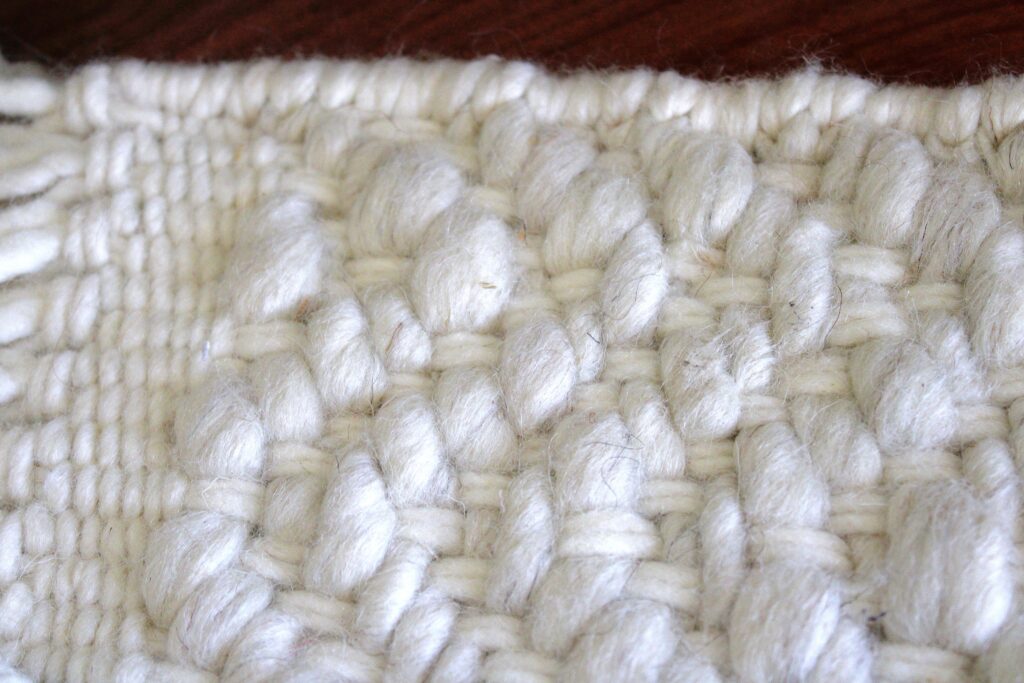
Armadillo is the most luxurious 100% natural rugs and premium priced rug brand in this list. They use materials like Jute, Wool, Viscose, Linen, Recycled Felt and Natural Rubber, and even have a 100% Silk rug. I tested many of their bestsellers like Agra, Meadow, Malawi, and Cable annd Arroyo is my favorite weave. They feel like decor statement pieces on their own with stunning visual depth and would elevate the look of any home (especially interior decor themes). I find Armadillo rugs very hefty and their 70s style Meadow rug is the highest pile rug I’ve ever tried at 25mm high. Design wise Armadillo is top tier, but I still found Organic Weave to surpass Armadillo in softness and comfort. Pricing is on the premium end.
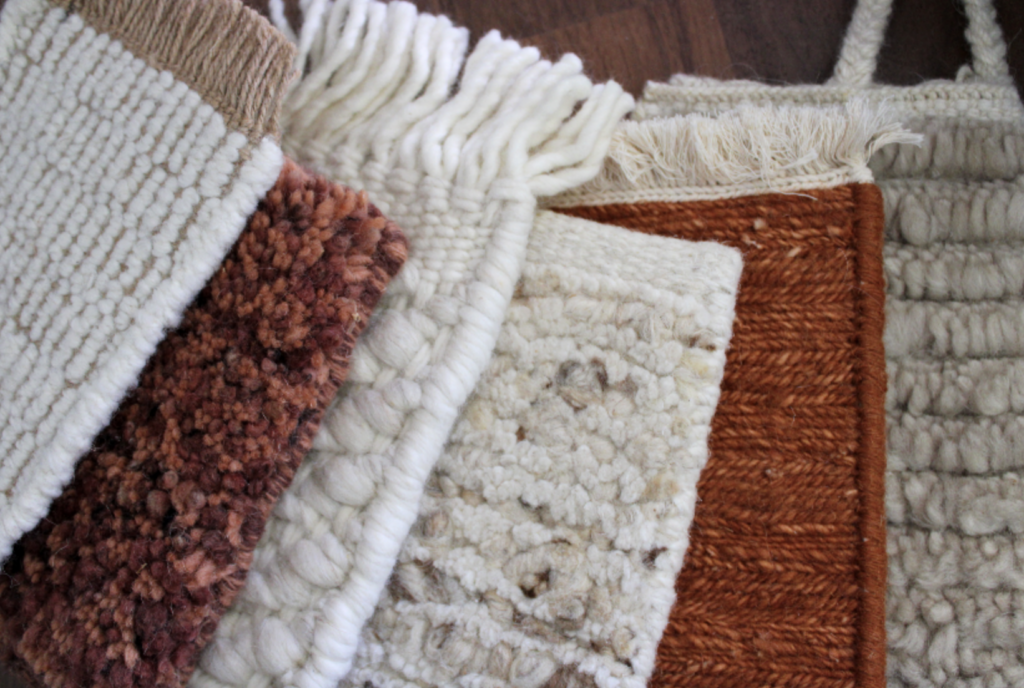
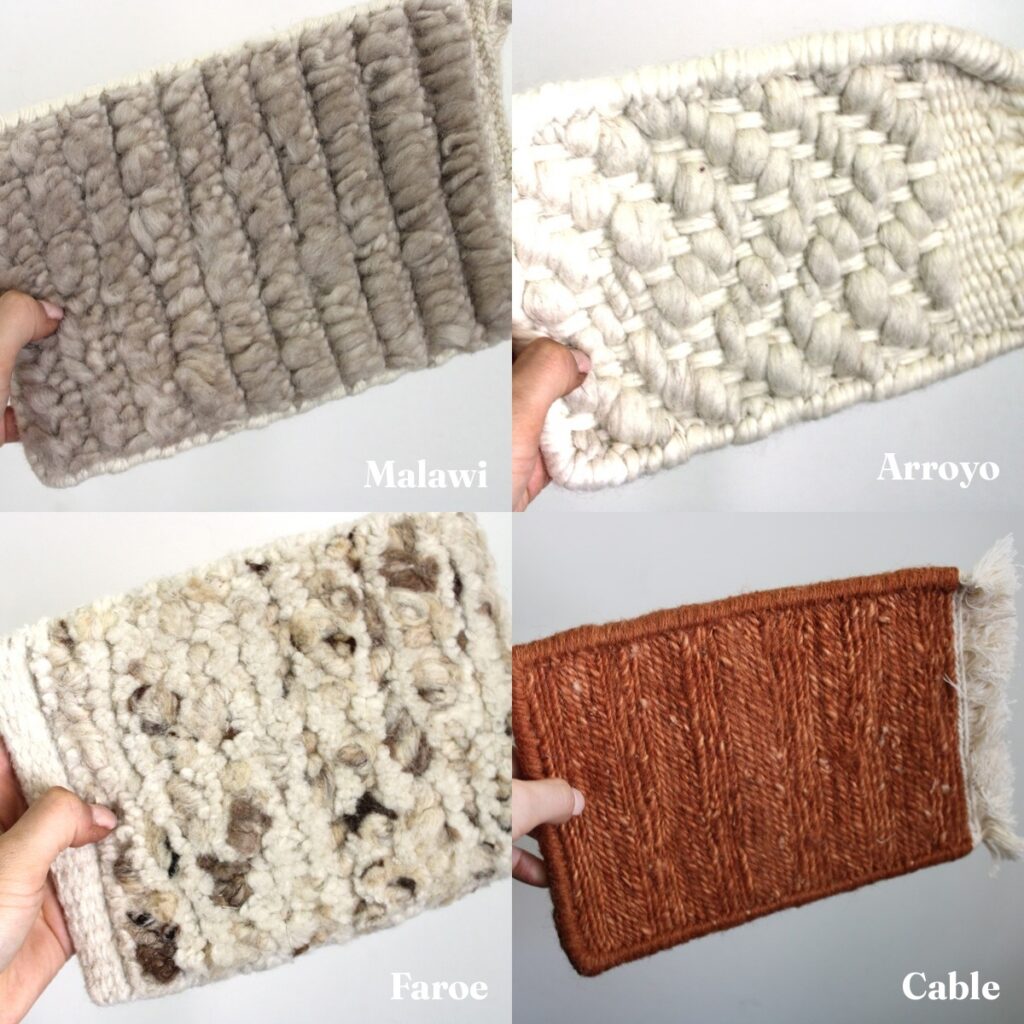
Armadillo has showrooms in Los Angeles, San Francisco and New York if you want to see the rugs in person. Each is handwoven by artisans in India and Nepal using traditional techniques, they hand dye the fibers before spinning and sun drying them, which gives the colors a natural variation. The dyes they use aren’t plant based but free of harmful benzene chemicals and undyed natural fiber options are available. I love that they’re not just B Corp certified but also have production transparency backing from the International Living Future Institute.
I tried West Elm Wool Rug
West Elm is probably the most accessible entry level luxury rug brand in this list. Their collection covers the whole gamut, from functional ones for high-traffic rooms to design statement spaces and outdoor rugs to machine washable lines in natural jute, cotton, and recycled fibers. Surprisingly a lot of their rugs are Fair Trade Certified and sustainably sourced, but you need to specifically look at the materials to make sure it’s 100% natural. This is a convenient option if you’re getting your home decor or certified non-toxic furniture from West Elm anyway.
Quince Aiden Wool Rug
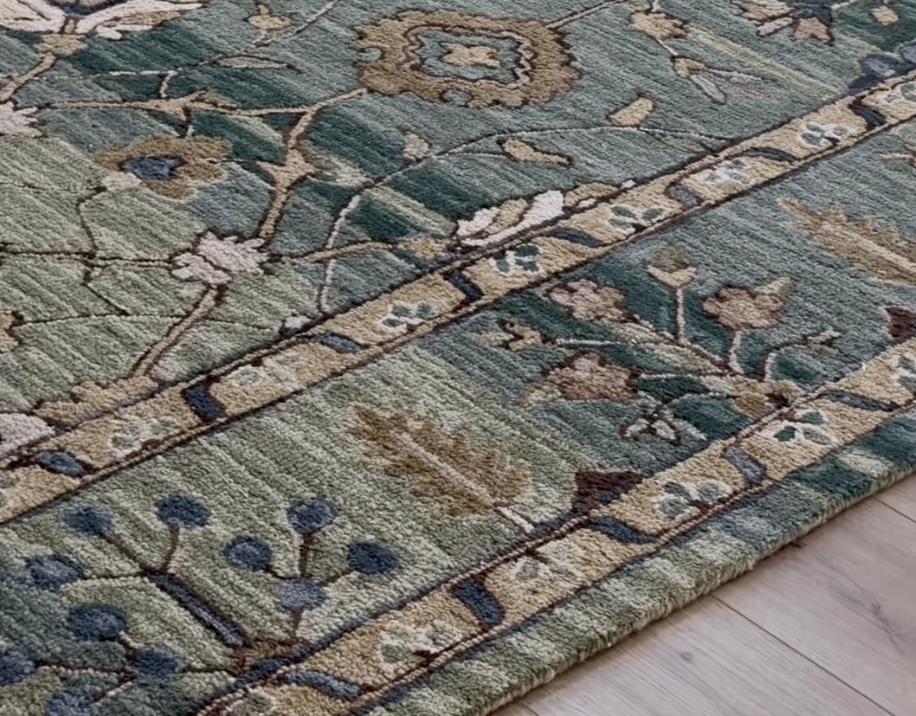
Quince’s rugs are 100% natural fiber but without certifications that some other brands have. If certified non toxic rugs are out of your budget, a better option is going for a fully natural rug versus a plasticy polyester or synthetic polypropylene one. Quince’s wool rugs come in a wide variety of mainly traditional and timeless designs, including Persian rugs and solid rugs, and are made of 100% New Zealand wool with hand-tufted or hand-knotted styles. They don’t off-gas and are naturally stain-resistant thanks to its own lanolin coating and are relatively affordable at around $40 for a 2′ by 3′ and $529 for a 8′ by 10′.
I tried Safavieh NATURA Wool Rug (budget!)
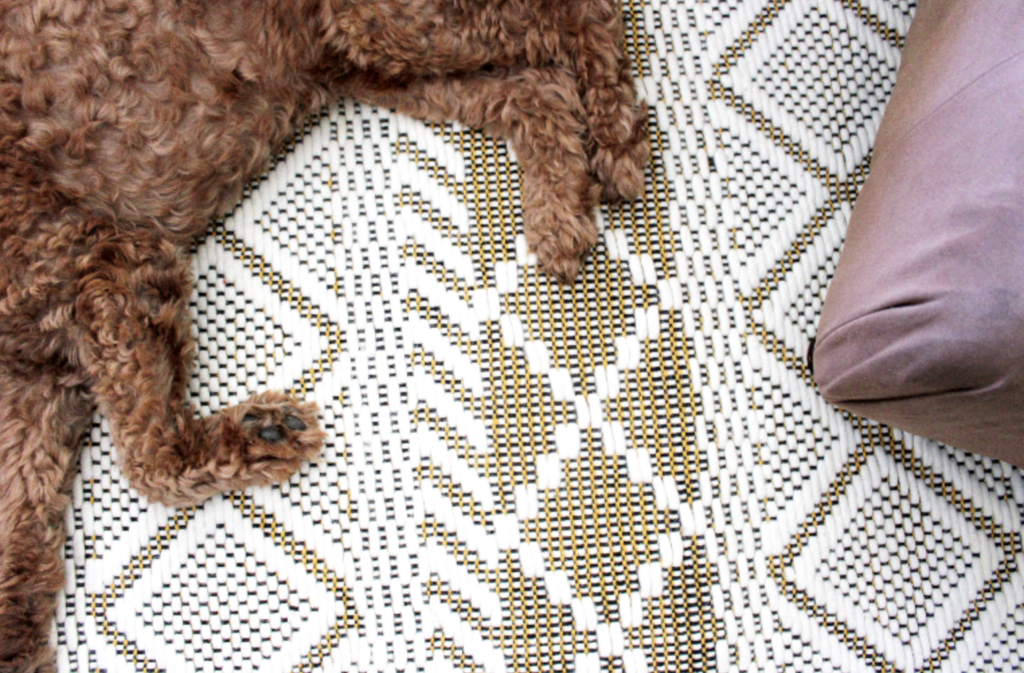
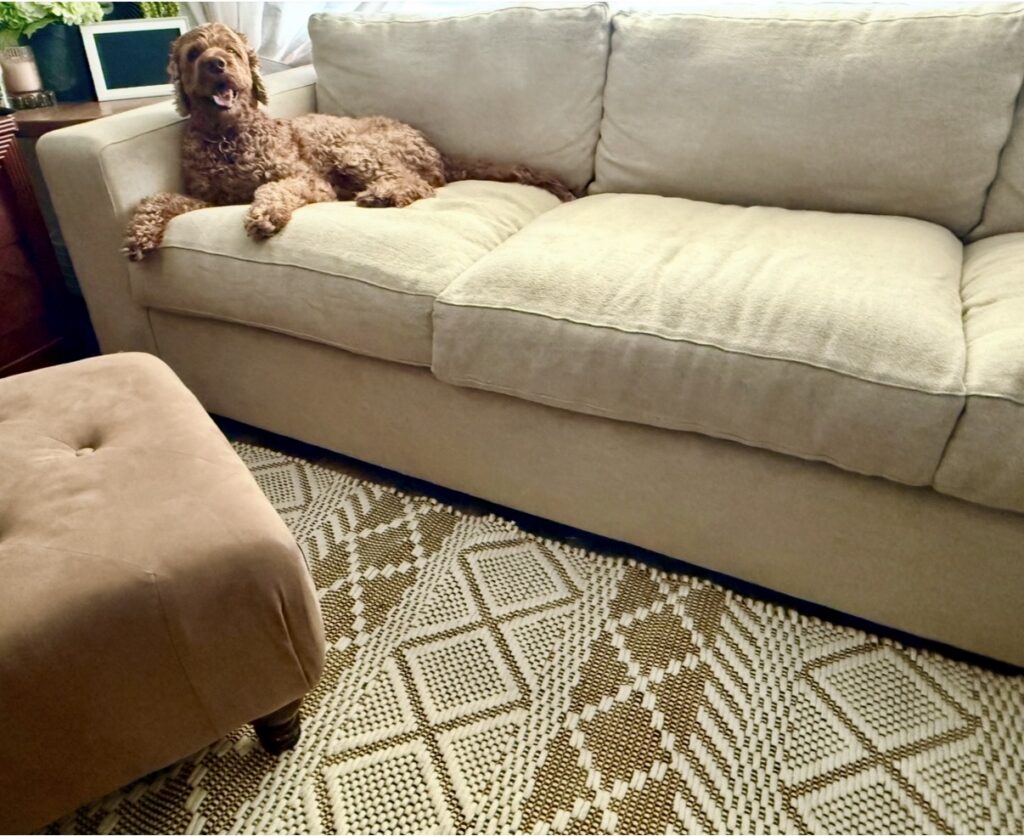
Safavieh sells a dedicated non-toxic, natural fiber rugs through Target, and is the most budget friendly and accessible option on this list. Their natural fiber rugs are made of wool, cotton, jute, sisal and skip pesticides, stain repellents, flame retardants, and insect repellents. I have their 100% wool rug and they’re made without the permethrin treatment a lot of typical wool rugs get for moth-proofing. Safavieh’s synthetic lines are OEKO-TEX Standard 100 certified, but their natural fiber options are the better choice out of the two. I use their Natura 100% Wool Flatweave Rug and it’s on the thinner side but still feels okay underneath my feet.
I tried Loloi Wool Rug
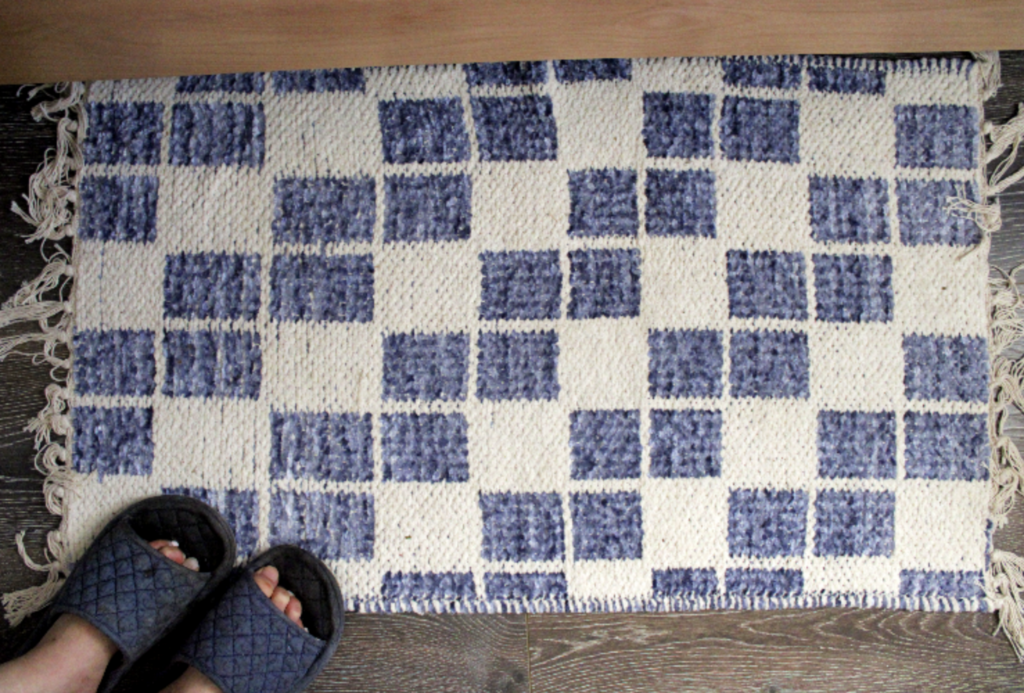
Loloi makes both 100% wool rugs and jute wool blends, using vegetable dyes instead of synthetic dye and no adhesives in the construction at all. Loloi makes a huge range of collections, and not every line is wool or jute, so you have to look for their specific natural fiber collections. I would consider them affordable luxury for 100% natural rugs that aren’t certified non toxic while Safavieh is a true budget option. Not all 100% wool rugs are created equal and Loloi’s wool feels softer and cozier compared to Safavieh’s 100% wool rug.
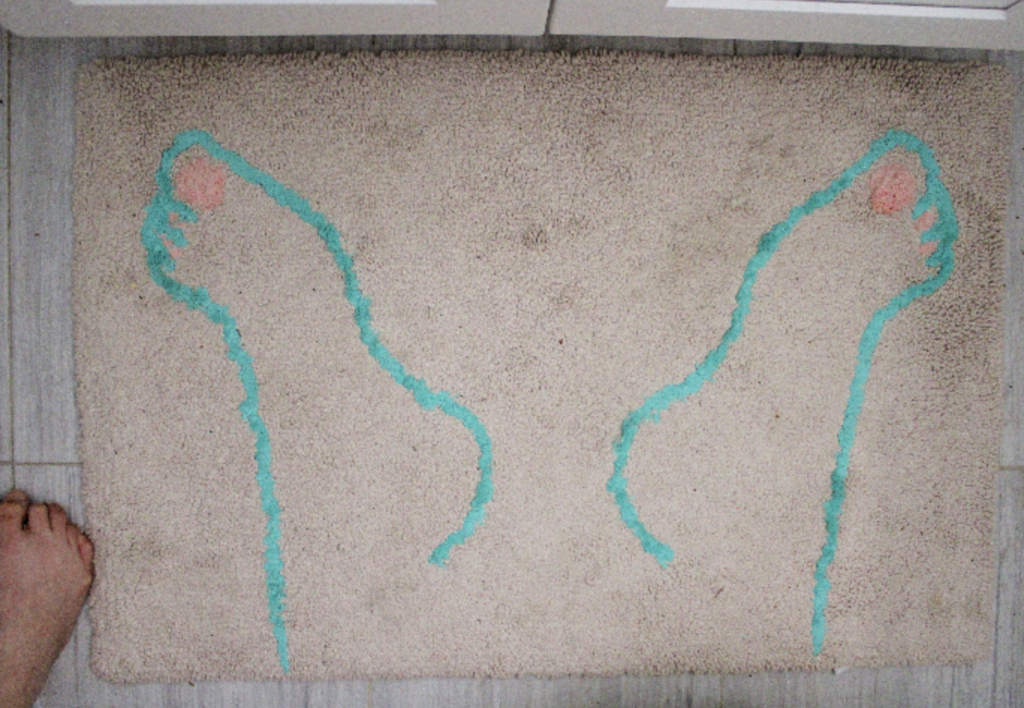
I tried Cold Picnic 100% Organic Cotton Rug
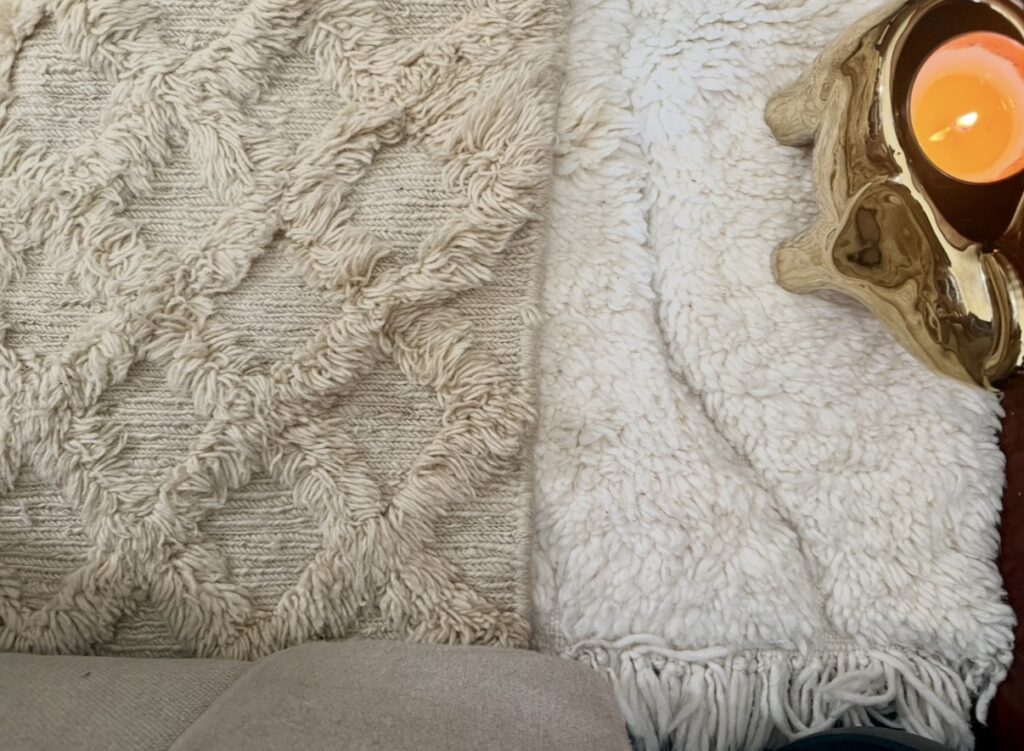
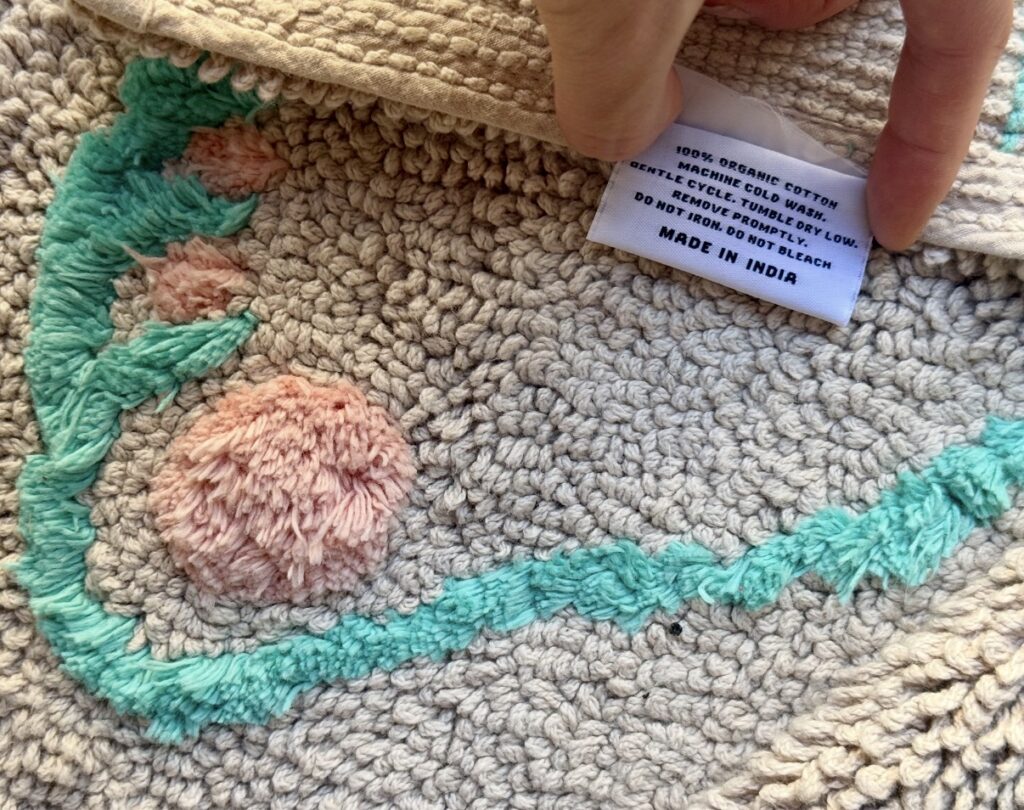
Cold Picnic makes super fun natural and organic rugs without any chemicals, and uses materials like 100% New Zealand Tex wool (the highest quality among wool), bamboo silk viscose, GOTS certified organic cotton and hemp. They’re based in New York with the rugs hand-tufted in India with eco-friendly dyes. Their designs are so eclectic, and I love how soft my organic cotton one feels under my feet! I was surprised that the design elements are 3D (who knew rugs could be fun). It packs down pretty flat after usage.They’re very transparent and don’t use any chemical coatings, and no stain resistant or fire retardant finishes. What sets it apart from a lot of “handmade in India” brands is that the factory itself carries both GoodWeave and Care & Fair certification. These are luxury rugs but prices start surprisingly low, and some rugs are even on sale for around half off.
I tried Hook & Loom EcoLoom Rug
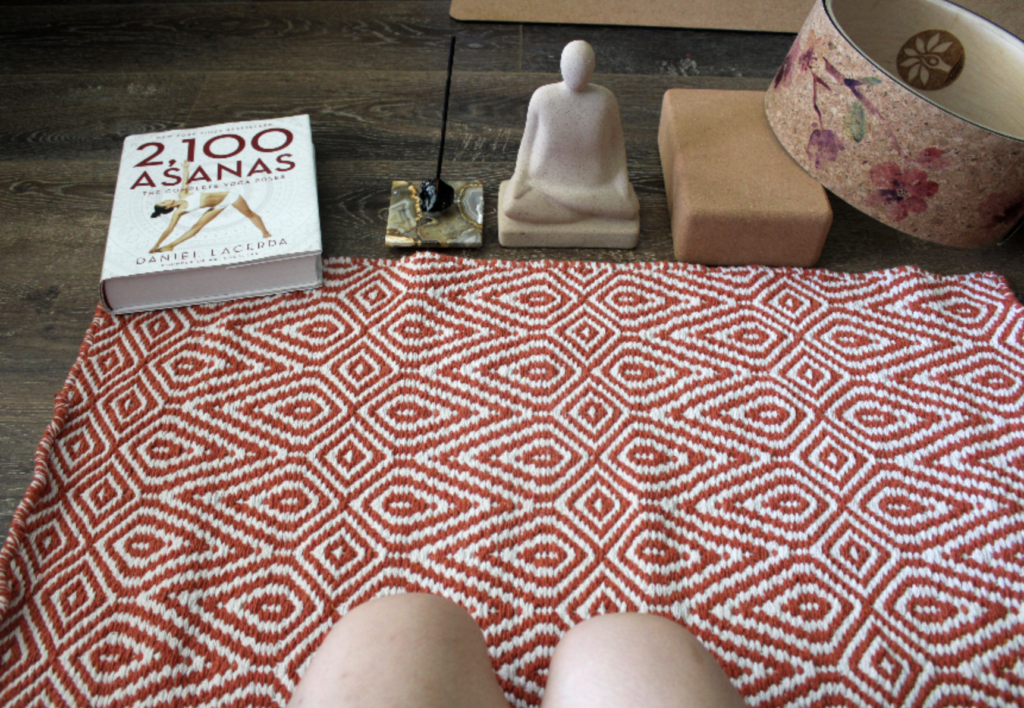
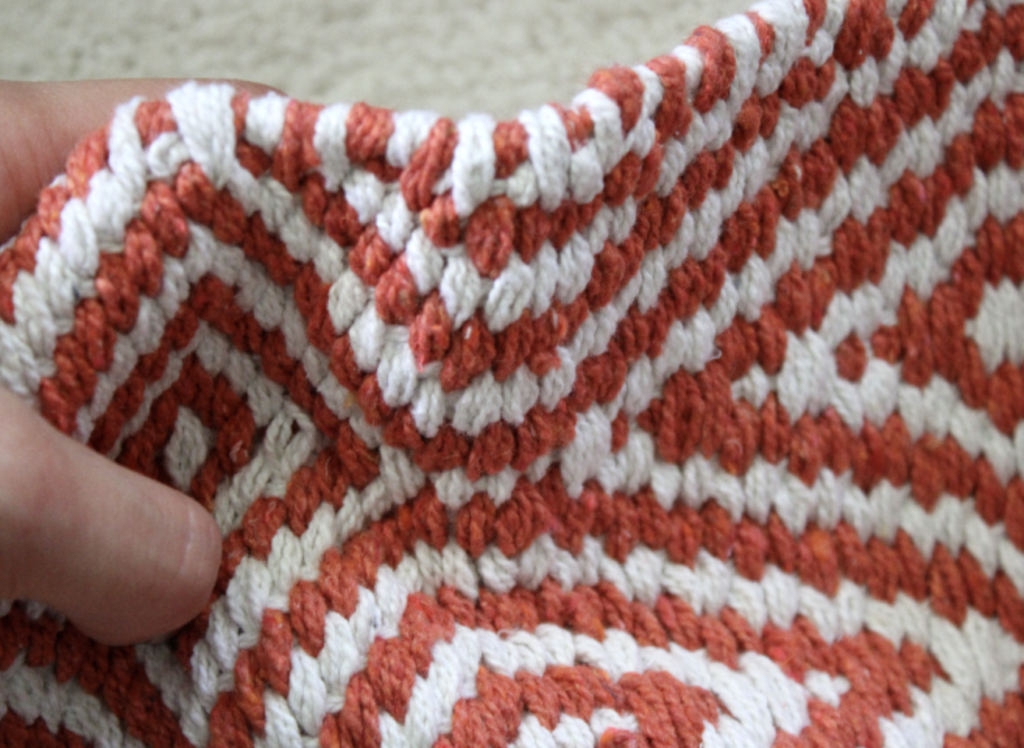
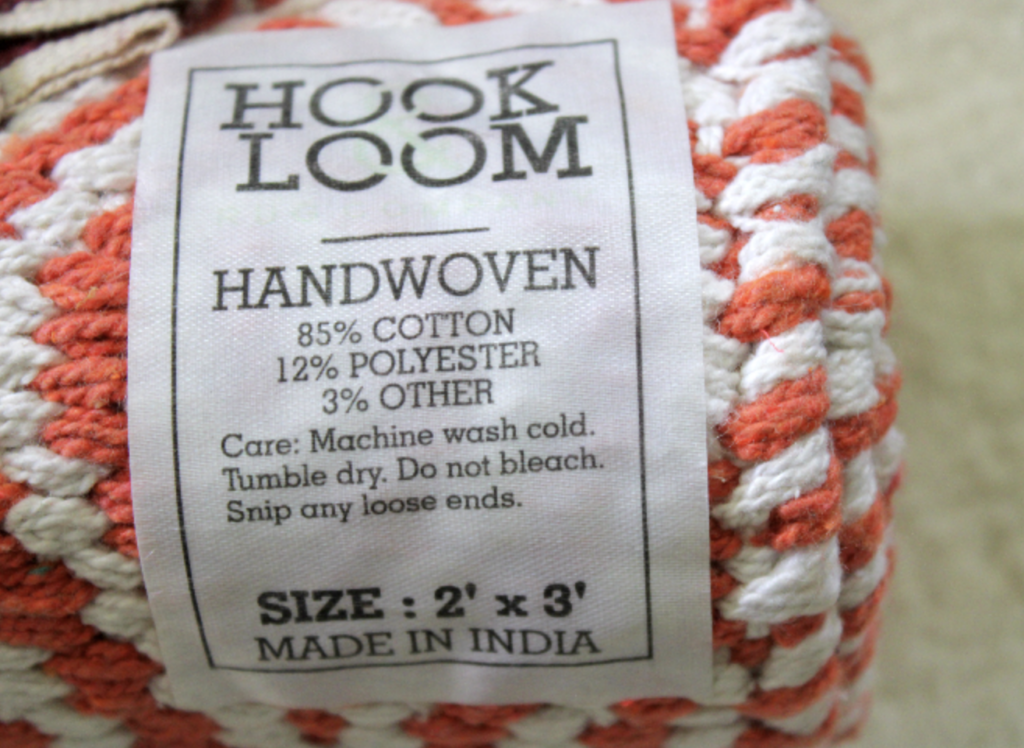
Hook & Loom makes affordable 100% chemical free GOTS-certified organic cotton rugs that are affordable compared to other certified organic rug brands. They also have an Eco Cotton line that’s made from donated recycled textiles so there is some polyester component. However, their rugs are made without chemicals, dyes, or latex, and the finished rug is never sprayed nor treated. The rug is spun from recovered textile fibers into colored yarn and hand-woven on wooden looms. Mine had no weird smells coming out of the container, rolled out flat nicely and just needed some weight on the edges to flatten them out. This is a very low profile rug and needs a rug pad so it doesn’t move around.
I tried Nordic Knots Rug
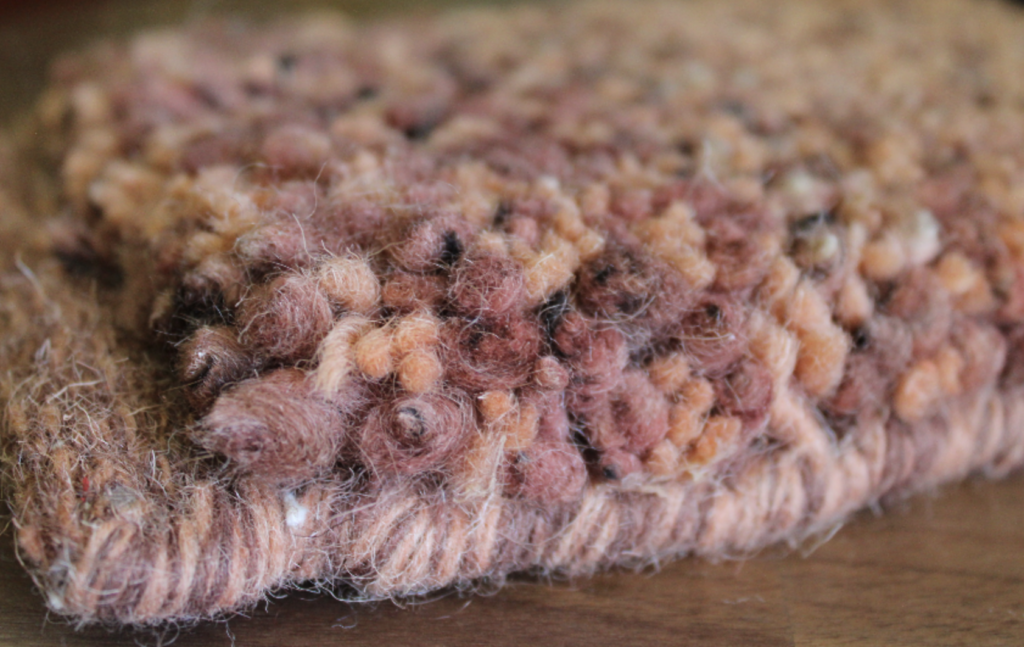
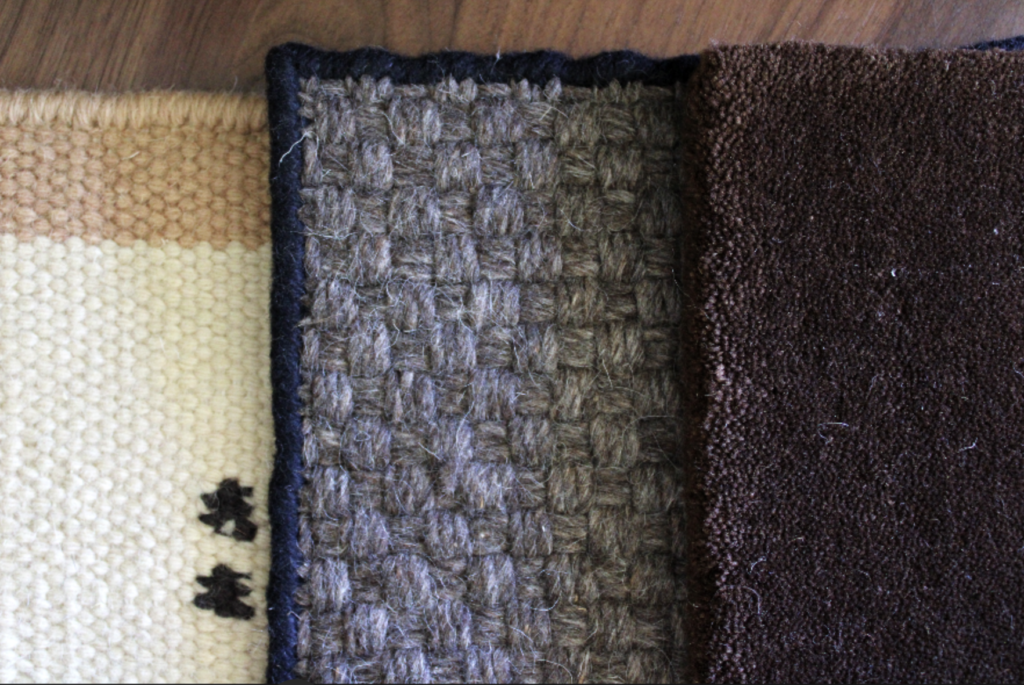
Nordic Knots makes their nontoxic rugs using New Zealand wool, cotton and natural jute, hand-knotted and handwoven by artisans in India and Turkey, with fabrics woven in Italian mills before final construction. They’re GoodWeave certification and are B Corp certified. Their wool rugs typically 5 to 10 years with proper care, while the jute and flatweave styles show signs of wear within 2 to 3 years. I’ve noticed quite a bit of shedding with Nordic Knots’ wool rugs compared to virtually none with Organic Weave and they didn’t feel as nice under my feet. Nordic Knots’ wool texture feels quite a bit firmer and rougher. While the brown shades are absolutely stunning, debris is much more noticeable on them than with lighter colored rugs and the texture of the wool causes debris to stick more easily. Would not recommend going that route if you have a white haired dog that sheds!
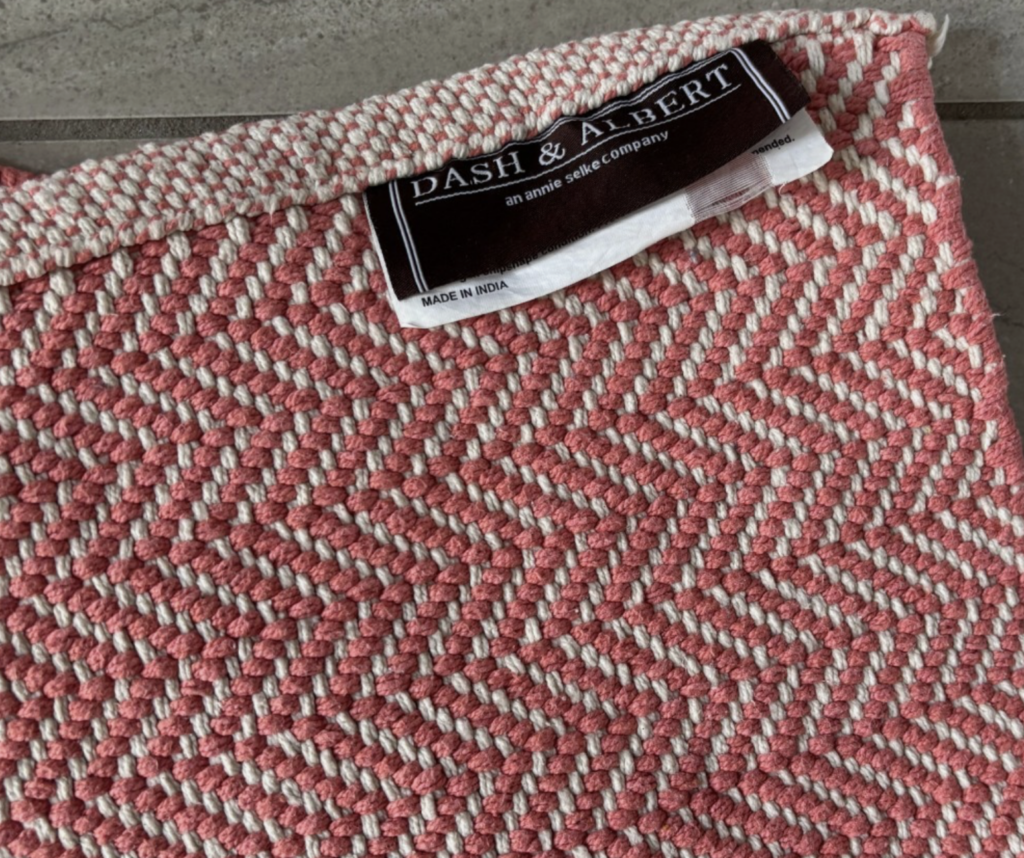
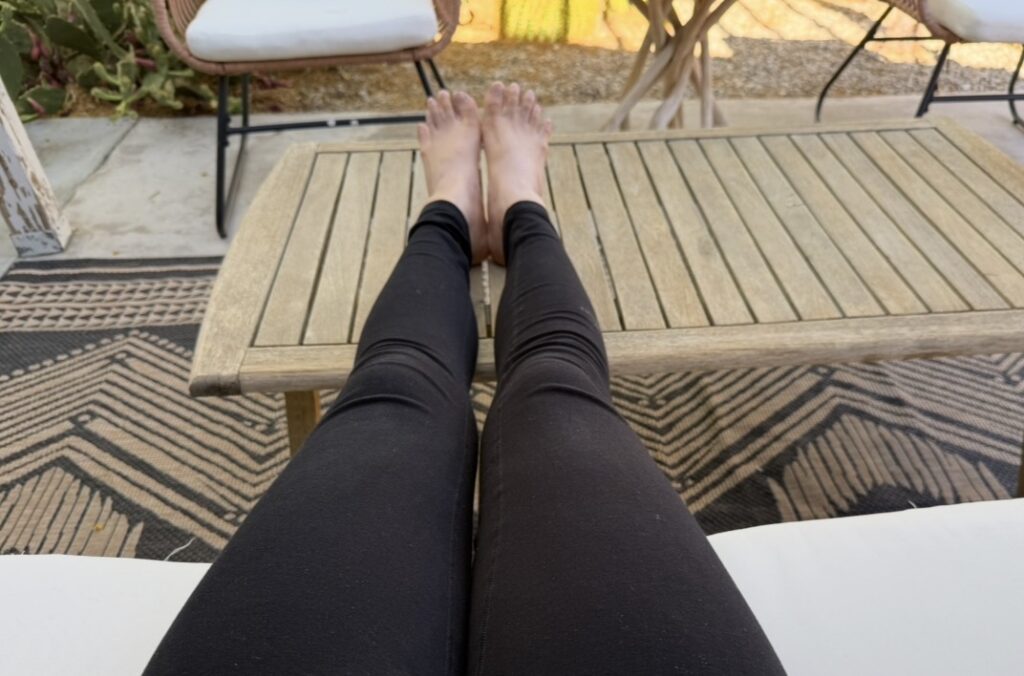
Non Toxic Outdoor Rug: Dash and Albert’s Diamond Woven cotton rug is the only 100% cotton outdoor rug on the market with no synthetic pile or PVC backing, machine washable and easily accessible at Target, Bed Bath & Beyond, Home Depot, Wayfair and Lowes. (best for a covered porch or patio). Safavieh’s Natural Fiber jute collection is a cheaper, fully biodegradable option (best for a covered porch or patio)
Shop Here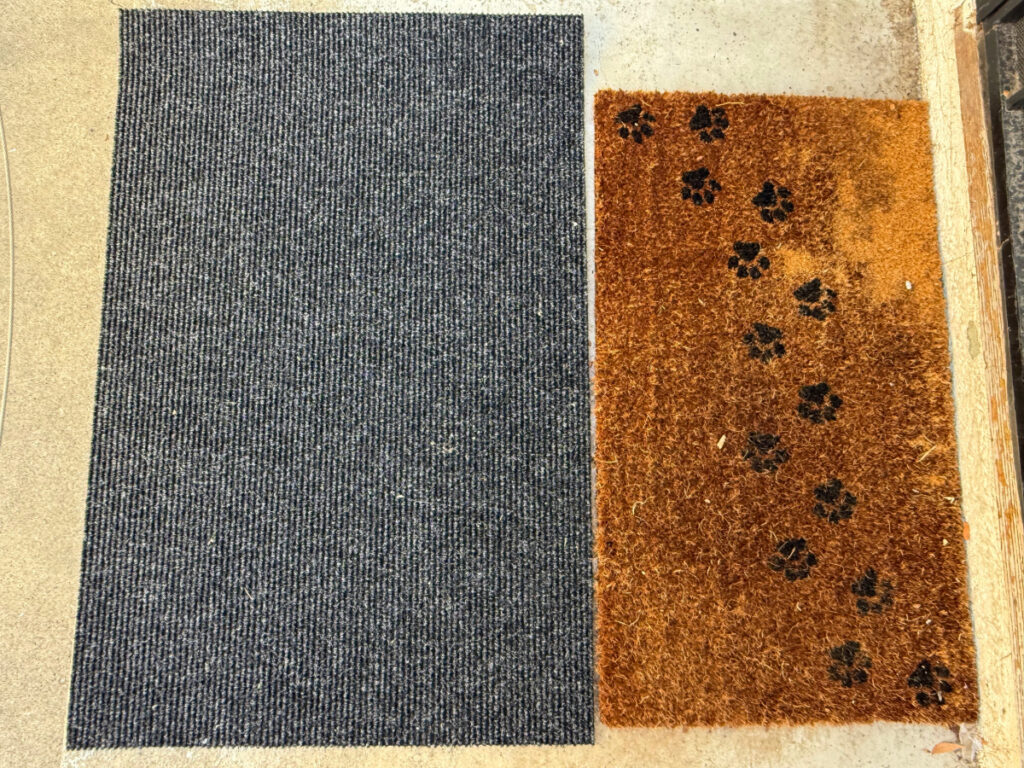
Non Toxic Doormat: Porte + Hall is hands down the best option for a 100% non-toxic doormat. They’re very stunning in person, generous in size and made with recycled/recyclable ECO+ rubber, it’s CRI Green Label Plus certified, and it’s Prop 65 tested with confirmed no phthalates, heavy metals, or formaldehyde with the actual test results available on their site. I love how it’s truly low pile and fits well under my door with any annoying colliding and actually looks nice. Love using it for the patio and garage
As for a non toxic kitchen mat, the only good option I found is Gracie Oaks Luxurious Woven Cotton Cushioned Kitchen Mat Runner Rug (anti fatigue and anti skid) because most are made with foam.
Shop Here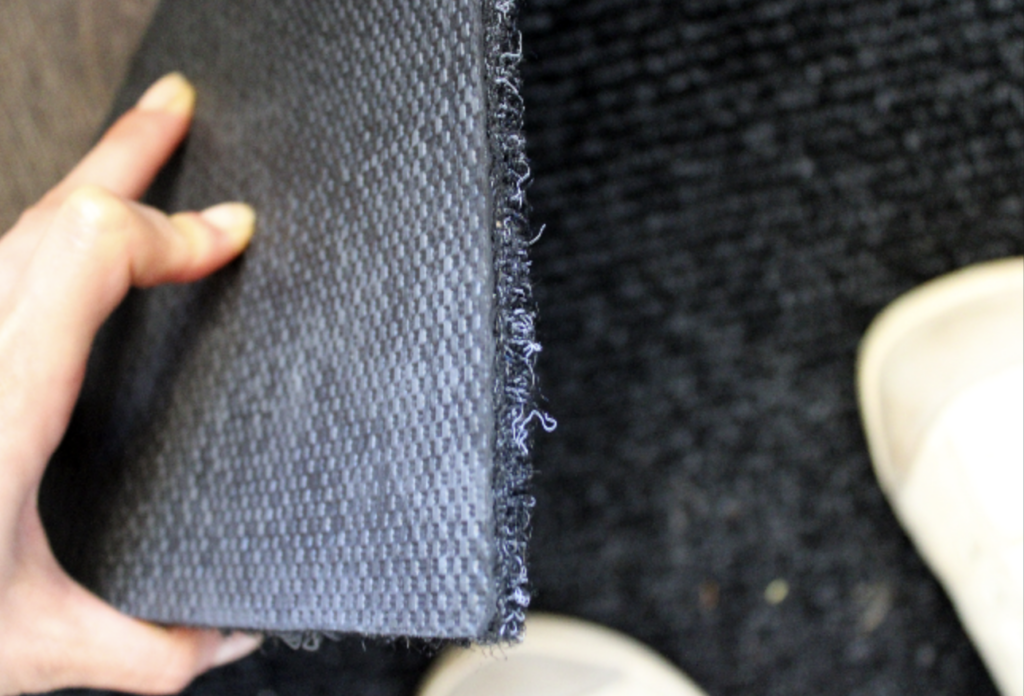
Non Toxic Rugs and Play Mat for Nurseries and Kids
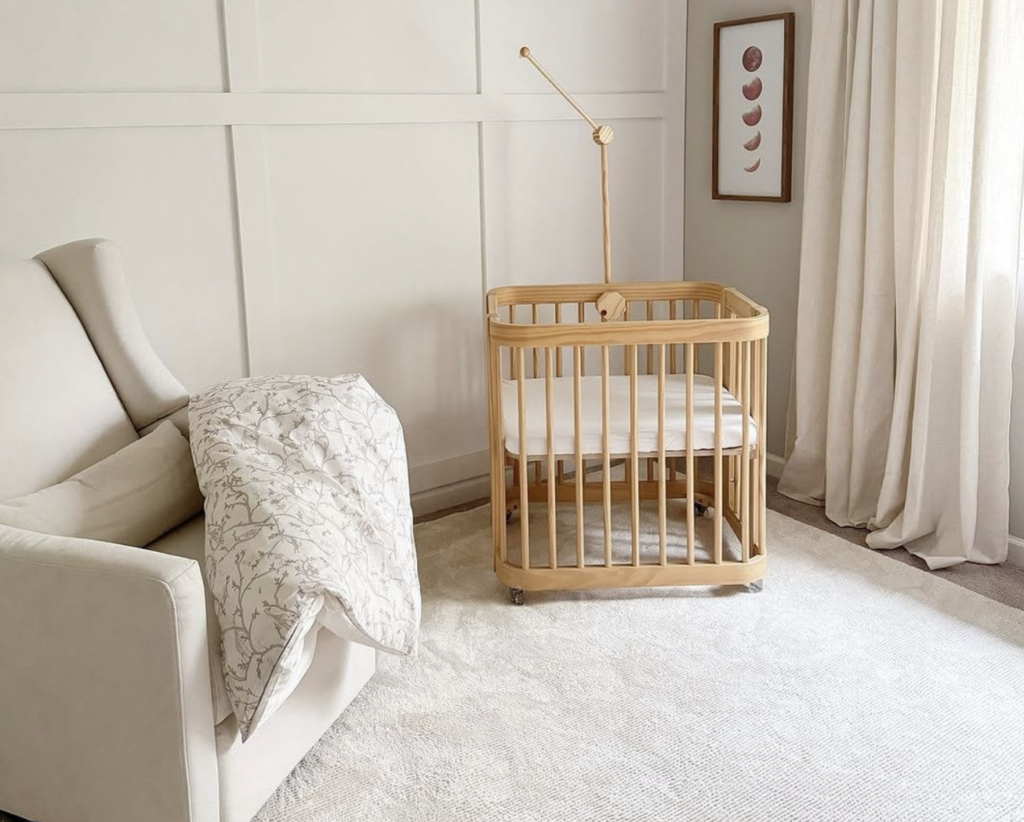
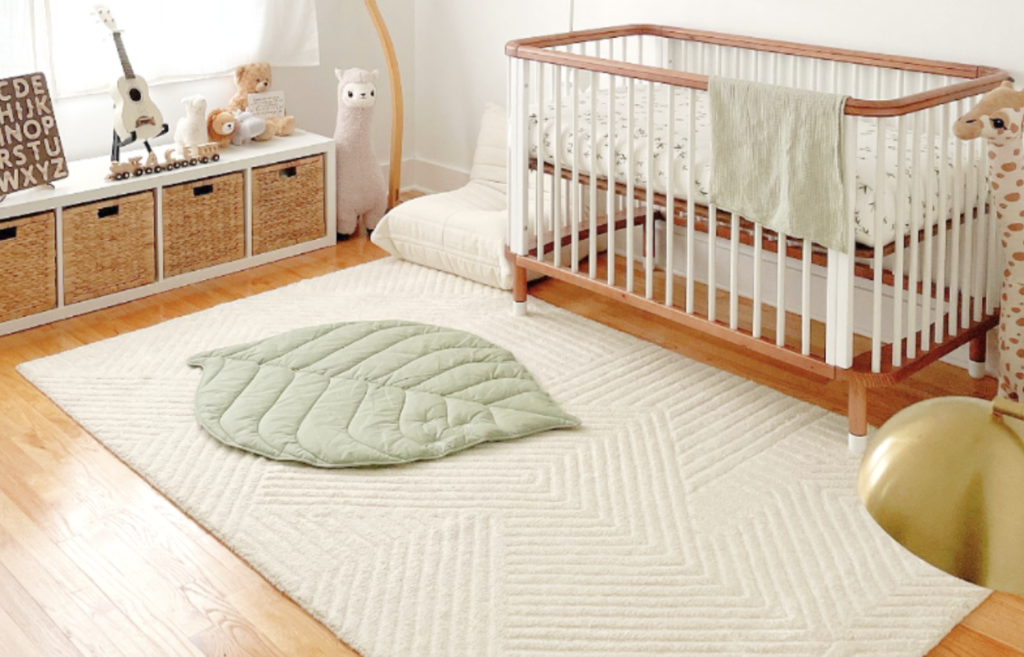
- Nestig: makes 100% organic cotton rugs and play rugs with non-toxic dyes, handmade by artisans in Brazil for baby nurseries or kids bedrooms.
- Willaby: makes rugs from 100% GOTS-certified organic cotton gauze, free of flame retardants and other chemical treatments, running $64–$570 depending on size. Machine washable.
- Lorena Canals: GOTS-certified organic cotton play mats that are easily accessible at Pottery Barn
- Sage & Wild: makes nursery and kids’ rugs and play rugs from GOTS-certified organic cotton and RWS-certified wool, produced without flame retardants or pesticides, running $195–$599. Machine washable.
- Rugs By Roo (Tuft Love): makes rugs that are both GOTS and GoodWeave certified, produced without child or bonded labor, in neutral, polka dot, and grey colorways. Machine washable.
More Non Toxic Rugs
- LOOMY: Makes natural, pet friendly and vegan rugs that are sourced directly from Indigenous artisans who use wool, jute, cotton, hemp, sisal.
- Sabai The Field Rug: Sabai is a non toxic furniture brand that also makes just one rug made with 53% wool and 47% jute made in the USA with mulesing-free wool sourced from the UK and New Zealand and sustainably harvested jute.
- Ferm Living: makes Scandinavian designed natural rugs from cotton, wool, and jute, with part of the range GOTS-certified handmade in Bhadohi, India.
- Revival Rugs: makes both one-of-a-kind vintage handwoven rugs from Turkey and Morocco and in-house Studio Revival designs from wool, recycled cotton and denim, recycled polyester, and carbon-neutral jute, sourced through weavers holding OEKO-TEX, GoodWeave, Craftmark, and Global Recycled Standard certifications (machine washable)
- Jubi: makes made-to-order rugs from 100% New Zealand wool, handcrafted by artisans in Bhadohi, India
Got Questions?
Frequently Asked Questions About Natural Rug Care
How often should I vacuum a natural fiber rug?
About once a week for most rooms, and two or three times a week in high-traffic areas like entryways and hallways. Grit that settles into the weave acts like sandpaper on the fibers, so regular vacuuming is the single best thing you can do to extend a rug’s life. For jute, sisal, and seagrass, use suction only or turn off the beater bar, since a spinning brush can pull and fray the fibers. Vacuuming both sides a few times a year also helps dislodge dirt that sifts through the weave.
Can I clean a jute or sisal rug with water?
Use as little water as possible. Plant fibers like jute, sisal, and seagrass absorb moisture quickly, which can cause brown water stains, shrinking, warping, or even mildew. Never steam clean or shampoo them. Instead, use a dry cleaning powder made for natural fibers, or lightly dab a small spot with a barely damp cloth and dry it fast with a fan or hair dryer on a cool setting. Wool and cotton rugs are much more tolerant of careful wet cleaning.
What’s the right way to handle a spill?
Act fast and blot, don’t rub. Press a clean, dry white cloth or paper towel onto the spill to soak up as much liquid as possible, working from the outside edge toward the center so it doesn’t spread. Rubbing pushes the stain deeper and roughens the fibers. For solids, gently scrape them up with a dull knife or spoon first. On wool, a small amount of wool-safe, pH-neutral cleaner diluted in water usually lifts what’s left; on plant fibers, stick to a dry method.
Is it normal for a new wool rug to shed?
Yes. New wool rugs, especially hand-tufted ones, release loose fibers left over from manufacturing. It’s not a sign of poor quality and usually tapers off within a few months of regular vacuuming. Avoid pulling at loose strands that poke above the pile; snip them level with scissors instead so you don’t unravel the weave.
Do natural rugs need a rug pad?
A good pad is worth it. It keeps the rug from slipping, reduces friction that wears fibers from underneath, adds cushioning to thin flatweaves like jute, and lets air circulate between the rug and the floor. If you’re aiming for a low-chemical home, look for felt or natural rubber pads rather than PVC, which can off-gas and may react with some floor finishes.
How do I keep my rug from fading or wearing unevenly?
Rotate it every 6 to 12 months so foot traffic and sunlight are spread evenly. Natural dyes and undyed plant fibers can lighten or yellow in direct sun, so curtains, blinds, or UV-filtering window film help in bright rooms. Furniture coasters or cups under heavy legs also prevent permanent dents and crushed pile.
How often should a natural rug be professionally cleaned?
For wool rugs, every 12 to 24 months is a good rule of thumb, or sooner in homes with pets or kids. Choose a cleaner that specializes in natural fibers and ask what products and methods they use, since harsh chemicals and high heat can damage wool and set stains. Jute, sisal, and seagrass rarely benefit from wet professional cleaning; ask specifically for a dry or low-moisture method.
How do I protect a wool rug from moths?
Clothes moths are drawn to undisturbed, soiled wool, so regular vacuuming (including under furniture and along the edges) is the best prevention. If you store a rug, clean it first, roll it rather than fold it, and wrap it in breathable cotton or muslin instead of plastic, which traps moisture. Cedar blocks can help deter moths without the harsh chemicals found in traditional mothballs.
Related posts:

Andrea is a clean beauty expert born in Los Angeles, California with 10 years of experience in natural skincare and organic living. She writes for Organic Beauty Lover using her expertise to guide readers in choosing the best natural products. Andrea graduated from the University of Southern California’s Marshall School of Business and has worked at NBC Universal, Four Seasons Hotels and Resorts, and The Travel Corporation while freelancing for small businesses. As a multi-citizen, she considers herself a global citizen of the world, belonging nowhere and everywhere, and has lived across Europe, US, Asia and South America. She currently resides in Orange County since 2026 and loves yoga, coffee and exploring the desert. Connect with her @organicbeautylover.
JOIN OUR NEWSLETTER! No spam ever.








Leave a Reply