
I bought and tested non toxic yoga mats, and I’m sharing the best one. The best non-toxic yoga mat is made with natural rubber or cork and without harmful chemicals, PVC, polyurethane, plasticizers, phthalates, PER, and TPE.
For those who want to cut to the chase the best non toxic yoga mat is Ananday Cork Yoga Mat, the best travel yoga mat is Manduka SuperLite and the best non toxic yoga block and wheel is Yoloha Yoga.
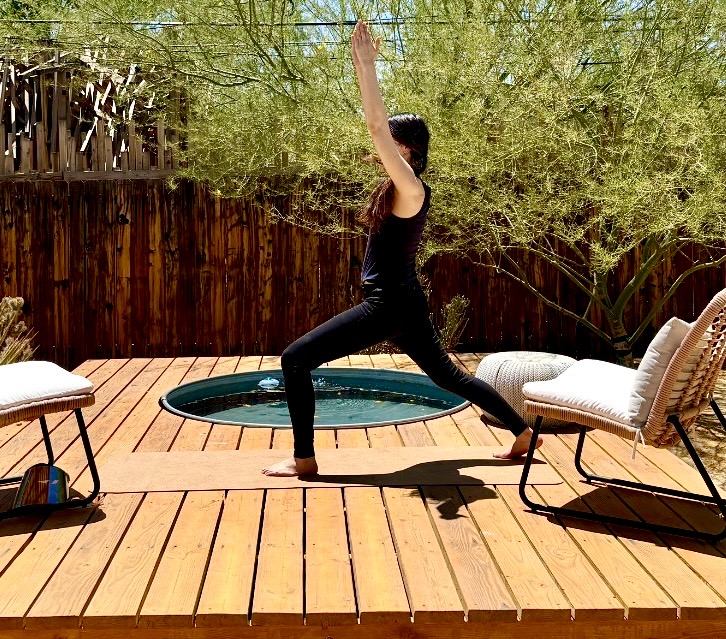
Table of Contents
Why Choose a Non Toxic Yoga Mat
Whether you’re using it as a regular workout mat, our heated sweaty bodies come into direct contact with the mat frequently. There’s so many reasons to use a plastic free yoga mat.
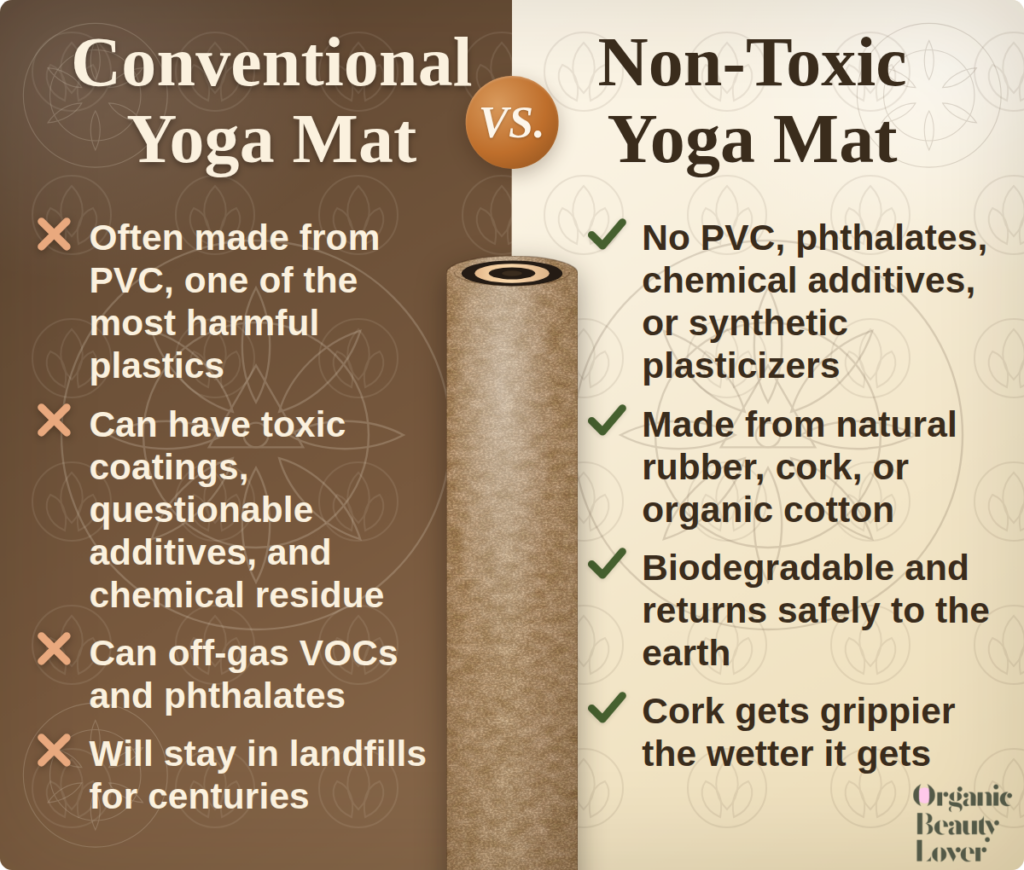
- Healthier and eco-friendly: Nontoxic yoga mats are free of PVC, phthalates, and other synthetic chemicals. Instead they’re made of materials like natural rubber, cork or GOTS-certified cotton that are biodegradable.
- Better for sensitive skin: No synthetic coatings, questionable additives and chemical residues that can cause skin irritation. I can place forehead to mat with peace of mind throughout my flow.
- Longer lasting and more durable: Natural rubber and cork hold up to heavy use without breaking down or flaking the way cheap foam mats do.
- Naturally antibacterial: Materials like cork and natural rubber resist bacteria and odor buildup on their own without added chemical treatments
- Better grip: Cork actually gets grippier the wetter it gets, so there’s no slipping or falling out of poses. If you think you’re bad at yoga because you keep slipping out of positions, it might just be your yoga mat’s fault! For advanced yogis doing long hold poses that require lots of traction, this is a must for safety.
- No gross chemical smell: Synthetic foam and PVC mats have an off-gassing odor that’s very distracting when I’m trying to breathe deeply and quiet my mind’s chatter.
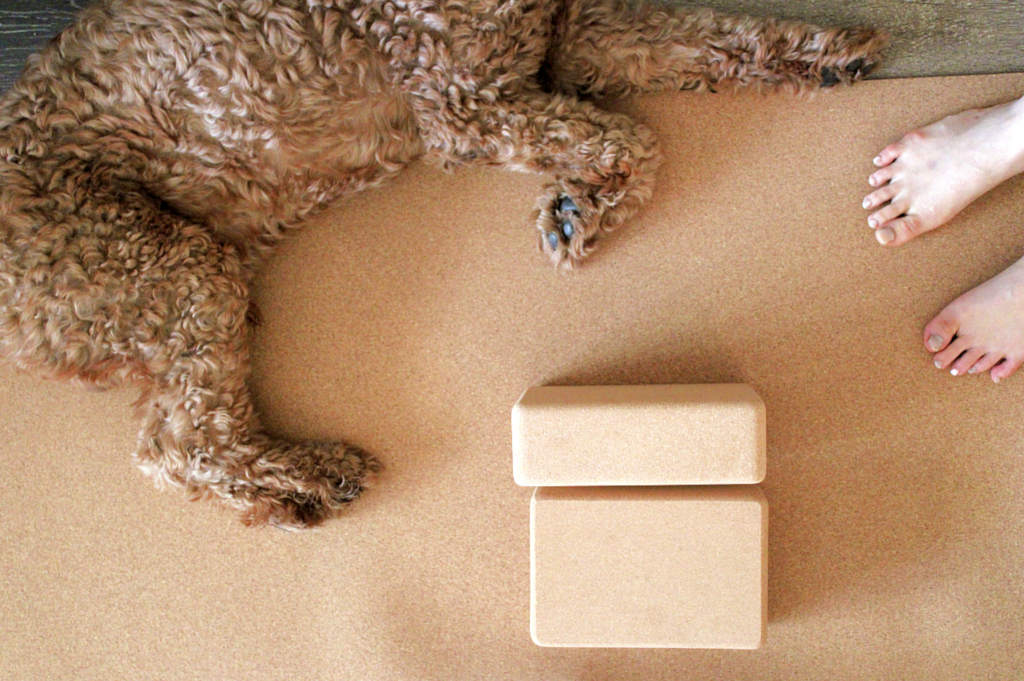
- Safe for my dog: he’s always joining me on the mat home, so I feel better as a dog mom making this choice for him too.
- For my fellow yogis, the first yama in yoga is Ahimsa, which as you know means non-violence or non-harming and a non toxic yoga mat is not harming your body, not harming the earth, and won’t sit in a landfill leaching plastic for centuries.
What to Avoid
Most yoga mats are made with harmful and synthetic materials. Even many of the “natural rubber mats” you’ll find on the web are actually greenwashing because they’re made mostly of PVC with just a small amount of said natural material (sharing which ones further below).

Your typical yoga mat can contain:
- PVC (polyvinyl chloride): You might see PVC just labeled as “vinyl” and it’s the most common and harmful material used in conventional yoga mats. PVC can contain chlorine, heavy metal stabilizers like lead and cadmium, phthalates, PFAS, BPA and formaldehyde. PVC mats also off-gas that new chemical-y mat smell, which is no bueno and means volatile organic compounds (VOCs) and polycyclic aromatic hydrocarbons (PAHs) are evaporating. These types of workout mats don’t biodegrade at the end of its life.
- Toxic glues: since yoga mats are subjected to heat, the safety of their adhesives is incredibly important to prevent chemical off-gassing.
- Polyurethane (PU) coatings: the “foam” used in non-slip budget mats and is a petrochemical-based polymer that off-gases VOCs, is inherently highly flammable, usually treated with flame retardants, and doesn’t biodegrade.
- ADA (Azodicarbonamide): gives plastics a foamy, spongier texture aka the nice springy cushiony feel of typical yoga mats (became popular in the 80s since the foamed structure grips smooth studio floors well). It’s the “yoga mat chemical” that Subway came under fire for and had to remove from their bread, with McDonald’s, Wendy’s, and Chick-fil-A all following suit.
- PER (Polymer Environmental Resin): a less toxic option but still a plastic derived from PVC. Skip if you’re looking for a genuinely non-toxic mat.
- TPE (thermoplastic elastomer): often marketed as “eco” but is still a synthetic plastic blend, commonly linked to phthalates and off-gassing VOCs. This is better than your typical yoga mat, but not the best option out there.
- Phthalates: chemical plasticizers added to soften synthetic mats, tied to hormone disruption with prolonged skin contact
- Azo dyes: harmful synthetic dyes that can break down into carcinogenic compounds. Look for OEKO-TEX certification to confirm a mat’s dyes were screened for these.
- Synthetic rubber sold as “natural”: some budget mats blend in SBR (styrene-butadiene rubber) which is derived from petroleum.

Materials Used in Nontoxic Yoga Mats
- Natural rubber: most common non-toxic material used that’s grippy and cushiony. Avoid if you have a latex allergy.
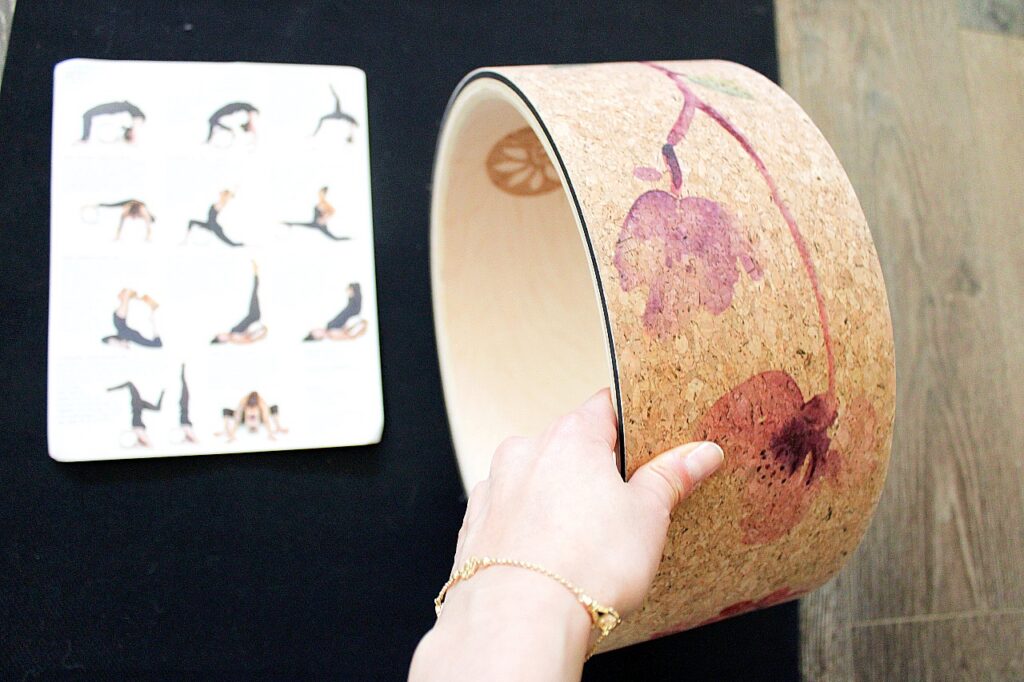
- Cork: Cork is the most sustainable option because it’s harvested from living cork oak bark without killing the tree, and cork mats are naturally antimicrobial, more durable and biodegradable. It also gets grippier the more you sweat so there’s no slipping during yoga poses. Cork feels non-slip to me!
- Natural latex: a rubber-based material processed into a denser base layer. The best ones are GOLS certified. Avoid if you have a latex allergy.
- Organic cotton: natural fibers that are great for anyone with a rubber sensitivity but don’t have the same cushion or grip. This is great for yoga rugs and blankets, but I only like using this for restorative yoga, yin yoga, slow flows or beach yoga. Not something I’d trust for pincha pose.
- Jute: choose 100% jute. A lot of jute mats are blended with PER
- Hemp: another great natural fiber yoga mat but without the grip and cushion you might need. Also best for yin yoga or yoga on the beach.
- Sugarcane-based bio-foam: a plant-derived alternative to petroleum foam, used as a base layer under materials like cork
- Wool felt: sometimes used as a backing layer on handwoven cotton mats, for grip and cushioning

My Top Pick: Ananday Yoga Mat
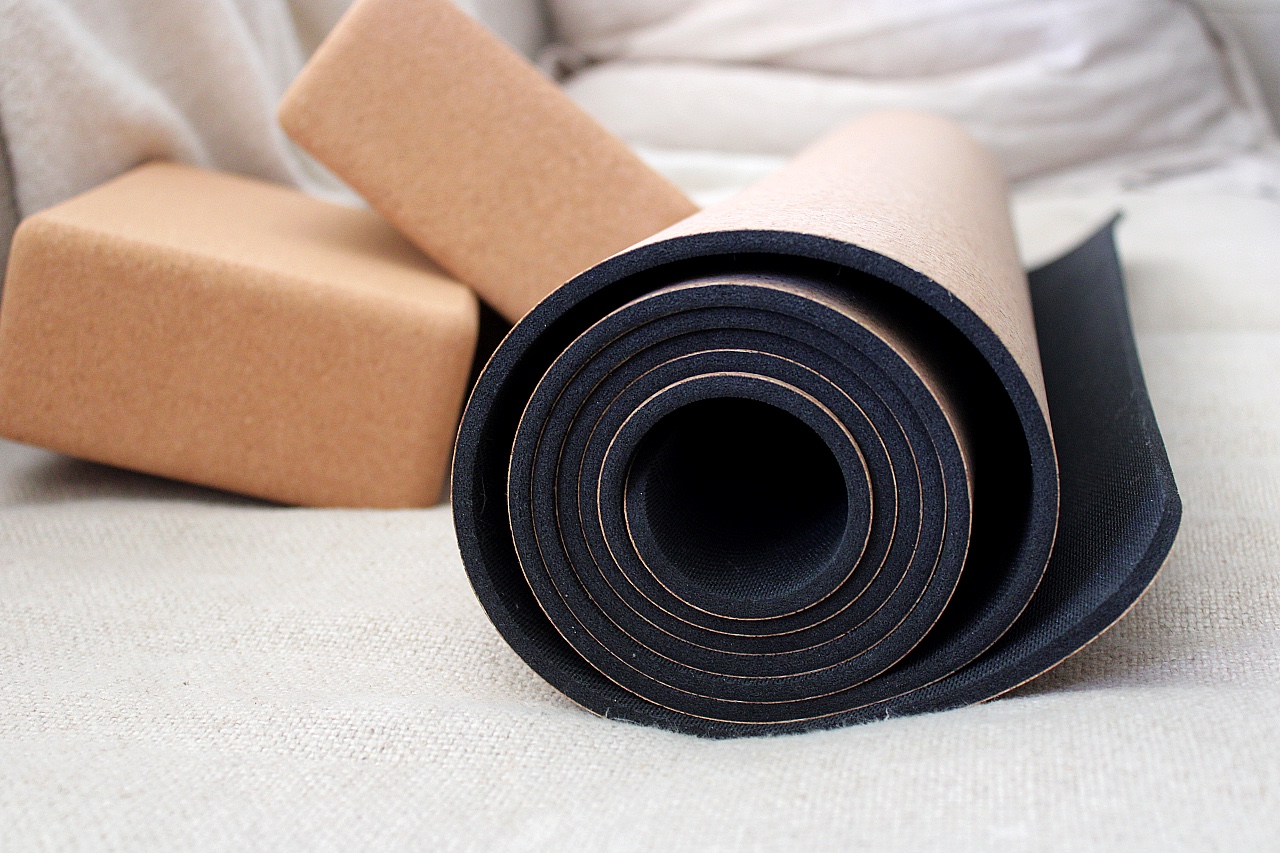
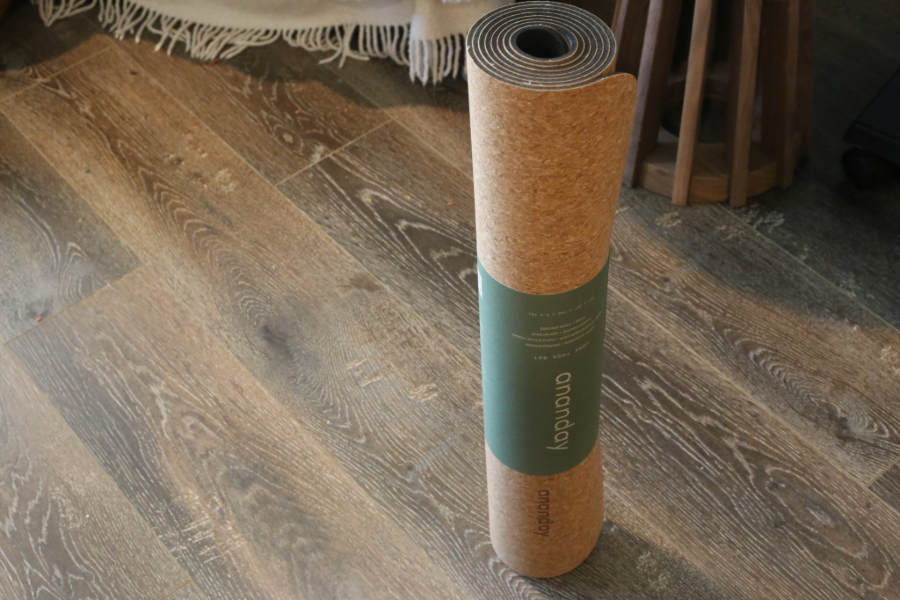
Ananday’s yoga mat is 100% plastic free and chemical free with a 100% plant-based cork top and natural tree rubber base that’s bound by high-temperature pressure without any glues, binders or dyes. I bought mine during my 200-hour yoga teacher training and wish I had swapped out my plastic mat sooner. It’s just as grippy, non-slip, stable, and supportive as a conventional workout mat. Even through sweaty dynamic practices, I don’t slip and slide – and I actually feel good about my skin touching this mat. They’re also woman owned, Climate Neutral Certified and B Corp certified!
Grip Performance: for me both the dry grip and wet grip performance is fantastic and I don’t even need a mat towel during hot yoga. I love that cork gets grippier with sweat instead of slipperier, which is the most annoying thing to deal with when using a workout mat. I personally prefer using the cork side most of the time, but it’s also reversible to the rubber side for extra traction.


Cushion and Support: 4mm may not be as thick as the cushiony foam workout mats you might be used to, but you don’t actually want yoga mats that are too cushioned because they’re more prone to slipping and sliding and you want to feel connected to the ground. I find that it’s adequately thick to provide support and doesn’t compress underneath me like the cheap foam mats would. My wrists and knees feel supported when I’m holding long poses, but if you find your wrists hurt sustainable cork yoga blocks are SO helpful.
Stability: The mat rolls out completely flat and actually stays put throughout my flow, whether I’m doing hatha, vinyasa, restorative yin yoga, pilates, yogilates or a hot yoga class. The natural rubber side is excellent and staying flat and doesn’t shift, bunch, or curl up at the edges during practice. It’s worth the investment in my opinion. I’ve gone through cheap Amazon plastic foam mats and they don’t stay flat, shift around as you move and curl up at the ends.
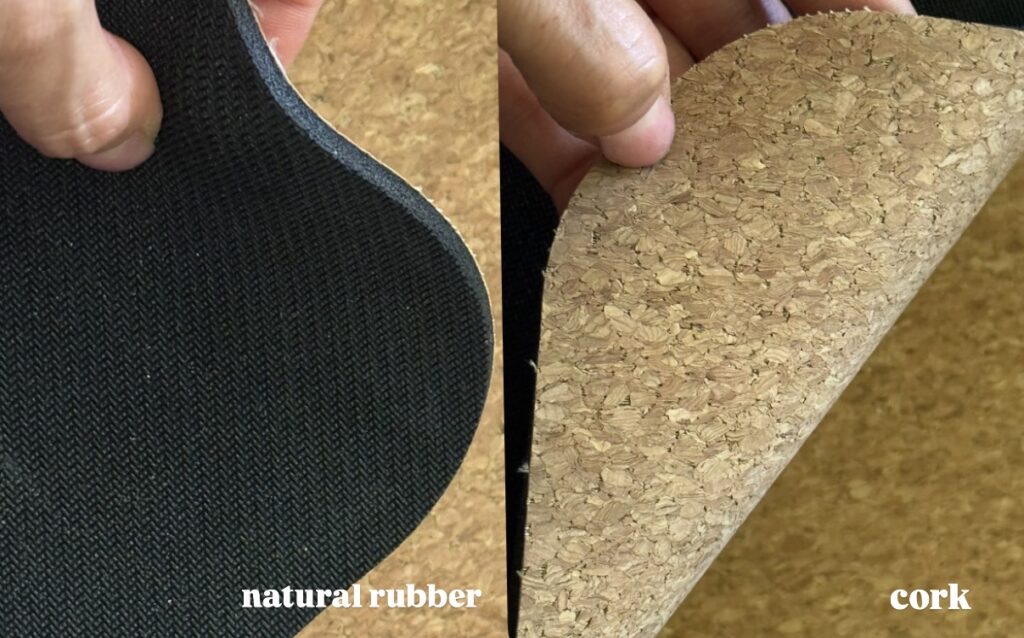
Texture and Feel: I found the cork side is perfectly smooth even though it doesn’t look like it at first glance! The bottom natural rubber side has ridges and texture, which gives it that great grip and traction. I noticed the rubber side clings onto dust particles more easily but not anymore than conventional mats.
Size and Weight: The mat is 5.4 lbs and 72″ x 24″ with adequate space for all types of mat workouts. I like that it’s longer than most workout mats I’ve tried.
Smell: no off-gassing or strange odors, yay! My Lululemon STILL has a subtle plasticy smell that won’t go away years later, while my Ananday mat doesn’t give off any smell.
Besides performance, this mat is just so gorgeous and I’ve gotten quite a few compliments. At home, I love bringing the natural elements into my practice, whether it’s through my mat, props or scents like authentic incense. If you’re looking for non toxic yoga props, Yoloha Yoga makes the best cork yoga blocks and yoga wheel hands down. They’ve totally transformed the way I practice at home. I love their dense, beautiful and high quality props and I even have their plastic free water bottle. Now if only I could find a good swap for my yoga swing!
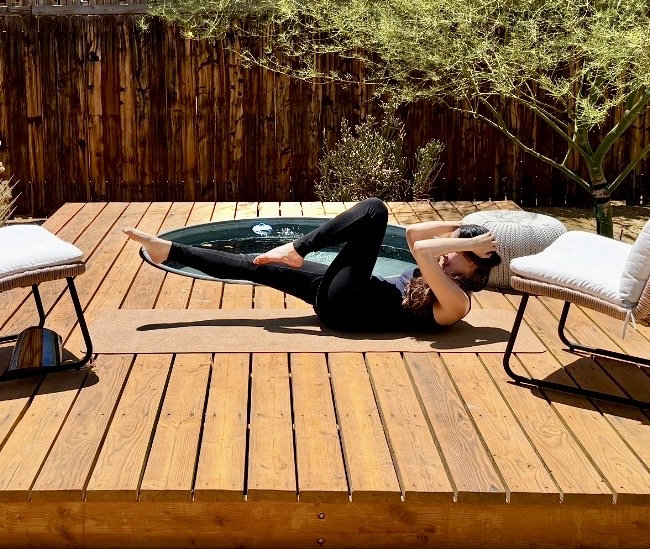
Cleaning: I wipe mine down after every practice, and I actually don’t use water on it directly, since water that pools on the cork can cause bubbling under the surface over time. Instead I spray it with a natural yoga mat cleaner (a simple witch hazel and tea tree essential oil mix works great, and either lay it flat or hang it to dry before rolling it back up. I clean mine about once a week, more often after a sweatier hot yoga class. When I do roll it up, I always roll it loosely rather than folding it, since folding is what actually creases and cracks a cork mat over time.
Shop Hereuse ORGANICBEAUTYLOVER for 20% off
Related posts:
Andrea is a clean beauty expert from Los Angeles, California with 10 years of experience in natural skincare and organic living. She writes for Organic Beauty Lover using her expertise to guide readers in choosing the best clean products. Andrea graduated from the University of Southern California in 2012 and has worked at multiple skincare companies, big and small. Connect with her @organicbeautylover.
JOIN OUR NEWSLETTER! No spam ever.








Leave a Reply